Summary
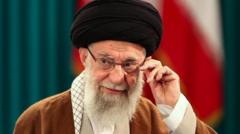
Ayatollah Ali Khamenei continues to maintain a firm hold on power in Iran by rejecting calls for political and social reform. Despite years of internal protests and pressure from the international community, the Supreme Leader has doubled down on hardline policies. This approach ensures that the current power structure remains unchanged, even as the public asks for more freedom. By keeping a tight grip on the government, Khamenei is signaling that the country will not move toward a more moderate path anytime soon.
Main Impact
The decision to stick with hardline rules has a major impact on Iran’s political future. It effectively shuts out moderate voices and prevents any significant change in how the country is run. This stance has led to a government that is more unified in its views but also more disconnected from the younger generation. For the people of Iran, this means that the strict laws governing daily life and the economy are likely to stay in place, regardless of public opinion.
Key Details
What Happened
In recent years, Iran has seen several waves of public demonstrations. Many citizens have asked for better economic conditions and more personal rights. Instead of meeting these demands with reform, Ayatollah Khamenei has used his authority to strengthen the existing system. He has supported the security forces in their efforts to stop dissent and has praised the government for staying true to the original goals of the 1979 revolution. By doing this, he has made it clear that the state will not change its core values to please critics.
Important Numbers and Facts
Ayatollah Khamenei has been the Supreme Leader since 1989, making him one of the longest-serving leaders in the Middle East. Under his rule, the Guardian Council, which he oversees, has the power to decide who can run for office. In the most recent elections, hundreds of moderate candidates were barred from running. This ensured that hardliners won the majority of seats in the government. Additionally, the military and the media are under his direct or indirect control, giving him the final say on all major national issues.
Background and Context
To understand the current situation, it is important to know how the Iranian government works. The Supreme Leader is the highest authority in the land. He is not just a religious figure but also the commander-in-chief of the armed forces. While there is a president and a parliament, they must follow the guidelines set by the Supreme Leader. Over the last few decades, there has been a constant struggle between those who want to open Iran to the world and those who want to keep it isolated and traditional. Khamenei has consistently sided with the traditionalists to maintain stability and control.
Public or Industry Reaction
The reaction to this hardline stance is deeply divided. Within the ruling elite, many believe that being tough is the only way to protect the country from foreign influence. They argue that reform would lead to weakness and allow outside nations to interfere in Iranian affairs. However, many citizens, especially the youth, feel a sense of frustration. They see a gap between their desires for a modern life and the strict rules of the state. Internationally, many countries have expressed concern over the lack of political competition and the treatment of those who speak out against the government.
What This Means Going Forward
Moving forward, the focus on hardline policies suggests that Iran will remain on its current path. There is little sign that the leadership will offer any major concessions to those seeking reform. This could lead to more tension between the government and the public in the future. On the global stage, this means that negotiations with other countries may remain difficult, as the Iranian leadership is unlikely to change its core positions. The world will be watching to see how the government handles the growing economic and social pressures while keeping its strict policies in place.
Final Take
The Supreme Leader’s choice to reject reform is a clear sign of his commitment to the current system. While this keeps the government stable in the short term, it creates a challenging environment for the future. By choosing control over change, the leadership is betting that it can manage the internal and external pressures without giving up its power. This strategy defines the current state of Iran and will shape its role in the world for years to come.
Frequently Asked Questions
Who is the Supreme Leader of Iran?
The Supreme Leader is the highest political and religious authority in Iran. Ayatollah Ali Khamenei has held this position since 1989 and has the final say on all major government decisions.
Why does the leadership reject political reform?
The leadership believes that strict policies are necessary to maintain national stability and protect the country from foreign influence. They view reform as a threat to the core values of the state.
How does this affect the average person in Iran?
For many people, this means that personal freedoms remain limited and the political system is hard to change. It also impacts the economy, as the government’s tough stance can lead to international sanctions and higher costs of living.