Summary
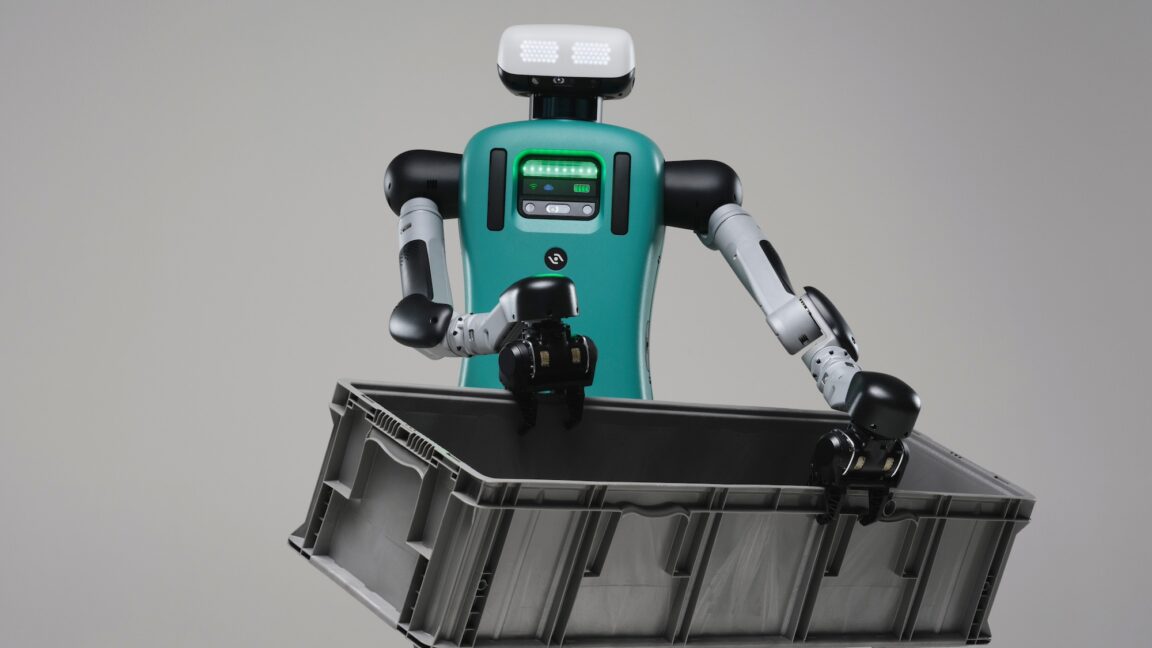
Self-driving cars and delivery drones are already a reality. Now, researchers and companies are working on the next big step: general-purpose robots that can work in offices, factories, and even homes. These robots would use modern artificial intelligence to handle many different tasks without human help. This vision has sparked a wave of new startups and billions of dollars in investment.
Main Impact
The key development is the shift from simple robot navigation to full task autonomy. In the past, robots could only move from one point to another. Today, AI allows robots to understand and perform a wide range of jobs on their own. This could change how work gets done in many industries, from warehouses to hospitals. It may also bring helpful robots into everyday homes.
Key Details
What Happened
Matt Malchano, vice president of software at Boston Dynamics, explained how the field has changed. Fifteen years ago, his team focused on getting a robot to travel from point A to point B. Now, the goal is much bigger. Researchers want robots that can handle many tasks without being told exactly what to do each time. This requires advanced AI that can learn, adapt, and make decisions.
Important Numbers and Facts
The push for autonomous robots has attracted billions of dollars in funding. Many researchers have left universities to start their own companies. These startups aim to build robots that can work alongside people in places like factories, offices, and eventually homes. The technology is still developing, but progress is happening fast.
Background and Context
For years, robots have been used in controlled settings like assembly lines. They repeat the same movements over and over. But general-purpose robots need to handle unexpected situations. For example, a robot in a home might need to pick up a toy, open a door, or avoid a pet. AI makes this possible by letting robots learn from their surroundings and make smart choices.
Public or Industry Reaction
The robotics industry is excited about the potential. Companies like Boston Dynamics are leading the way. Investors see a huge market for robots that can do many jobs. However, some people worry about job losses and safety. Experts say that robots will likely take over repetitive or dangerous tasks, not replace all human workers. Public acceptance will depend on how safe and useful these robots prove to be.
What This Means Going Forward
The next few years will be critical. Researchers need to make AI smarter and more reliable. Robots must be able to work safely around people. If these challenges are solved, we could see robots in more workplaces and even homes. This would change how we live and work. But it will take time, testing, and careful planning.
Final Take
Autonomous robots are no longer just science fiction. With modern AI, they are becoming a real possibility. The shift from simple movement to complex task handling is a big step. While there are still hurdles, the progress so far is promising. The future of work may soon include robot coworkers and helpers.
Frequently Asked Questions
What makes a robot autonomous?
An autonomous robot can make decisions and perform tasks without direct human control. It uses sensors, cameras, and AI to understand its environment and choose the best actions.
Will these robots replace human jobs?
They may take over some repetitive or dangerous jobs, but they are more likely to work alongside humans. Many experts believe robots will handle tasks that are boring or risky, freeing people for more creative work.
When will we see robots in homes?
It may take several more years. Home robots need to be safe, affordable, and easy to use. Companies are working on these challenges, but widespread home use is not expected immediately.