
Summary
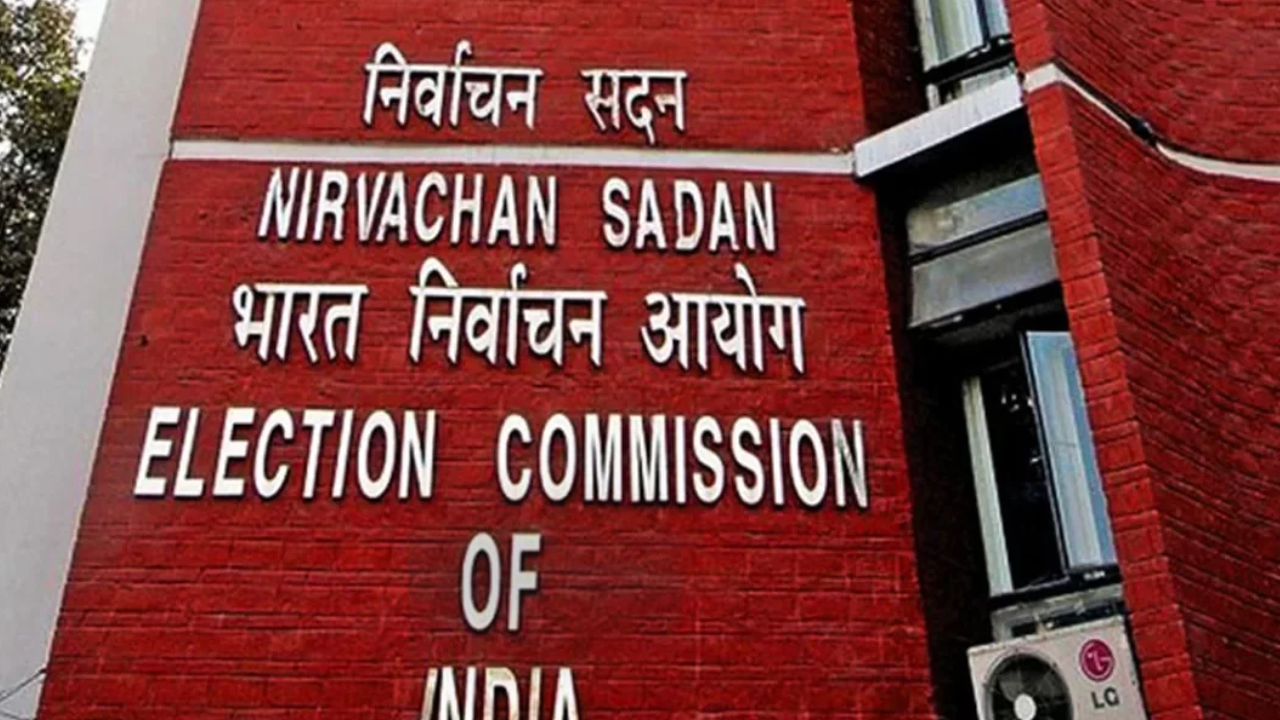
The Election Commission of India is preparing to release the official schedule for assembly elections in four states and one Union Territory. The regions involved are West Bengal, Assam, Tamil Nadu, Kerala, and Puducherry. This announcement is a major step in the democratic process, as it sets the timeline for millions of citizens to cast their votes. The decision will trigger immediate changes in how these states are governed during the campaign period.
Main Impact
The most immediate effect of this announcement is the start of the Model Code of Conduct. This is a set of rules that prevents the current governments from making big promises or starting new projects that could unfairly influence voters. It ensures that the election remains fair for everyone. Additionally, the focus on security will increase significantly. The government plans to send a large number of central security forces to these regions to keep the peace and prevent any trouble at polling stations.
Key Details
What Happened
The Election Commission has finished its review of the readiness in each state. Officials have met with local leaders, police, and health experts to ensure that the voting process can happen smoothly. Today, they will share the specific dates for when people can file their papers to run for office and the actual days when voting will take place. They will also announce the date when the votes will be counted and the winners will be known.
Important Numbers and Facts
Five regions are going to the polls: West Bengal, Assam, Tamil Nadu, Kerala, and Puducherry. In West Bengal, there is a plan to change how the voting is organized. In the past, elections there happened in many different stages over several weeks. This time, the Commission is looking at using fewer stages to make the process faster. However, to keep things safe, they are increasing the number of central police officers. In West Bengal, officials are also finishing a special list of voters. They had to check on "doubtful" cases where a person's right to vote was unclear. Those who are cleared will be added to a final list so they can participate in the election.
Background and Context
India holds elections for its state assemblies every five years. These elections are very important because state governments control things like schools, hospitals, and local roads. The five regions voting this time are spread across different parts of the country. Assam is in the Northeast, West Bengal is in the East, and Tamil Nadu, Kerala, and Puducherry are in the South. Each of these places has its own unique political environment. For example, in the southern states, local parties often have a lot of power. In West Bengal and Assam, the competition between national parties and local groups is usually very intense. The Election Commission’s job is to make sure that despite these tensions, the voting is done in a quiet and orderly way.
Public or Industry Reaction
Political parties have been waiting for this announcement for weeks. Many leaders have already started traveling across their states to meet with people and give speeches. Now that the dates are being released, these parties will move into high gear. They will quickly finalize their lists of candidates and start their official advertising. Voters are also paying close attention. In areas where security has been a concern in the past, the news about more central forces has been welcomed by many who want to feel safe when they go to vote. On the other hand, some political groups are watching closely to ensure that the deployment of these forces is done fairly.
What This Means Going Forward
Once the schedule is public, the entire focus of the country will shift to these five regions. The next few weeks will be filled with rallies, debates, and political promises. The Election Commission will have the difficult task of monitoring every move to ensure no rules are broken. They will use technology to track spending and social media to stop the spread of false information. The use of fewer phases in West Bengal will be a major test for the security teams. If it works well, it could change how future elections are handled in states that have faced security challenges before. The final goal is to reach the counting day without any major incidents.
Final Take
The announcement of election dates is the heartbeat of a working democracy. It moves the power from the politicians back to the people. While the logistics of managing millions of voters and thousands of polling booths are difficult, the process is vital for the country. The focus on security and updated voter lists shows that the authorities are trying to make this election as transparent and safe as possible for every citizen involved.
Frequently Asked Questions
What is the Model Code of Conduct?
It is a set of guidelines issued by the Election Commission. It tells political parties and candidates how to behave during the election. It stops the government from using its power to gain an unfair advantage during the campaign.
Why are central forces used during elections?
Central forces are police units that do not belong to the local state government. They are sent to ensure that the voting process is neutral and to prevent any local pressure or violence from affecting the voters.
What are "doubtful" voters?
These are individuals whose citizenship or right to vote was questioned during the list-making process. The authorities review their documents, and if they are found to be eligible, they are added to the supplementary voter list so they can vote.



