
Summary
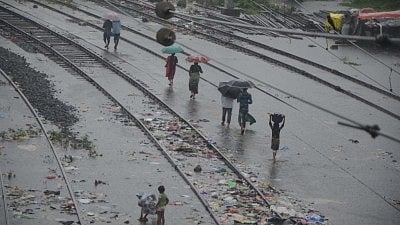
Train services in Upper Assam have been suspended after floodwaters from the Dikhow River submerged railway tracks and the Simaluguri station yard in Sivasagar district. The Northeast Frontier Railway (NFR) halted operations on key routes as a safety measure, causing delays and cancellations for long-distance and local trains. The disruption adds to Assam's worsening flood crisis, which has now affected over 57,000 people across seven districts and prompted the Indian Army to launch rescue operations.
Main Impact
The suspension of train services on the Simaluguri–Namtiali and Simaluguri–Selenghat sections has disrupted travel for thousands of passengers. Long-distance trains from Dibrugarh and Tinsukia have been diverted through alternative routes, leading to significant delays. Local and passenger trains in the affected area have been cancelled or shortened. The flooding also threatens railway infrastructure, with repair work unable to begin until waters recede.
Key Details
What Happened
Continuous rainfall in upstream areas caused the Dikhow River to rise suddenly, flooding the Simaluguri railway station yard, railway colony, and nearby tracks. The NFR suspended train movement to ensure passenger safety and prevent accidents. Emergency teams have been deployed, but restoration efforts are on hold until floodwaters drop enough for damage assessment.
Important Numbers and Facts
As of July 20, 2026, over 57,100 people are affected across seven districts: Charaideo, Dhemaji, Dibrugarh, Jorhat, Sivasagar, Tinsukia, and Udalguri. Charaideo is the worst-hit with around 24,000 affected, followed by Dhemaji with over 22,000. One person died in Sivasagar, raising the state's flood-related death toll this year to five. The number of affected people rose sharply from nearly 24,000 a day earlier.
Background and Context
Assam faces annual floods during the monsoon season, with rivers like the Brahmaputra and its tributaries often overflowing. This year, heavy rains have caused widespread damage, submerging villages, damaging roads, and displacing families. The railway disruption is the latest blow, cutting off a key transport link for Upper Assam, which relies on trains for travel and goods movement. The Indian Army's 'Operation Jal Rahat' aims to support state-led rescue efforts in the hardest-hit eastern districts.
Public or Industry Reaction
Passengers have expressed frustration over delays and cancellations, with many stranded at stations or forced to find alternative transport. Local officials have urged the NFR to restore services quickly, but acknowledge that safety comes first. The Assam State Disaster Management Authority (ASDMA) is coordinating relief efforts, while the Army has deployed teams for rescue and evacuation in flooded areas.
What This Means Going Forward
The flood situation remains critical, with more rain forecast in the coming days. Train services are unlikely to resume until water levels drop and track safety is confirmed. This could take several days or longer, depending on weather conditions. The broader impact includes economic disruption, as goods transport via rail is also affected. Authorities are on high alert, with rescue teams working to reach isolated communities and provide food, water, and medical aid.
Final Take
Assam's flood crisis is a stark reminder of the region's vulnerability to extreme weather. The suspension of train services highlights how quickly natural disasters can disrupt daily life and critical infrastructure. While emergency response is underway, the focus must remain on long-term measures to improve flood management and protect communities from future events.
Frequently Asked Questions
Why were train services suspended in Upper Assam?
Train services were suspended because floodwaters from the Dikhow River submerged railway tracks and the Simaluguri station yard, making train movement unsafe for passengers and staff.
How many people are affected by the Assam floods?
As of July 20, 2026, over 57,100 people across seven districts are affected, with Charaideo and Dhemaji being the worst-hit areas.
When will train services resume?
Train services will resume only after floodwaters recede and railway officials can inspect the tracks for damage. The timeline depends on weather conditions and the speed of restoration work.

