
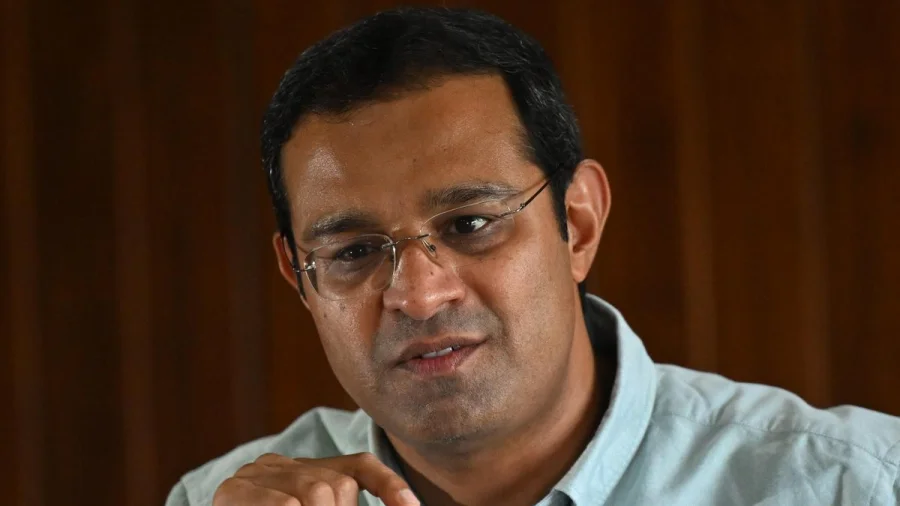
The death of a B.Tech student from Arunachal Pradesh in Kerala has turned a quiet academic rule into a matter of life and death. Students say a newly enforced credit threshold at Kerala Technological University left classmates trapped in a 'year back' — and they are now demanding accountability. The State Higher Education Minister has promised a probe.
Minister promises probe as students point at credit rule
The Higher Education Minister stepped in after the death, promising a full investigation. Students have publicly blamed the credits-based 'year back' system, calling it a source of acute pressure. The Minister acknowledged that around 20 students at the college were facing difficulties because of the recent KTU decision.
Why the 'year back' system is at the centre of student anger
For engineering students in Kerala, a 'year back' means losing an entire academic year. Under the new KTU norm, a student who fails to secure 22 credits in Semester 4 cannot proceed to the next semester. Students argue the rule is unforgiving — leaving little room for those who barely miss the cutoff and creating prolonged uncertainty about their future.
The 22-credit Semester 4 rule: what is known
Kerala Technological University recently decided to allow only students who score 22 credits in Semester 4 to move ahead. The rule was designed to enforce academic standards, but its implementation has now come under scrutiny. The Minister's statement confirms that a significant number of students — around 20 at this college alone — are caught in the gap created by the regulation.
Distance, pressure, and isolation: the human cost
For a student from Arunachal Pradesh studying in Kerala, the distance from home makes an academic setback far heavier. No immediate family nearby, a different language and culture, and the weight of parental expectations — a 'year back' in such conditions is not just an academic delay. It can feel like a personal failure, with nowhere to turn. This tragedy has brought that quiet suffering into focus.
What the Minister's intervention signals
The promise of a probe is an official acknowledgment that the credit rule and its fallout need examination. It also places KTU's academic policies under a harsh spotlight — not just for this college, but for every institution bound by the same regulation. Whether this remains a symbolic gesture or becomes a genuine review depends on the investigation's scope and transparency.
Confirmed facts vs what remains under investigation
What is confirmed: a B.Tech student from Arunachal Pradesh died in Kerala; the Higher Education Minister has promised a probe; around 20 students at the college reportedly face difficulty under the 22-credit Semester 4 rule; students have blamed the 'year back' system. What remains unclear: the student's identity and age, the exact circumstances of the death, whether the student was among those affected by the credit rule, and what the probe will specifically examine. None of these details have been officially released.
Campus grief meets an old question: do rigid rules protect or punish?
This case has reignited a longstanding debate in Indian technical education — whether inflexible credit thresholds uphold academic quality or punish struggling students. KTU's 22-credit rule is not unusual; universities across India have similar provisions. But critics argue the human cost of these policies is consistently underestimated. The balance between academic discipline and student welfare is now the real issue on the table.
What students and parents should do now
For students facing a year back, the first step is to speak up — to faculty, counsellors, or family. Institutions generally have channels to raise academic concerns, and students should use them early rather than suffer in silence. Parents, especially those with children studying far from home, should track academic progress throughout the year, not just at results time. A year back is a setback, not an end — but that message needs to reach students before they hit the crisis point.
What next: the probe, the rule, and the reckoning
The Minister's promised investigation is the immediate priority. Its findings could shape whether the 22-credit rule is relaxed, whether colleges are required to provide counselling and academic support, and whether KTU rethinks its approach to students who fall short. Until the probe reports, students and families will be watching one question closely: will this tragedy lead to change, or remain a statistic?
Our Take
The death of a young student from Arunachal Pradesh in Kerala is first a human tragedy, not a policy debate. But the students' charge that the 'year back' system contributed to the pressure is serious, and deserves a genuine investigation — not a procedural formality. If the probe confirms that academic rigidity played any role in this death, KTU and other universities will face hard questions about how they treat students at the margins. The Minister's promise is a beginning. The credibility of the inquiry will decide whether it means anything.
Frequently Asked Questions
What is the KTU 22-credit Semester 4 rule?
Kerala Technological University recently decided that only students who score 22 credits in Semester 4 will be allowed to proceed to the next semester. Students who fall short face a 'year back' — losing an academic year.
How many students are reportedly affected by the rule?
The State Higher Education Minister said around 20 students at the college were facing difficulties following KTU's recent decision on the 22-credit requirement.
What did the Minister say about the student's death?
The Higher Education Minister promised a probe into the circumstances surrounding the death of the B.Tech student from Arunachal Pradesh in Kerala.
Why are students blaming the 'year back' system?
Students argue the credits-based 'year back' system creates intense academic pressure and uncertainty. They say the new KTU rule leaves little room for students who narrowly miss the Semester 4 cutoff, pushing them into prolonged distress.
# [NEWS_SCHEMA] { "@context": "https://schema.org", "@type": "NewsArticle", "headline": "Arunachal Student's Death in Kerala: Minister Orders Probe as 'Year Back' Rule Draws Fire", "description": "A B.Tech student from Arunachal Pradesh was found dead in Kerala. The Higher Education Minister promised a probe as students blamed KTU's strict 'year back' credit rule affecting around 20 students.", "image": "", "datePublished": "", "dateModified": "", "author": { "@type": "Person", "name": "Editorial Correspondent", "url": "", "sameAs": [] }, "publisher": { "@type": "Organization", "name": "", "logo": { "@type": "ImageObject", "url": "" } }, "mainEntityOfPage": { "@type": "WebPage", "@id": "" }, "articleSection": "Education / Breaking News", "keywords": "Arunachal B.Tech student found dead in Kerala, KTU year back rule, 22 credits Semester 4 Kerala, Higher Education Minister probe" } # [SOURCES] Original Story: B.Tech student from Arunachal found dead in Kerala — Headline Source Note: No independent high-confidence source was available for verification at the time of writing. This article is based solely on the provided headline and original story. Credible official statements and agency reports should be added as they become available.


