
Summary
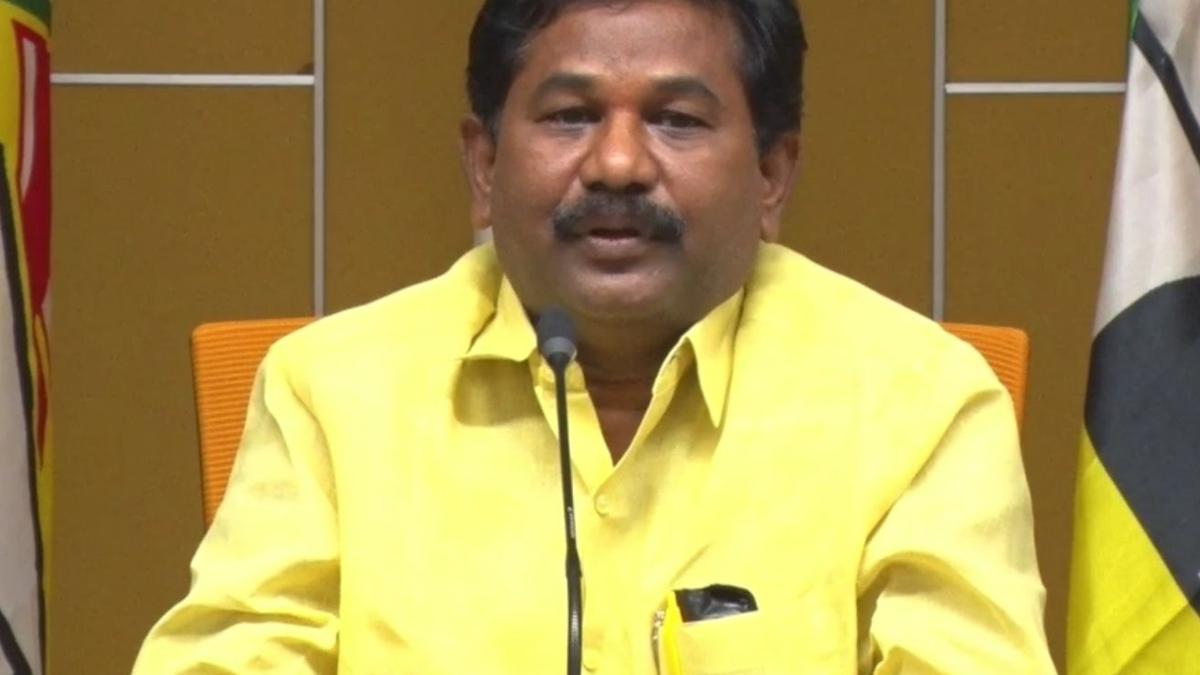
Andhra Pradesh Social Welfare Minister Dola Sree Bala Veeranjaneya Swamy has officially promised to fix the ongoing problems faced by employees of the Andhra Pradesh State Road Transport Corporation (APSRTC). During a recent visit to Ongole, the minister met with workers to discuss their concerns regarding unpaid financial dues and the heavy pressure of their daily work. This move is seen as a vital step toward improving the lives of thousands of bus drivers, conductors, and office staff who keep the state moving. The government aims to settle these issues quickly to ensure the transport system runs smoothly.
Main Impact
The main impact of this announcement is the potential for better financial stability and improved mental health for transport workers. For a long time, these employees have been waiting for their rightful payments and a more balanced work schedule. By addressing the delay in Dearness Allowance (DA) and the stress caused by new travel schemes, the government is showing that it values the people behind the steering wheel. If these promises are kept, it will likely lead to higher morale among staff, which usually results in safer and more polite service for the millions of people who use public buses every day.
Key Details
What Happened
The Social Welfare Minister held a meeting in Ongole where he spoke directly with APSRTC staff and union representatives. The workers shared a list of grievances that have been building up over several months. The two biggest issues raised were the long delay in receiving Dearness Allowance payments and the extreme workload brought on by the "Stree Shakti" program. The minister listened to these concerns and assured the workers that the state government is committed to finding a solution that works for everyone.
Important Numbers and Facts
While the exact total of the debt was not released, the pending Dearness Allowance (DA) represents a significant portion of the workers' expected income. DA is a calculation used to help employees deal with the rising cost of living, so missing these payments makes it hard for families to pay for basic needs. Additionally, the "Stree Shakti" scheme, which allows women to travel for free or at a very low cost, has led to a massive jump in the number of passengers. This has forced staff to work longer hours and manage much larger crowds than they were used to in the past.
Background and Context
The Andhra Pradesh State Road Transport Corporation is one of the biggest transport organizations in the country. It connects remote villages to big cities, making it the lifeline of the state. However, running such a large system is expensive and often faces financial hurdles. In recent years, the government introduced social welfare schemes to help citizens travel more easily. While these programs are good for the public, they often put a lot of pressure on the transport department's budget and its employees. The workers feel that while the public gets the benefits, the staff are the ones paying the price through extra work and delayed paychecks.
Public or Industry Reaction
The reaction from the transport community has been a mix of relief and caution. Many workers are happy that a senior minister took the time to hear them out in person. Union leaders have stated that they appreciate the verbal assurance but are waiting to see actual money in their bank accounts. On the other hand, the general public is hopeful that these changes will prevent any future strikes. When transport workers are unhappy, it often leads to protests that can stop buses from running, which causes huge problems for students and office workers who rely on them.
What This Means Going Forward
In the coming weeks, the state government will need to coordinate with the finance department to release the funds needed for the DA dues. There is also a need for a better plan to manage the "Stree Shakti" scheme. This might include adding more buses to busy routes or hiring more staff to handle the increased passenger load. If the government fails to act on these promises, it could lead to further tension between the workers and the state. However, if successful, this could serve as a model for how to balance social welfare programs with the needs of the employees who run them.
Final Take
Public transport is the heartbeat of the state, and the people who run it deserve to be treated fairly. By promising to clear financial dues and look into workload concerns, the government is taking a necessary step toward a more sustainable transport system. It is now up to the authorities to turn these words into action so that both the workers and the passengers can have a better experience on the road.
Frequently Asked Questions
What is the main problem APSRTC workers are facing?
The workers are mainly concerned about unpaid Dearness Allowance (DA) and an increased workload caused by new travel schemes for women.
What is the "Stree Shakti" scheme?
It is a government program that provides free or subsidized bus travel for women, which has led to much higher passenger numbers on state buses.
Who promised to solve these issues?
The Social Welfare Minister, Dola Sree Bala Veeranjaneya Swamy, gave the assurance during a meeting with workers in Ongole.

