
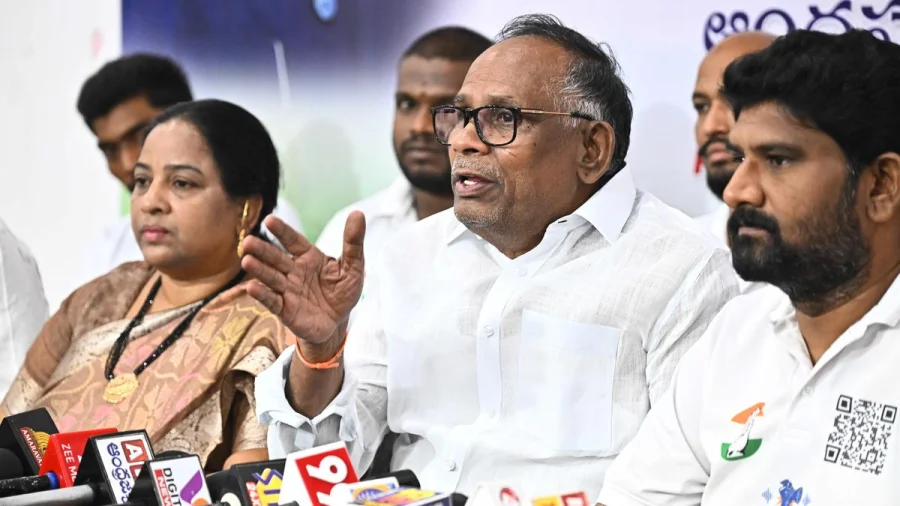
The Andhra Pradesh Congress Committee (APCC) has strongly condemned the lathi-charge on students protesting at Jantar Mantar in New Delhi, calling it an attack on democratic expression. The protest, organized by students from various states, demanded an end to recurring paper leaks in competitive examinations and a complete overhaul of the examination system.
APCC Leader Calls Lathi-Charge Undemocratic
APCC vice-president Kolanukonda Shivaji said the use of force against peaceful student protesters was unacceptable. "Suppressing the voices of students goes against the very spirit of democracy," Shivaji stated, adding that the government must listen to the legitimate concerns of young aspirants rather than resorting to violence.
Why Students Are Protesting at Jantar Mantar
The protest at Jantar Mantar is part of a larger movement by students who have faced repeated disruptions due to paper leaks in exams like NEET, UGC NET, and other state-level tests. These leaks have caused delays, cancellations, and immense stress for millions of students across India, particularly those from rural and economically weaker backgrounds who invest heavily in preparation.
Demand for a Law Against Paper Leaks
Shivaji specifically demanded a stringent law to prevent paper leaks and ensure a transparent examination system. He argued that without legal deterrence, the cycle of leaks and protests would continue, undermining the future of India's youth. The APCC has called for bipartisan support to introduce and pass such legislation.
Human Impact on Students and Families
For students like those from Andhra Pradesh who traveled to Delhi to protest, the lathi-charge has added trauma to an already stressful situation. Many have spent months preparing for exams that were either cancelled or compromised. The emotional and financial toll on families is significant, with some students reporting anxiety and loss of trust in the system.
Political Reactions and Growing Outrage
The incident has drawn sharp criticism from opposition parties, including the Congress, which has accused the central government of mishandling student protests. The APCC's condemnation adds to a chorus of voices demanding accountability from law enforcement and the examination authorities.
What a Transparent Examination System Would Look Like
A transparent system, as demanded by the APCC, would include digital safeguards, real-time monitoring, strict penalties for leaks, and independent oversight. Experts suggest that such measures could restore faith in competitive exams, which are the primary gateway to higher education and government jobs for millions of Indian students.
Confirmed Facts vs What Remains Unclear
Confirmed: The APCC has condemned the lathi-charge and demanded a law against paper leaks. Unclear: The exact number of students injured or detained during the protest, and whether any formal complaint has been filed by the protesters against the police action. These details are still emerging.
Risks and Balanced View
While the APCC's condemnation is clear, some critics argue that protests must remain within legal boundaries and that law enforcement has a duty to maintain public order. However, the use of force against unarmed students, especially those demanding basic fairness in exams, raises serious questions about proportionality and the right to peaceful assembly.
Wider Trend of Student Protests in India
This incident is part of a broader pattern of student-led protests in India over issues ranging from exam irregularities to fee hikes and campus violence. The Jantar Mantar protest reflects a growing frustration among young Indians who feel their futures are being compromised by systemic failures.
Practical Guidance for Affected Students
Students affected by paper leaks or the lathi-charge can approach local Congress offices for support, file complaints with the National Human Rights Commission (NHRC), and join legal aid groups. It is also advisable to document injuries and gather witness statements for any future legal action.
Future Outlook
The APCC's demand for a law against paper leaks may gain traction if more political parties join the call. However, without immediate government action, student protests are likely to continue, potentially escalating in scale. The coming weeks will be crucial in determining whether the authorities address the root causes or further alienate the youth.
Our Take
The lathi-charge on students at Jantar Mantar is not just a law-and-order issue; it is a symptom of a deeper crisis in India's examination system. The APCC's condemnation is justified, but the real test lies in translating outrage into legislative action. Students deserve a system that is fair, secure, and respectful of their aspirations. Until then, every protest is a reminder of a promise unkept.
Frequently Asked Questions
Why did the APCC condemn the lathi-charge on students?
The APCC condemned the lathi-charge because it believes suppressing student voices through force is undemocratic. The protest was against paper leaks in exams, and the party demanded a transparent system and a law to prevent future leaks.
What are students demanding at the Jantar Mantar protest?
Students are demanding a law to prevent paper leaks, a transparent examination system, and accountability from authorities for repeated exam disruptions that have affected millions of aspirants across India.
What did Kolanukonda Shivaji say about the incident?
APCC vice-president Kolanukonda Shivaji said the lathi-charge goes against the spirit of democracy and called for a legal framework to prevent paper leaks and ensure fair exams.
What can students do if they were affected by the lathi-charge?
Affected students can seek legal aid, file complaints with the NHRC, approach local Congress offices for support, and document injuries and witness accounts for potential legal action.

