
Summary
A gunman in the United States sent several anti-government messages to his family members just moments before starting a violent shooting. These writings detailed his anger toward the federal government and his belief that the system was working against ordinary citizens. The messages were sent via email and text, leaving his relatives with very little time to contact the police or stop the tragedy. This event has once again raised serious questions about how law enforcement can track digital threats before they turn into physical violence.
Main Impact
The immediate impact of this event is a renewed focus on domestic extremism and the speed at which these attacks occur. Because the gunman sent his writings only minutes before the first shots were fired, there was no window for intervention. This highlights a major gap in public safety where even when a person shares their plans, the timeline is often too short for a response. It also shows how deeply anti-government feelings can lead to radical actions, affecting not just the victims but the families of the shooters who are left to deal with the shock of these final messages.
Key Details
What Happened
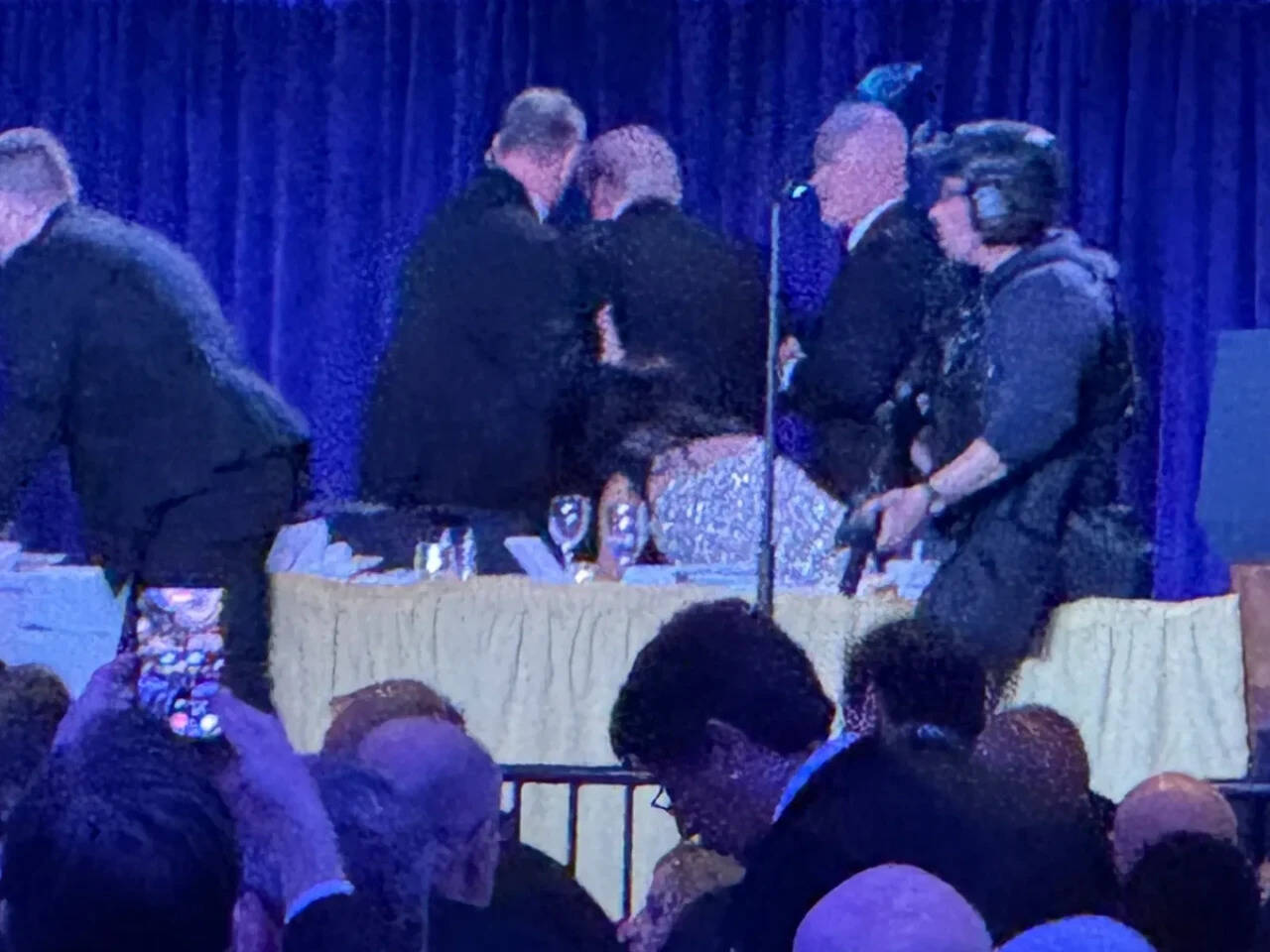
The incident began when the shooter, whose identity is being reviewed by federal agents, sent a series of digital documents to his closest relatives. In these papers, he expressed a long list of complaints against the government. He claimed that his rights were being taken away and that he felt forced to take a stand. Shortly after the messages were sent, he arrived at a public location and began shooting. Police arrived on the scene within minutes, but the damage had already been done. Investigators are now looking through his computer and phone to see if he had been planning this for a long time or if it was a sudden decision.
Important Numbers and Facts
The messages were sent approximately 12 minutes before the first 911 call was placed. The writings consisted of over 2,000 words spread across three different documents. According to initial reports, the gunman had no previous criminal record that would have prevented him from owning a weapon. Local police confirmed that at least five people were injured in the attack, and the shooter was taken into custody after a brief standoff. Data shows that this is the fourth time this year that a shooter has left behind a digital manifesto or letter explaining their motives to family members.
Background and Context
In recent years, the United States has seen a rise in cases where individuals become radicalized by ideas they find online. Anti-government sentiment is not new, but the way it spreads has changed. People who feel ignored by the system often find groups online that support their anger. These groups can sometimes push a person toward the idea that violence is the only way to be heard. This specific case is part of a larger trend where shooters want to leave a "legacy" or a reason for their actions, often blaming the state or federal authorities for their personal problems.
Public or Industry Reaction
The reaction from the public has been a mix of anger and sadness. Many people are asking why the digital platforms used to send these messages did not have systems to flag such violent language. Law enforcement experts have pointed out that private messages are hard to monitor without breaking privacy laws. Family members of the shooter have released a statement saying they are "completely heartbroken" and had no idea he was capable of such violence. Meanwhile, political leaders are using the event to talk about the need for better mental health support and stricter rules on how people can buy high-powered weapons.
What This Means Going Forward
Going forward, this event will likely lead to more discussions about "red flag" laws. These laws allow police to temporarily take away guns from people who show signs of being a danger to themselves or others. However, since the shooter sent his writings so close to the time of the attack, even the best laws might not have stopped him. There will also be a push for tech companies to create better tools that can detect threats in real-time. The challenge remains how to balance the need for safety with the right to privacy in a digital world.
Final Take
This tragedy shows that the motives behind mass shootings are often tied to deep-seated political anger. When a person decides to share their final thoughts with family just minutes before an attack, it leaves a lasting scar on the community and the survivors. The focus must now stay on finding ways to identify these threats earlier and understanding the root causes of such extreme hatred toward the government.
Frequently Asked Questions
What did the gunman’s writings say?
The writings contained a list of complaints against the government, claiming that the system was unfair and that his personal rights were being violated.
Did the family have time to stop the shooting?
No, the messages were sent only about 12 minutes before the shooting started, which did not give the family enough time to alert the authorities and prevent the event.
Was the shooter known to the police before this?
Initial reports suggest the shooter did not have a criminal history that would have flagged him as a high-risk individual before this incident occurred.

