
Summary
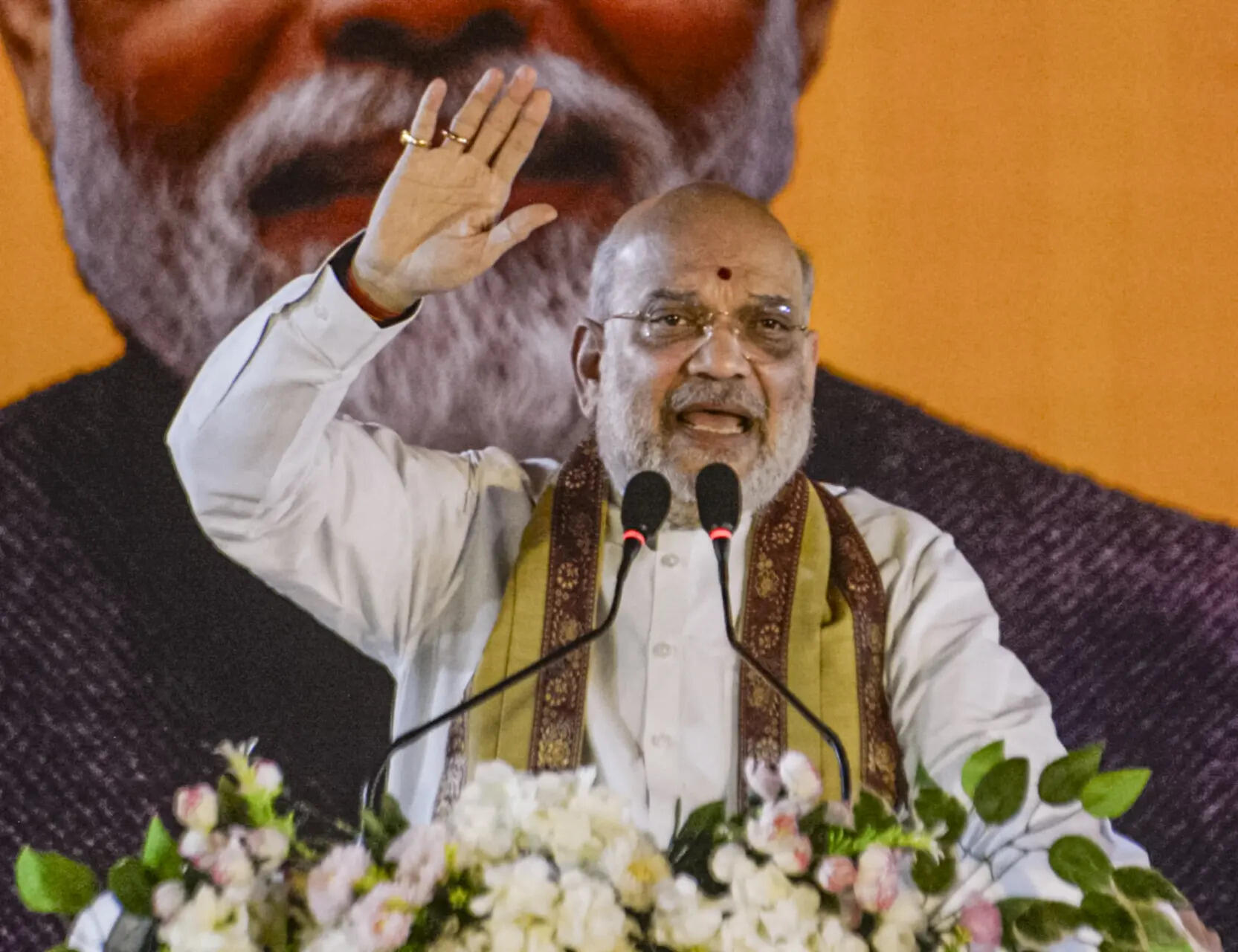
Union Home Minister Amit Shah has made a strong statement regarding the political situation in West Bengal. During a recent visit to the state, he made it clear that the Bharatiya Janata Party (BJP) will never form an alliance with leaders like Humayun Kabir of the Trinamool Congress (TMC). Shah criticized the TMC for its political methods and accused the party of creating false stories to win votes. This statement comes at a critical time as political parties prepare for the upcoming elections in the state.
Main Impact
The main impact of Amit Shah’s comments is the drawing of a clear line between the BJP and the TMC. By using strong language, Shah is telling voters that there is no middle ground between his party and the current state government. This move is designed to strengthen the BJP’s image as a party that stands firm on its cultural and religious values. It also puts pressure on the TMC to defend its leaders and their past statements. This direct attack likely means the election campaign will become even more focused on religious and cultural identity rather than just local development issues.
Key Details
What Happened
Amit Shah was in West Bengal to release the BJP’s official election manifesto. This document lists the promises the party intends to keep if they win the state polls. After the event, Shah held a press conference where he was asked about Humayun Kabir, a prominent TMC leader. Shah responded by saying that the BJP and Kabir are as different as the "North Pole and the South Pole." He stated that their ideologies are so far apart that they could never work together. He also took the opportunity to criticize Chief Minister Mamata Banerjee, suggesting that her party is skilled at creating misleading videos and political plots.
Important Numbers and Facts
During his speech, Shah mentioned that Mamata Banerjee has the ability to create "2,000 such videos" to support her party's narrative. This was a direct reference to the use of social media and video content in modern Indian politics. The Home Minister’s visit was centered on the launch of the party's manifesto, which is a key step in any election cycle. By bringing up the "Babri" reference, Shah was reminding voters of past religious disputes to highlight the differences in how the two parties approach sensitive topics in Bengal.
Background and Context
To understand why this matters, one must look at the history of politics in West Bengal. For several years, the BJP has been trying to replace the TMC as the leading party in the state. The two parties often clash over issues of religion, immigration, and law and order. Humayun Kabir, the leader mentioned by Shah, has often been at the center of controversy for his public comments regarding religious demographics. The BJP frequently uses these comments to argue that the TMC does not protect the interests of all citizens. By mentioning the "Babri" mindset, Shah is connecting the local Bengal struggle to larger national religious debates that have shaped Indian politics for decades.
Public or Industry Reaction
The reaction to Shah’s comments has been swift. BJP supporters have praised the Home Minister for his clarity and for refusing to compromise on the party's core beliefs. They see this as a sign of strength. On the other side, TMC leaders have dismissed the comments as an attempt to distract people from real issues like the economy and jobs. Critics of the BJP argue that using such language only serves to divide the public. Meanwhile, political analysts suggest that this rhetoric is a sign that the election will be fought on very emotional grounds, with both sides trying to paint the other as a threat to the state’s future.
What This Means Going Forward
Looking ahead, we can expect the political climate in West Bengal to remain very tense. The BJP will likely continue to target specific TMC leaders to show that the ruling party is out of touch with certain groups of voters. We will also see a rise in the use of digital media, as both parties try to control the narrative through videos and social media posts. The "North Pole and South Pole" comment suggests that any hope of a peaceful or cooperative political environment is unlikely. Voters will be faced with two very different visions for the state, making the upcoming election one of the most significant in recent history.
Final Take
Amit Shah’s refusal to associate with certain TMC figures shows that the BJP is sticking to its ideological roots in West Bengal. By framing the choice as a total opposition of values, the party is hoping to consolidate its support. This strategy makes it clear that the battle for Bengal is not just about who runs the government, but about the very identity of the state itself.
Frequently Asked Questions
Who is Humayun Kabir?
Humayun Kabir is a politician from the Trinamool Congress (TMC) in West Bengal. He has been a controversial figure due to his public statements regarding religious and political issues in the state.
What did Amit Shah mean by "North Pole and South Pole"?
He used this phrase to explain that the BJP and Humayun Kabir have completely opposite beliefs and goals. It means there is no chance of them ever working together or agreeing on political matters.
Why did Amit Shah mention "2,000 videos"?
Shah was accusing Mamata Banerjee and the TMC of being very good at creating political propaganda. He suggested that the party can produce many videos to create specific political stories or conspiracies to influence voters.



