
Summary
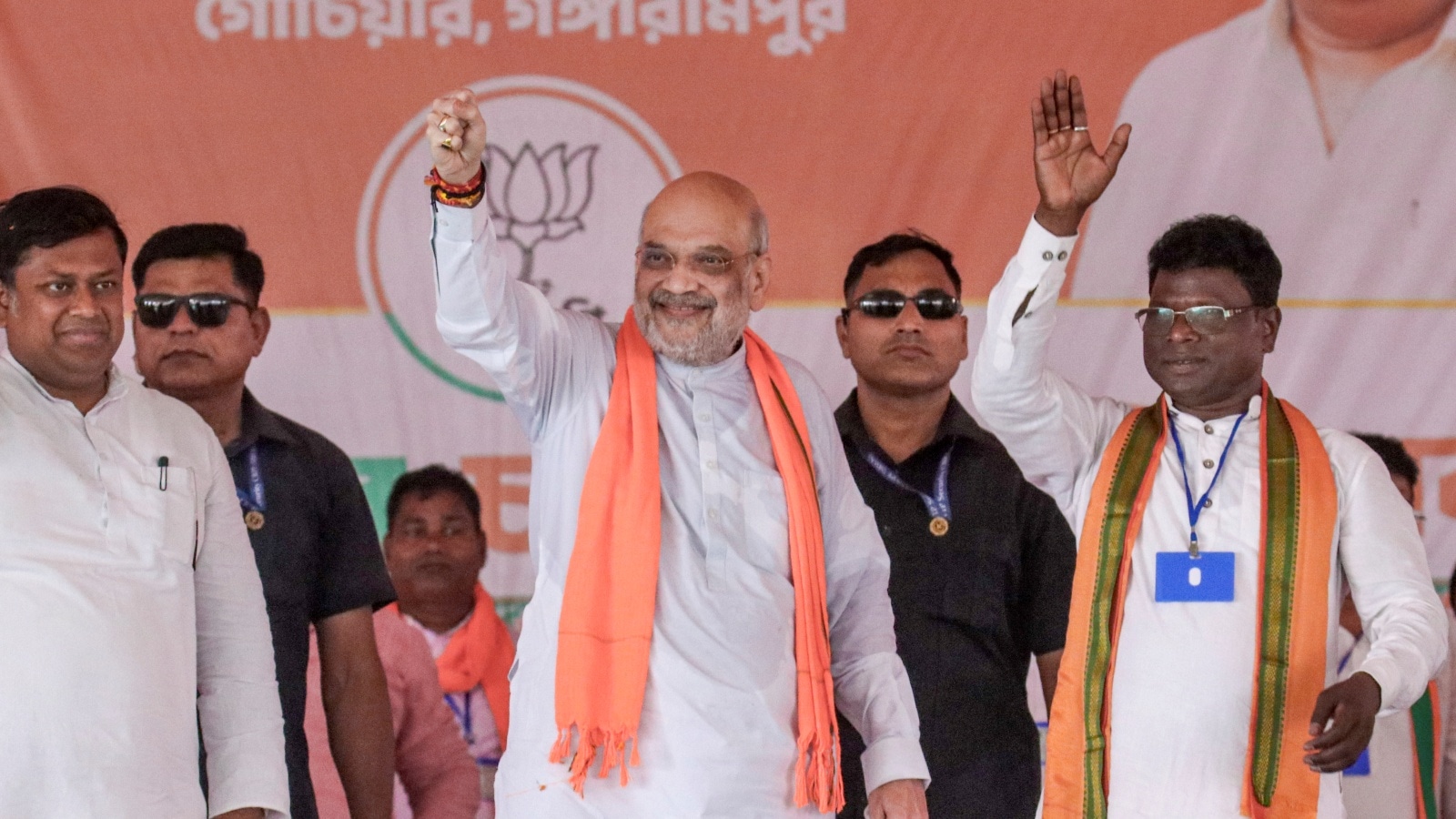
Union Home Minister Amit Shah recently visited North Bengal to share a plan for the region's future. During his visit, he made two major promises to the local communities. First, he stated that the long-standing issues of the Gorkha people would be solved within the rules of the Indian Constitution without splitting West Bengal into two states. Second, he promised that the Rajbanshi language would be added to the Eighth Schedule of the Constitution, giving it official national recognition. These announcements are seen as a major move to win the trust of voters in the northern districts of the state.
Main Impact
The impact of these promises is significant for the political and social life of North Bengal. For years, the region has seen protests and strikes over the demand for a separate state called Gorkhaland. By promising a solution that keeps West Bengal united, the government is trying to find a middle ground. This approach aims to satisfy the Gorkha community's need for more power and identity while calming fears in the rest of the state about losing territory. Additionally, the promise to recognize the Rajbanshi language gives a huge boost to the cultural pride of millions of people living in the plains of North Bengal.
Key Details
What Happened
During a large public gathering, Amit Shah addressed the specific concerns of the people living in the hills and the plains of North Bengal. He made it clear that the central government is working on a "permanent political solution" for the Gorkhas. He emphasized that this solution would not involve creating a new state, which has been a controversial topic for decades. At the same time, he reached out to the Rajbanshi community, who have been asking for their language to be treated with the same respect as other major Indian languages. He assured them that the process to include their language in the official list of the Constitution is a priority.
Important Numbers and Facts
The Eighth Schedule of the Indian Constitution currently lists 22 official languages. Adding Rajbanshi would make it the 23rd language on this list. This change would allow students to take national exams in Rajbanshi and would bring more money from the central government to help the language grow. In terms of the Gorkha population, there are hundreds of thousands of people in the Darjeeling and Kalimpong districts who have been waiting for a political settlement since the 1980s. The Home Minister's visit comes at a time when political parties are preparing for major elections, making these promises very important for the local vote bank.
Background and Context
To understand why these promises matter, one must look at the history of North Bengal. The Gorkha community has often felt that the state government in Kolkata is too far away and does not understand their unique culture or needs. This led to the Gorkhaland movement, which sometimes turned violent in the past. On the other hand, the Rajbanshi people are the largest indigenous group in the northern plains. They have their own history and kings, and they feel their language and traditions have been ignored for too long. By addressing both groups, the central government is trying to show that it cares about the specific identity of North Bengal.
Public or Industry Reaction
The reaction to these promises has been mixed. Local BJP leaders and supporters are very happy, calling it a historic step toward justice for the region. They believe these moves will help develop the area and protect local cultures. However, opposition parties like the Trinamool Congress (TMC) have criticized the move. They claim these are just "election promises" that will not be fulfilled once the voting is over. Some Gorkha groups that strictly want a separate state are also skeptical, as they feel a solution within West Bengal might not give them enough freedom. Meanwhile, Rajbanshi cultural groups have welcomed the language promise, calling it a victory for their ancestors.
What This Means Going Forward
Going forward, the government will need to take concrete steps to prove these were not just words. Adding a language to the Eighth Schedule requires a change in the law through Parliament. This is a long process that involves committees and voting. For the Gorkha issue, the government will have to sit down with local leaders to decide what a "permanent political solution" actually looks like. It could mean more money for local councils or more power to make their own laws. If these promises are not kept, it could lead to more protests and a loss of trust in the central government.
Final Take
Amit Shah's promises represent a careful balancing act. The government is trying to give the people of North Bengal a sense of identity and power without causing the chaos that usually comes with redrawing state borders. While the promise of language recognition is a clear and positive step for the Rajbanshi people, the path to a political solution for the Gorkhas remains complex. Success will depend on whether the government can turn these speeches into real laws and policies that improve the lives of the people in the hills and the plains.
Frequently Asked Questions
What is the Eighth Schedule of the Indian Constitution?
It is a list of official languages recognized by the Indian government. Languages on this list get special support for development and can be used in official government work and national exams.
Will North Bengal become a separate state?
According to the Home Minister's recent statement, the government plans to solve local issues within the current borders of West Bengal, meaning there are no plans to create a separate state at this time.
Who are the Rajbanshi and Gorkha communities?
The Gorkhas are an ethnic group living mostly in the hilly areas of Darjeeling and Kalimpong. The Rajbanshis are an indigenous community living mainly in the plains of North Bengal and parts of Assam.



