
Summary
A unique school in Hungary is using the life and teachings of Dr. B.R. Ambedkar to help the Roma community. The Roma people often face unfair treatment and live in poor conditions across Europe. By following Ambedkar’s message of education and equality, this school helps students overcome social barriers. This movement shows how ideas from India’s civil rights history are now helping people in Eastern Europe build a better future.
Main Impact
The biggest impact of this initiative is the change in how Roma youth view themselves. For a long time, many Roma children felt left behind by the traditional school system. The Dr. Ambedkar High School provides a place where they feel respected and capable. By learning about a leader who fought against similar hardships in India, these students gain the confidence to become leaders in their own villages. This shift is helping to break the long cycle of poverty and lack of opportunity that has affected the community for many years.
Key Details
What Happened
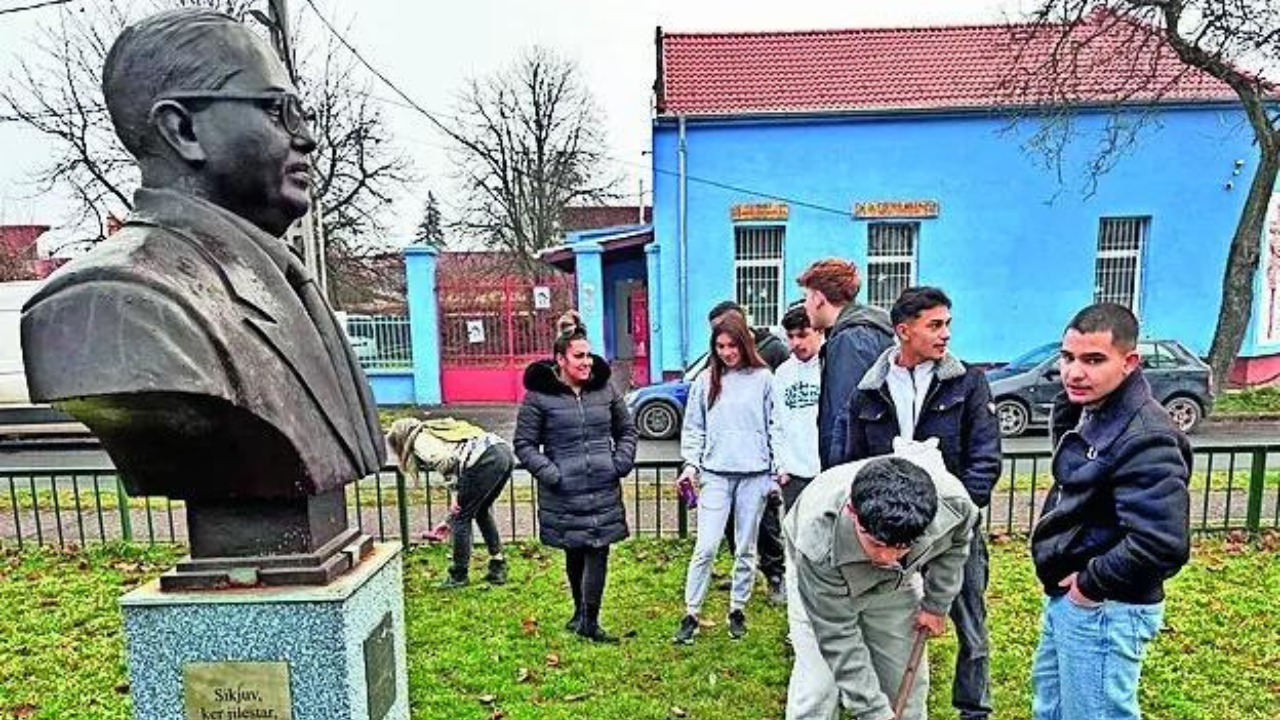
In the village of Sajokaza and other parts of Hungary, activists and teachers have set up a school system named after Dr. B.R. Ambedkar. The founders noticed that the struggles of the Roma people in Europe were very similar to the struggles of the Dalit community in India. Both groups have faced social exclusion and limited access to good jobs or housing. To fight this, the school translates Ambedkar’s writings into the local language. They teach students that education is the most powerful tool they have to change their lives.
Important Numbers and Facts
The school focuses on teenagers and adults who did not finish their basic education. In many Roma settlements, the dropout rate is very high because of poverty and a lack of support. Since the school started, there has been a noticeable increase in the number of girls completing their studies. This is a major step forward, as women in these communities often face double the pressure. Graduates of the school are now taking on roles as local representatives and community organizers, proving that the model works.
Background and Context
The Roma are the largest ethnic minority in Europe, but they are also among the most mistreated. In many Eastern European countries, Roma children are often placed in separate, lower-quality classrooms. This is known as segregation. Because they do not get a good education, it is hard for them to find steady work later in life. Dr. B.R. Ambedkar was the man who wrote the Constitution of India and fought for the rights of people at the bottom of the social ladder. His famous slogan, "Educate, Agitate, Organize," has become a guide for the Roma activists in Hungary who want to end this unfair treatment.
Public or Industry Reaction
The local community has embraced the school as a symbol of hope. While some people were surprised to see an Indian leader being celebrated in a Hungarian village, the results have spoken for themselves. Human rights groups have praised the school for its creative way of teaching. Instead of just following a standard book, the school connects history and social justice to the daily lives of the students. This makes the lessons more meaningful. Families who once thought their children had no future are now seeing them graduate and aim for higher goals.
What This Means Going Forward
The success of the Ambedkar school in Hungary suggests that social justice movements can learn a lot from each other, even if they are thousands of miles apart. As more students graduate, the Roma community will have a stronger voice in local politics. The next step for the movement is to expand these educational programs to other regions where the Roma face similar problems. However, the school still faces challenges, such as getting enough funding and dealing with local prejudice. The long-term goal is to ensure that every Roma child has the same chance to succeed as anyone else in Europe.
Final Take
The story of Ambedkar’s influence in Hungary is a powerful reminder that the fight for human rights is global. By using the lessons of the past to solve the problems of today, the Roma community is finding a path toward dignity and respect. Education is not just about learning facts; it is about realizing that everyone deserves a fair chance in life, regardless of where they were born.
Frequently Asked Questions
Who was Dr. B.R. Ambedkar?
Dr. B.R. Ambedkar was an Indian lawyer and social reformer who fought against the unfair treatment of the Dalit community. He was the main person responsible for writing India's Constitution and spent his life working for equality.
Why is there a school named after him in Hungary?
The school was named after him because Roma activists saw that their community faced many of the same problems that Ambedkar fought against in India. They use his life story to inspire Roma students to stay in school and fight for their rights.
What makes this school different from others?
This school focuses on students who have been excluded from the regular education system. It teaches them about their own history and rights, helping them build the confidence needed to become leaders in their communities.



