
Summary
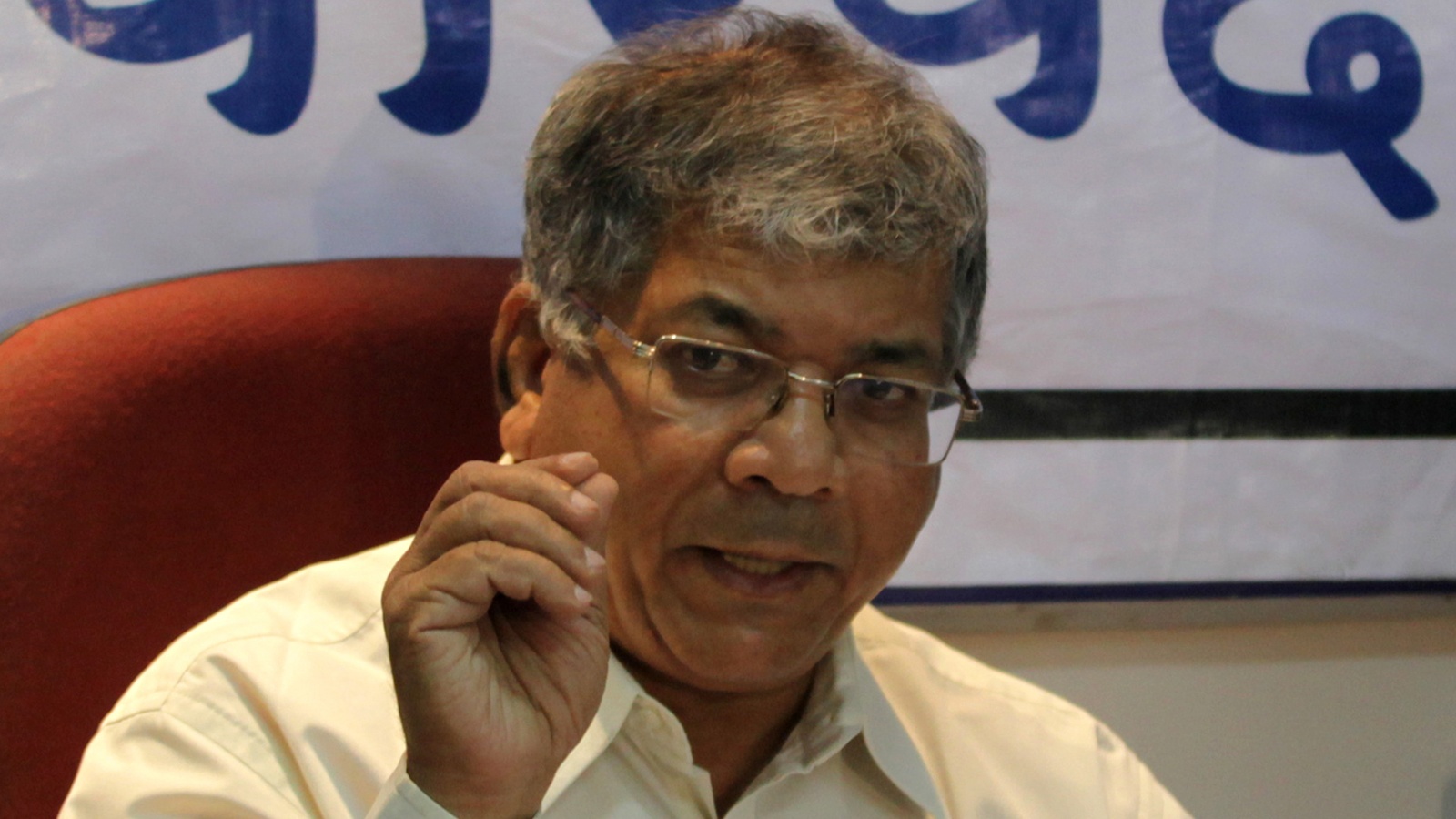
The grandson of Dr. B.R. Ambedkar has strongly criticized the recent crackdown on protests near the Chief Justice of Pakistan's (CJP) residence. He stated that silencing peaceful demonstrations is a clear sign of authoritarianism. His comments have added a powerful voice to the ongoing debate about freedom of speech and assembly in Pakistan.
Main Impact
The statement from Ambedkar's grandson has drawn international attention to the situation in Pakistan. It highlights growing concerns about how the government handles dissent. The crackdown on peaceful protesters, especially those supporting judicial independence, has sparked a wider discussion about democratic values in the country.
Key Details
What Happened
Authorities in Pakistan recently used force to break up a protest outside the residence of the Chief Justice of Pakistan. The protesters were demanding greater judicial independence and accountability. The crackdown involved arrests and the use of batons to disperse the crowd.
Important Numbers and Facts
While exact numbers are still unclear, reports suggest dozens of protesters were detained. The protest lasted several hours before authorities moved in. The event took place in Islamabad, the capital city, and was widely covered by local and international media.
Background and Context
Dr. B.R. Ambedkar is a highly respected figure in India and around the world. He was the chief architect of India's constitution and a strong advocate for social justice and human rights. His grandson's comments carry weight because they connect the current events in Pakistan to the broader struggle for democratic rights that Ambedkar championed.
The protest itself is part of a larger movement by lawyers and civil society groups in Pakistan. They are concerned about what they see as increasing pressure on the judiciary from the government. The right to peaceful assembly is protected under Pakistan's constitution, making the crackdown a sensitive issue.
Public or Industry Reaction
The reaction to the crackdown has been mixed. Human rights groups have condemned the use of force against peaceful protesters. Many lawyers and legal experts have also spoken out, saying the government's actions threaten the rule of law. On the other hand, some government supporters argue that the protest was illegal and that authorities were right to maintain order.
Social media has been buzzing with opinions. Many users have shared videos of the protest and the crackdown, calling for an independent investigation. The statement from Ambedkar's grandson has been widely shared and praised by those who support the protesters' cause.
What This Means Going Forward
The crackdown and the strong reaction to it could have lasting effects. It may further strain the relationship between the judiciary and the government in Pakistan. International observers will be watching closely to see if the government takes steps to protect the right to peaceful protest.
For the protesters, the crackdown may not end their movement. It could instead strengthen their resolve and attract more support. The coming weeks will be crucial in determining whether the situation de-escalates or leads to more confrontation.
Final Take
The criticism from Ambedkar's grandson serves as a powerful reminder that the fight for democratic rights is a global one. When peaceful voices are silenced, it is a warning sign for any society. The events in Pakistan are not just a local issue; they are part of a larger conversation about how governments should treat dissent and uphold the rule of law.
Frequently Asked Questions
Who is Ambedkar's grandson and why does his opinion matter?
Ambedkar's grandson is a public figure who speaks on issues of social justice and human rights. His opinion matters because Dr. B.R. Ambedkar is a globally respected symbol of democracy and equality. His grandson's comments carry historical and moral weight.
What was the protest about in Pakistan?
The protest was organized by lawyers and activists near the Chief Justice of Pakistan's residence. They were demanding greater independence for the judiciary and protesting against what they see as government interference in legal matters.
What does the crackdown mean for freedom of speech in Pakistan?
The crackdown raises serious concerns about the state of freedom of speech and assembly in Pakistan. Critics say it shows the government is willing to use force to silence dissent. The government, however, maintains that the protest was unlawful and that it acted to maintain public order.



