
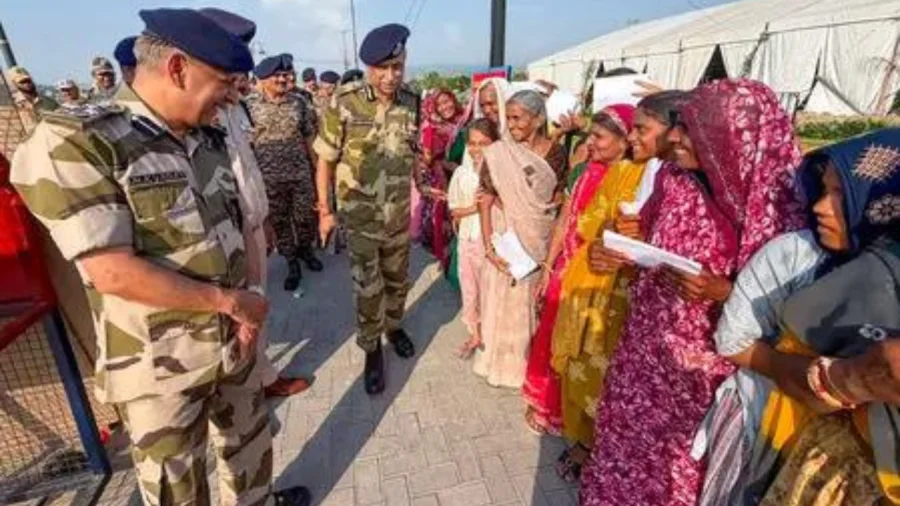
After a temporary suspension caused by relentless rainfall, the annual Amarnath yatra has resumed movement on the Batal route. Thousands of pilgrims, who were forced to pause at base camps and en route shelters, are now steadily making their way toward the revered ice lingam shrine – a journey that tests both faith and endurance in the high Himalayas.
Why the Yatra Was Halted Briefly
The sudden downpour raised safety concerns on the Batal approach, a rugged path prone to landslides and slippery rocks. Officials took a precautionary decision to stop fresh batches from proceeding until conditions improved. The halt affected both first-time pilgrims and seasoned devotees.
How the Resumption Was Organised
As the rain eased and the route was inspected, authorities gave the green signal. Teams from the Shri Amarnath Shrine Board, along with police and disaster response units, coordinated the clearance of debris and the smooth restart of pilgrim movement. "We are ensuring that every pilgrim moves safely," a senior official stated, speaking on condition of anonymity.
What This Means for Pilgrims Waiting
Pilgrims who had registered for the Batal track were among the most anxious. The hold-up created a backlog, but staggered movement is now being managed to avoid overcrowding on the trail. Many devotees expressed relief, saying the break allowed them to rest and acclimatise better to the altitude.
Official Advisory and Safety Guidelines
The administration has advised pilgrims to carry warm clothing, rain gear, and essential medicines. They are also urged to follow weather updates and heed signs from security personnel. Medical camps along the route remain operational.
Batal Route vs. Pahalgam Route – Key Differences
The Batal route, shorter but steeper than the traditional Pahalgam path, is known for its scenic beauty and challenging terrain. It typically takes two to three days to reach the cave from the base camp at Baltal. The halt was shorter than in previous years, reflecting better preparedness.
Confirmed Facts vs What Remains Unclear
✅ Confirmed: Yatra resumed after rain halt on Batal route.
✅ Confirmed: Precautionary suspension was in place.
❓ Unclear: Exact number of pilgrims affected by the halt.
❓ Unclear: Whether further weather disruptions are expected.
Risks and Balanced View
While the resumption is welcome, the risk of landslides remains. Some pilgrims have criticised the delay in communication. The shrine board maintains that safety cannot be compromised. Those with medical conditions should reconsider travelling during inclement weather.
Wider Pattern in Annual Pilgrimages
The Amarnath yatra, held during July–August, often faces weather interruptions. Climate change is making monsoon patterns less predictable, forcing authorities to adapt dynamically. This year’s swift resumption shows improved crisis management but also highlights the vulnerability of high-altitude religious tourism.
Practical Guidance for Pilgrims
If you are planning to travel via the Batal route soon: check the official app for real-time updates, carry rainproof bags for electronics, and ensure you have registered with your correct health details. Pony and palanquin services are available but may be temporarily unavailable after a weather disruption.
Future Outlook
The yatra is expected to continue without major interruption if the weather holds. Long-range forecasts suggest scattered showers, but no prolonged spell. The administration is prepared for temporary halts – such decisions are taken only when conditions become unsafe.
Our Take
The resumption of the Amarnath yatra on the Batal route after a rain-forced halt is a reminder of the delicate balance between devotion and safety. While the disruption was short-lived, the episode underscores the need for robust real-time communication with pilgrims and better infrastructure to cope with sudden weather changes. The shrine board’s cautious approach is correct – no pilgrimage is worth a life.
Frequently Asked Questions
Why was the Amarnath yatra halted on the Batal route?
Heavy rainfall created hazardous walking conditions, increasing the risk of slips and landslides. Authorities suspended movement as a safety precaution.
Has the yatra resumed completely?
Yes, as of the latest updates, pilgrims have begun moving again on the Batal route. Some backlog is being cleared in a phased manner.
Which route is longer – Batal or Pahalgam?
The Batal route is shorter (about 14 km from Baltal base camp) but steeper, while the Pahalgam route is longer (~36 km) and more gradual.
What should pilgrims do in case of another halt?
Follow instructions from officials, stay at designated camps, and avoid risky shortcuts. Keep the helpline number of the shrine board handy.



