Summary
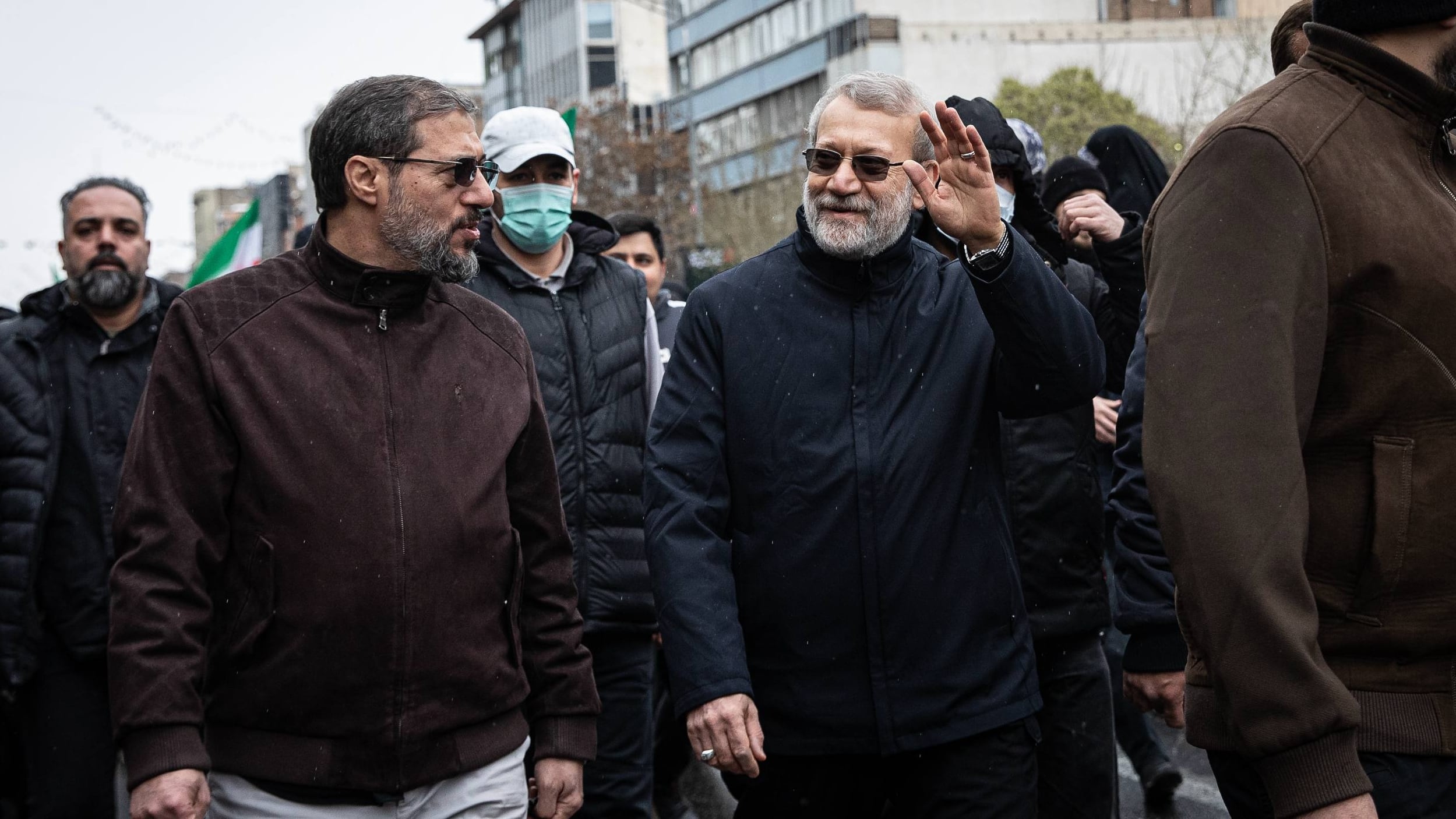
Israel and the United States have launched a major military operation targeting the highest levels of Iran’s leadership. During a recent bombing raid, Israeli forces targeted Ali Larijani, the head of Iran’s National Security Council, and Gholamreza Soleimani, a top commander of the Basij paramilitary group. Intelligence reports suggest that Larijani was killed in the strike, while the military has confirmed the death of Soleimani. This escalation marks a significant turning point in the conflict that began just over two weeks ago.
Main Impact
The primary impact of this operation is the potential removal of Ali Larijani from the Iranian government. Larijani is considered one of the most influential decision-makers in the country. His death would represent the most significant loss for the Iranian leadership since the start of the current war. By targeting such high-ranking officials, Israel and the U.S. are signaling a shift in strategy, moving from attacking military sites to directly removing the people who run the country’s security and defense systems.
Key Details
What Happened
The military operation took place overnight and involved heavy bombing in specific areas. The main goals were to eliminate Ali Larijani and Gholamreza Soleimani. According to Israeli public television, intelligence officials believe Larijani did not survive the attack. Soleimani, who led the Basij forces, was also a major target because his group is responsible for maintaining internal control and suppressing protests within Iran. Following these strikes, the military announced more attacks against targets in both Iran and Lebanon.
Important Numbers and Facts
The war between the U.S.-Israeli alliance and Iran is now in its third week. It was launched approximately 15 days ago by U.S. President Donald Trump and Israeli Prime Minister Benjamin Netanyahu. In response to the latest bombings, Iran launched a series of missiles toward Israeli territory. Additionally, the U.S. Embassy in Baghdad faced a massive attack involving rockets and drones. This was reported as one of the most intense strikes on the embassy since the conflict began. Due to the danger in the skies, the United Arab Emirates (UAE) had to stop all flights and close its airspace for a period of time.
Background and Context
To understand why this matters, it is important to know who these leaders are. Ali Larijani has been a central figure in Iranian politics for many years. He helps set the country's security policies and manages its relationships with other nations. Gholamreza Soleimani led the Basij, a large group of volunteer soldiers who work under the Revolutionary Guard. The Basij are known for being very loyal to the government and are often used to stop any form of public disagreement or protest. By removing these two men, Israel and the U.S. hope to weaken Iran’s ability to plan military moves and control its own population.
Public or Industry Reaction
The reaction across the Middle East has been one of high alarm. The United Arab Emirates took the rare step of closing its airspace, which shows how dangerous the region has become for international travel. In Iraq, the attack on the U.S. Embassy has raised fears that the country will be pulled deeper into the fight between Washington and Tehran. Oil markets and international businesses are also watching closely, as any disruption in the Persian Gulf can lead to higher prices and economic problems worldwide. Many regional leaders are calling for a stop to the violence, but the fighting continues to grow more intense.
What This Means Going Forward
The situation is likely to get worse before it gets better. Iran has already shown that it will fight back by launching missiles at Israel and attacking U.S. interests in Iraq. With the loss of top leaders, the Iranian government may feel forced to respond with even more force to show it is still strong. There is a high risk that other groups and countries in the region will join the fight. The next steps will likely involve more air strikes and potentially more attempts to remove high-level officials on both sides. International diplomats are worried that a full-scale regional war is now more likely than ever.
Final Take
The targeting of Ali Larijani and Gholamreza Soleimani is a bold and risky move that changes the nature of this conflict. It moves the war from the borders and military bases directly into the heart of the Iranian government. While these strikes may weaken Iran's leadership in the short term, they also make a peaceful solution much harder to reach. The coming days will be critical in determining if this war stays between a few nations or spreads across the entire Middle East.
Frequently Asked Questions
Who is Ali Larijani?
Ali Larijani is a top Iranian official who serves as the Secretary of the National Security Council. He is one of the most powerful people in Iran and helps make major decisions about the country's defense and foreign policy.
Why did the UAE close its airspace?
The United Arab Emirates closed its airspace because of a wave of Iranian missile and drone attacks in the region. This was done to ensure the safety of commercial airplanes and passengers during the heavy fighting.
What is the Basij?
The Basij is a paramilitary group in Iran that is part of the Revolutionary Guard. They are used for internal security, helping the government control the public and responding to threats within the country.