
Summary
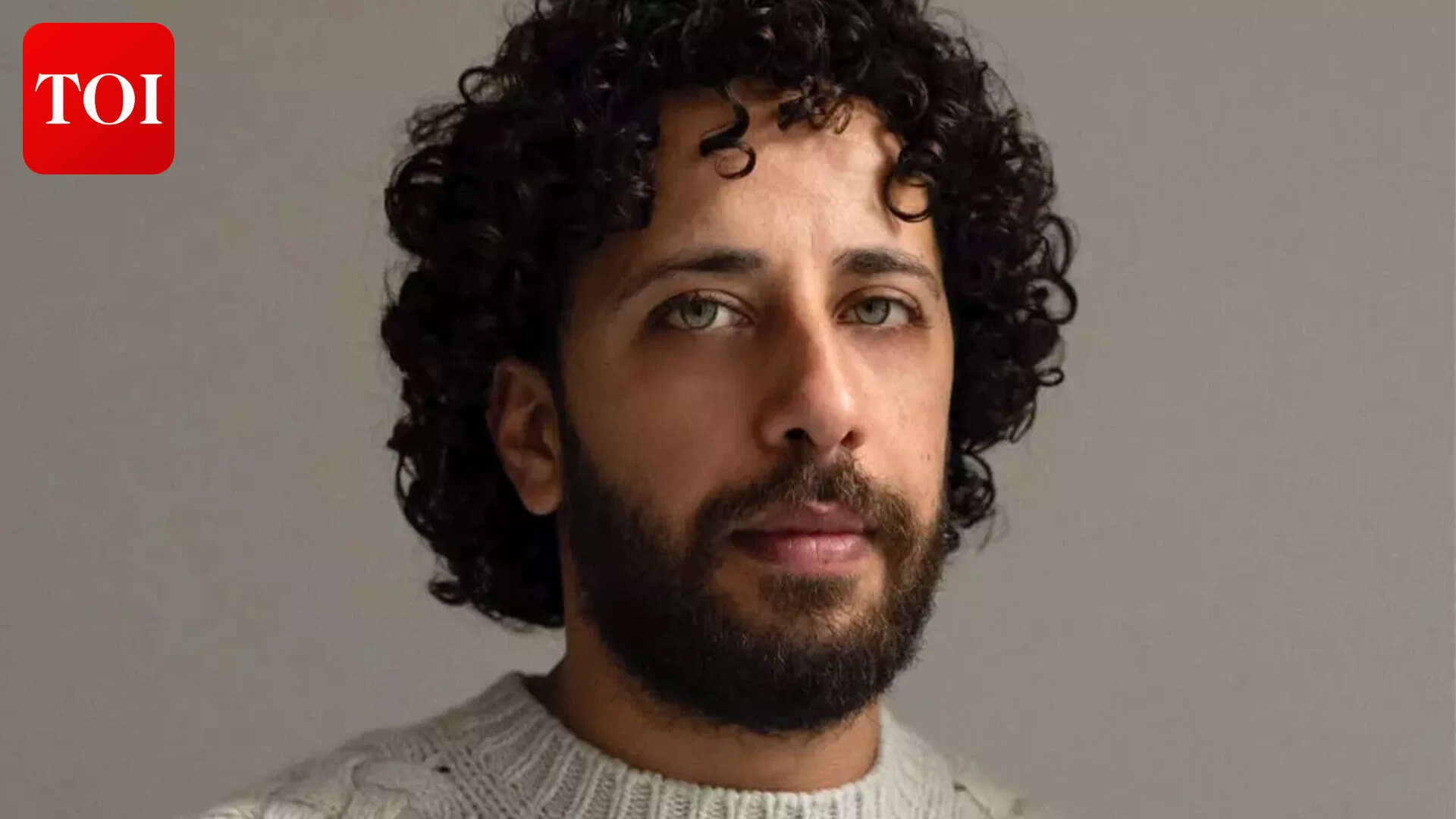
Palestinian actor Motaz Malhees will not be able to attend the Academy Awards this year. His film, titled "The Voice of Hind Rajab," has received a nomination, but the actor was denied entry into the United States. The movie tells the heart-wrenching story of a young girl’s final moments during the conflict in Gaza. This situation has sparked a conversation about the barriers faced by artists from war-torn regions who are recognized for their work but cannot celebrate their success in person.
Main Impact
The decision to deny Motaz Malhees entry to the U.S. has a significant impact on the representation of Palestinian stories in global media. While the film industry is honoring the story of Hind Rajab, the person who helped bring that story to life is being kept away from the ceremony. This creates a difficult situation where the art is welcomed, but the artist is not. It highlights the ongoing travel restrictions and political hurdles that continue to affect people from the Middle East, even those involved in high-profile cultural events.
Key Details
What Happened
Motaz Malhees was prepared to travel to Los Angeles for the Oscars ceremony. As a lead figure in a nominated project, his presence was expected on the red carpet. However, his travel documents or visa request did not receive approval from U.S. authorities. This prevented him from joining his colleagues and the international film community. The film itself is a short but powerful piece that focuses on the real-life tragedy of a six-year-old girl named Hind Rajab.
Important Numbers and Facts
The film is based on events that took place in early 2024. Hind Rajab was six years old when she became trapped in a car in Gaza City. She remained on the phone with emergency services for several hours while surrounded by danger. Her story gained international attention when the audio of her pleas for help was released. It took 12 days before rescuers could reach the site, where they found that Hind and her family members had passed away. The nomination of this film marks a rare moment where a specific Palestinian tragedy is highlighted at the highest level of the film industry.
Background and Context
To understand why this film is so important, one must look at the story of Hind Rajab. In January 2024, Hind was fleeing Gaza City in a car with her aunt, uncle, and cousins. The car came under fire, and Hind was the only one left alive for a period of time. She used a cell phone to call the Palestinian Red Crescent Society. For over three hours, she spoke to dispatchers, telling them she was afraid and asking them to come get her. An ambulance was sent to save her, but it was also struck. The story became a symbol of the civilian cost of the war. Motaz Malhees and the film crew worked to turn this audio and the surrounding events into a cinematic experience to ensure the world would not forget what happened to the young girl.
Public or Industry Reaction
The news that Malhees cannot attend the Oscars has caused a stir among film fans and human rights groups. Many people feel that it is unfair to nominate a film about a tragedy while preventing the actors involved from speaking about it. On social media, supporters have called for the Academy to take a stand or help the actor secure travel permission. Within the film industry, there is a growing debate about how international awards shows should handle guests from countries facing conflict. Some argue that these events should be a neutral space where art can be celebrated regardless of a person's passport or place of birth.
What This Means Going Forward
This incident may lead to changes in how film festivals and award bodies support their international nominees. If talented individuals cannot attend these events, the industry loses a chance for real dialogue. For Motaz Malhees, missing the Oscars is a personal and professional blow, but it also brings more attention to his film. The controversy surrounding his travel ban might actually lead more people to watch "The Voice of Hind Rajab." In the future, there will likely be more pressure on governments to allow artists to travel for major cultural milestones, especially when their work deals with important human rights issues.
Final Take
The absence of Motaz Malhees from the Oscars is a reminder that the world of cinema is never truly separate from the world of politics. While the film "The Voice of Hind Rajab" aims to give a voice to the voiceless, the actor’s inability to travel shows that many voices are still being restricted. Even without his presence on the stage, the power of the story remains. The film serves as a lasting tribute to a young life lost, and the global recognition it has received ensures that Hind Rajab’s story will continue to be heard by audiences everywhere.
Frequently Asked Questions
Who is Motaz Malhees?
Motaz Malhees is a Palestinian actor known for his role in the film "The Voice of Hind Rajab." He has been recognized for his work in bringing emotional and difficult stories from his homeland to a global audience.
Why was he not allowed to attend the Oscars?
He was denied entry into the United States. While specific reasons for visa denials are often kept private by immigration authorities, it is common for individuals from conflict zones to face significant travel hurdles.
What is the film 'The Voice of Hind Rajab' about?
The film is a dramatization and tribute to Hind Rajab, a six-year-old girl who died in Gaza after being trapped in a car. It focuses on her final phone calls and the efforts made to save her, highlighting the human impact of the war.



