
Summary
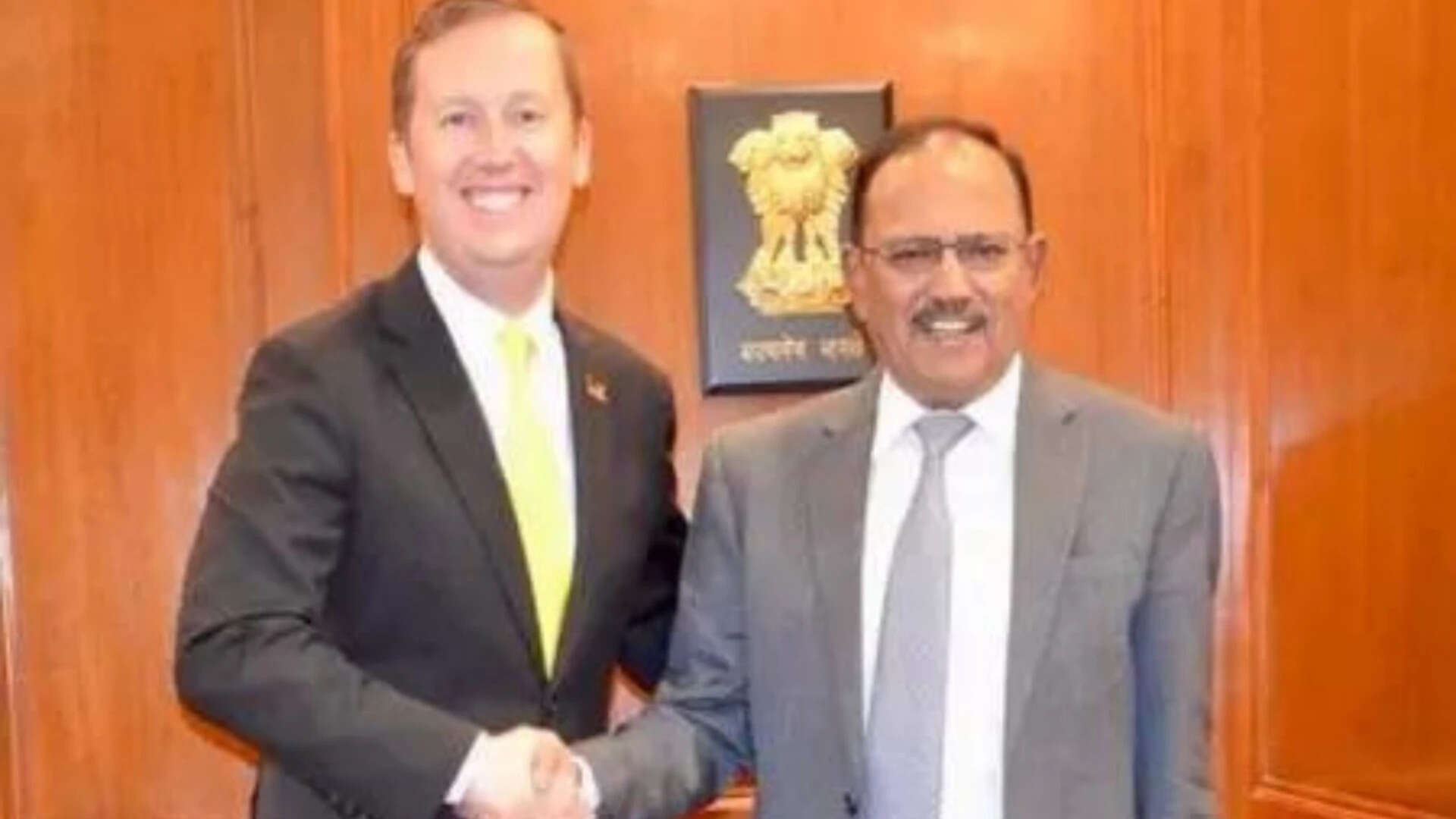
India’s National Security Advisor, Ajit Doval, recently held a high-level meeting with Philip Gordon, a top security official from the United States. The two leaders met to talk about important global issues and how their countries can work together more closely. This meeting is a key part of the ongoing effort to strengthen the bond between India and the U.S. By discussing security and technology, both nations hope to create a more stable and safe environment in their part of the world.
Main Impact
The main result of this meeting is the continued growth of the partnership between India and the United States. When two powerful nations align their goals, it changes how other countries interact with them. This meeting focused on making sure that both countries are on the same page regarding regional safety. It also pushes forward plans for sharing advanced technology, which can help create jobs and improve security tools. This cooperation acts as a shield against global instability and helps both nations face common challenges with more confidence.
Key Details
What Happened
The meeting took place in New Delhi, where Ajit Doval welcomed Philip Gordon, who serves as the National Security Advisor to the U.S. Vice President. They spent time talking about the current state of the world, focusing on areas where both countries have interests. A major part of their talk was about the "Initiative on Critical and Emerging Technology," often called iCET. This is a special plan that helps the two countries share secrets and tools in fields like space travel and computer science.
Important Numbers and Facts
The discussions covered several specific areas that are vital for the future. They looked at the progress made since the iCET was first launched a couple of years ago. The leaders talked about increasing the production of defense equipment and making sure that supply chains for computer chips remain steady. While specific dollar amounts were not the focus of this particular meeting, the overall trade and defense relationship between the two countries is worth billions of dollars. The meeting also served as a way to prepare for future visits by even higher-ranking officials from both governments.
Background and Context
To understand why this meeting matters, it is helpful to look at the history of India and the U.S. For a long time, the two countries were friendly but did not always work closely on military or high-tech projects. In recent years, that has changed. Both nations now see that they have similar goals, especially in the Indo-Pacific region. They want to make sure that sea routes stay open for trade and that no single country has too much power over others. This shared vision has turned them into "strategic partners," meaning they trust each other with important information and long-term plans.
Public or Industry Reaction
People who follow international politics have reacted positively to these talks. Experts say that regular meetings between security advisors show that the relationship is becoming more professional and less about individual events. In the tech industry, business leaders are happy to see progress on the iCET. They believe that if the governments make it easier to share technology, companies in both India and the U.S. will find it easier to innovate. Some observers noted that these meetings help clear up any small misunderstandings that might happen between the two large democracies.
What This Means Going Forward
Looking ahead, we can expect to see more joint projects between India and the U.S. This might include building jet engines together or launching satellites as a team. The focus will likely stay on "de-risking," which is a simple way of saying they want to make sure they don't rely too much on any one country for essential goods. There will also be more focus on artificial intelligence and how to use it safely. As these two nations continue to talk, their military and tech sectors will likely become more connected, making it harder for outside threats to disrupt their peace.
Final Take
The meeting between Ajit Doval and Philip Gordon is more than just a formal chat. It is a sign that India and the United States are building a long-term friendship based on mutual respect and shared needs. By focusing on technology and security today, they are setting the stage for a safer and more prosperous future for both their citizens. This partnership is now a central part of how the world works, and it shows no signs of slowing down.
Frequently Asked Questions
Who is Ajit Doval?
Ajit Doval is the National Security Advisor of India. His job is to advise the Prime Minister on matters related to national security and international policy.
What is the iCET?
The Initiative on Critical and Emerging Technology (iCET) is a partnership between India and the U.S. to work together on advanced tech like AI, space exploration, and semiconductors.
Why is the Indo-Pacific region important?
The Indo-Pacific is a huge area of the ocean where a lot of the world's trade happens. India and the U.S. want to keep this area free and open so that all countries can trade safely.



