Elmer Saflor, the artist behind the viral “Running Away Balloon” comic, never expected that his deeply personal illustration would end up as a commercial template inside an AI meme generator. But that’s exactly what happened – and now he’s taking the company to court.
From personal expression to viral meme – without permission
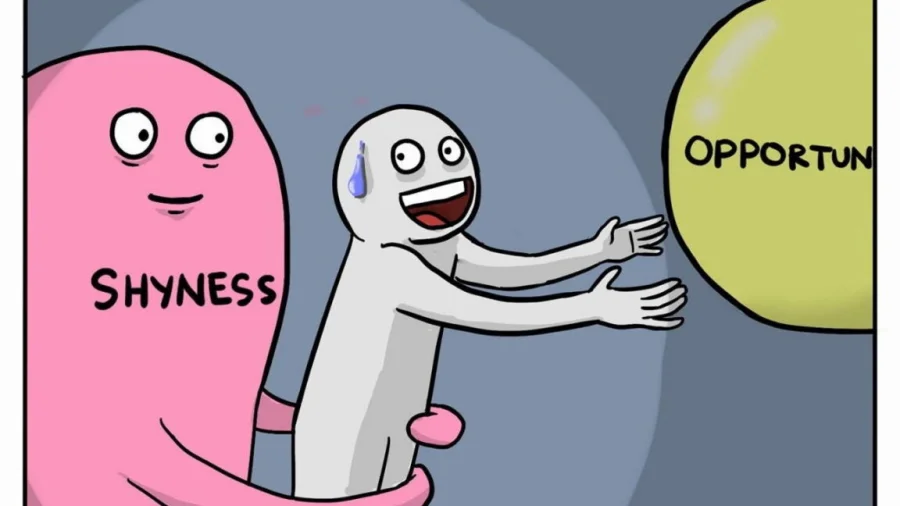
In 2017, Saflor – known online as Superelmer – drew a simple, poignant comic: a character running away from a heart-shaped balloon that says “Please come back.” The image resonated with millions, becoming one of the internet’s most shared memes about heartbreak and longing. Saflor told Ars that he loved seeing people connect with his work. But recently, he discovered that an AI meme generator had added his comic as a paid template for users to create advertisements. “Just because lots of people have copied it, that doesn’t mean it’s OK for an AI meme generator to commercialize my copyrighted meme,” he said.
Why this lawsuit matters for every creator
This case strikes at the heart of a growing crisis: AI platforms scraping and monetising original artwork without a licence. For independent artists like Saflor, viral success often means their work spreads without control – but when a company turns that work into a revenue stream, it crosses a legal and ethical line. The outcome could set a precedent for how AI platforms must handle copyrighted memes, which are often assumed to be free for anyone to use.
The background: how a 2017 comic became an AI ad template
Superelmer’s “Running Away Balloon” first appeared on his Tumblr page and quickly spread across Reddit, Twitter, and messaging apps. By 2020, it was a staple of breakup memes. Saflor never registered formal copyright? Actually, he did? The original story doesn’t specify, but US copyright law protects original works the moment they are created and fixed in a tangible medium. The AI generator likely used the comic from publicly available images, but that does not grant a commercial licence.
Who is affected: artists whose work becomes AI training data
Saflor is not alone. Countless visual creators have found their illustrations, photographs, and designs repurposed by AI tools without credit or compensation. For those who earn a living through licensing or print sales, platforms that productise their work erode their income. More importantly, it removes the creator’s right to say yes or no – a fundamental principle of copyright law.
What the AI meme generator says – and what the artist demands
At the time of writing, the specific AI meme generator has not been named in the public record. Saflor’s attorney has reportedly sent a cease-and-desist letter and filed a lawsuit seeking damages and an injunction. The company has not yet responded publicly. The artist wants the template removed and an acknowledgment that the work was used without authorisation. He is not opposed to people sharing the meme – only to its commercial exploitation by a third party.
The legal landscape: copyright meets AI automation
US copyright law gives creators exclusive rights to reproduce, distribute, and display their work. The key question in this case is whether an AI platform’s use of a meme as a paid template qualifies as “transformative” fair use. Courts have generally been sceptical of commercial services that simply repackage existing copyrighted content. If the AI generator is found to have infringed, it could face statutory damages up to $150,000 per work.
Confirmed facts vs what remains unclear
Confirmed: Saflor created the comic in 2017. It became a viral meme. An AI meme generator added it as a paid ad template. Saflor is suing. Unclear: The exact name of the AI generator, the number of times the template was used, the amount of money generated, and whether the company will argue fair use.
Risks and balanced view
Critics might argue that memes, by their nature, are meant to be freely shared and remixed, and that a lawsuit could chill creative expression online. However, Saflor’s case is not about stopping sharing – it’s about stopping a for-profit business from selling his art without permission. If the court sides with the AI generator, it could weaken copyright protections for all digital artists whose work becomes viral.
The wider pattern: AI platforms and the creator economy
This lawsuit is part of a broader wave of legal challenges against AI companies. Getty Images sued Stability AI. Authors have sued OpenAI. Musicians are fighting voice-cloning services. Saflor’s case is unique because it involves a meme – something many people assume is free to use – but the principle is the same: creators deserve control over how their work is commercialised, even when it becomes a cultural phenomenon.
What artists and meme creators should do now
If you create original content that goes viral, consider registering your copyright (in the US) to qualify for statutory damages. Document when and where you first published the work. Monitor AI platforms and meme generators for unauthorised commercial use. If you find your work being sold, contact a lawyer versed in intellectual property and AI law. Also, speak out – public pressure can help change industry practices.
Future outlook: what could happen next
The lawsuit is in its early stages. If it proceeds to trial, a ruling in Saflor’s favour could prompt AI meme generators to overhaul their content sourcing policies. Some may begin licensing memes from creators or implementing opt-in systems. Conversely, a ruling for the company could embolden more AI platforms to commercialise viral content without permission. Either way, the case will be closely watched by artists, tech companies, and copyright scholars.
Our Take
The “Running Away Balloon” comic is a deeply personal work for Saflor, and his fight is about more than money. It’s about the dignity of creative labour in an age when AI can replicate and monetise anything it finds online. This case deserves attention because it tests whether copyright law can keep pace with technology – and whether a viral meme can ever truly belong to its creator once it escapes into the wild. Saflor’s courage in suing an AI platform sets an important marker for other artists.
Frequently Asked Questions
Can an AI meme generator legally use a viral meme as a paid template?
Not without the copyright owner’s permission. Using someone else’s work for commercial purposes typically requires a licence. The AI generator may argue fair use, but courts usually consider commercial use against fair use.
What is the “Running Away Balloon” meme?
It’s a comic by Elmer Saflor (Superelmer) showing a character running away from a heart-shaped balloon that says “Please come back.” It became popular on social media around 2017 as a symbol of heartbreak.
What can I do if an AI company uses my art without permission?
First, document the infringement. Then send a cease-and-desist letter. If the company profits from your work, consult an intellectual property lawyer. Registering your copyright early helps you claim statutory damages.
Is sharing memes illegal?
Sharing a meme for personal, non-commercial use is generally considered acceptable, though technically copyright law applies. But selling a meme as an ad template – or profiting from it – crosses the line into copyright infringement without permission from the creator.