
Summary
Ahmedabad is currently facing a major shortage of domestic gas cylinders, leaving many households in a difficult situation. Families who rely on Liquefied Petroleum Gas (LPG) for their daily cooking are finding it nearly impossible to get refills on time. This crisis has forced many residents to change their daily routines and look for expensive alternatives. The shortage is not just a minor inconvenience; it is a significant problem that affects the health and finances of thousands of people across the city.
Main Impact
The primary impact of this shortage is felt in the kitchen, which is the heart of every Indian home. Without a steady supply of gas, housewives are unable to prepare fresh meals for their families. This has led to a sudden increase in people buying food from hotels and restaurants. For a middle-class family, eating out every day is not a sustainable option because it is very expensive. Additionally, the lack of home-cooked food is causing concerns about nutrition and health, especially for children and the elderly who need simple, clean meals.
Key Details
What Happened
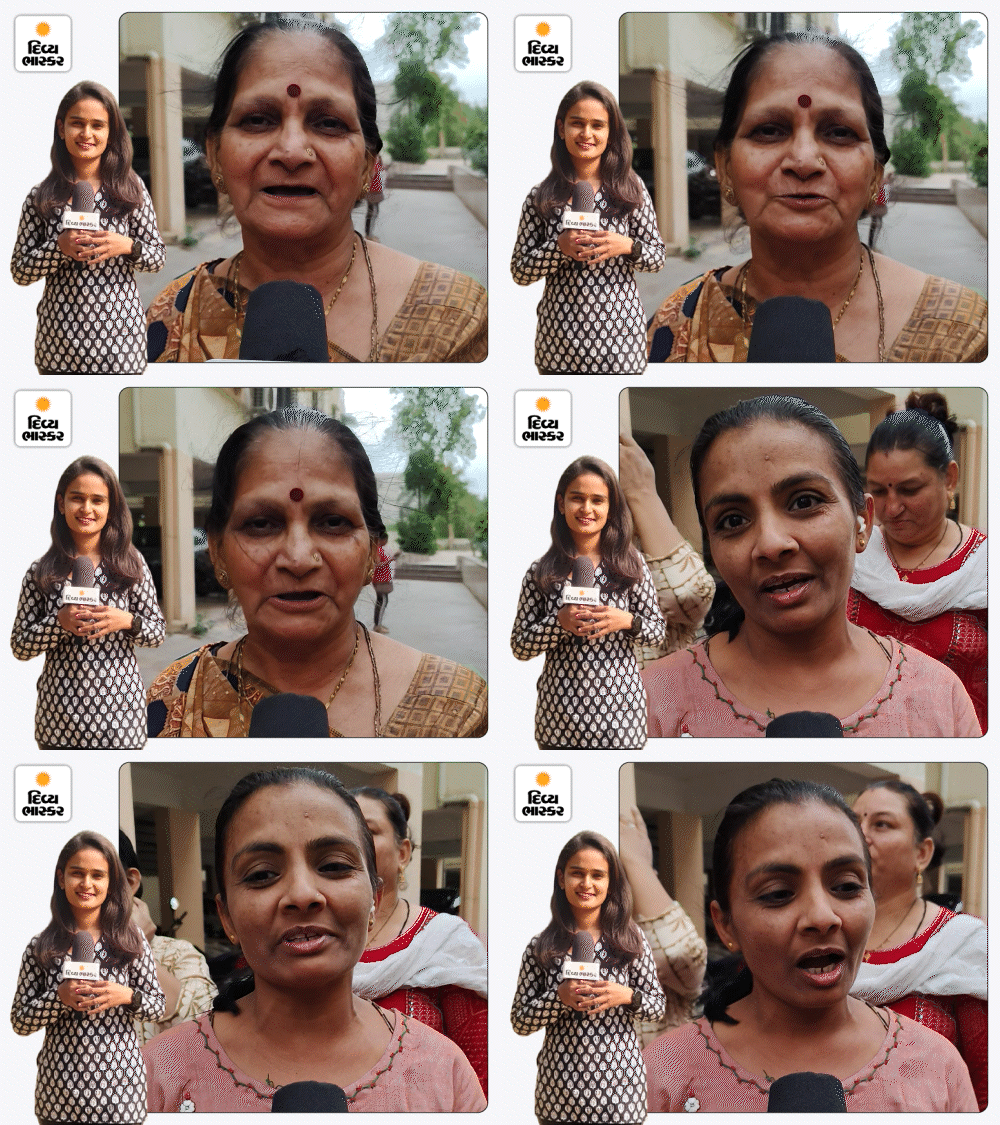
In recent weeks, the supply of domestic gas cylinders in Ahmedabad has slowed down significantly. Many local gas agencies are reporting that they do not have enough stock to meet the high demand. When residents call to book a new cylinder, they are often told that they must wait for several days or even weeks. This delay has created a sense of panic among citizens who do not have a backup plan for cooking. The situation has become so bad that many women have started speaking out publicly about their daily struggles.
Important Numbers and Facts
While exact numbers on the supply gap are still emerging, thousands of households in Ahmedabad are currently on waiting lists. Most families in the city live in modern apartments or flats where using traditional fuels like wood or coal is strictly prohibited. This means they are 100% dependent on LPG. The cost of a single meal for a family of four at a basic local hotel can be more than the cost of cooking at home for several days. This financial pressure is mounting as the shortage continues without a clear end date.
Background and Context
In the past, many homes used traditional "chulhas" or wood-burning stoves. However, as cities like Ahmedabad grew, people moved into high-rise buildings and flats. These modern homes are designed for gas stoves and do not have the ventilation or space required for burning wood or coal. Furthermore, using wood stoves creates a lot of smoke, which is not allowed in residential complexes. This total shift to clean energy means that when the gas supply stops, the entire kitchen stops working. The current crisis highlights how vulnerable urban families are when basic utility services are disrupted.
Public or Industry Reaction
Local housewives have expressed deep frustration over the current state of affairs. Many have pointed out that they cannot simply "switch off" the hunger of their family members. One resident mentioned that while the government encourages modern living, the basic infrastructure to support it is failing. There is a growing demand for the authorities to look into the supply chain and find out where the bottleneck is occurring. Some believe that the shortage might be due to distribution issues or a sudden spike in demand that agencies were not prepared for. People are asking for transparency and a quicker delivery system to restore normalcy.
What This Means Going Forward
If the gas shortage is not resolved quickly, it could lead to a larger social and economic issue. Families may have to cut back on other essential expenses to afford the high cost of hotel food. There is also a risk that people might try to use unsafe cooking methods in cramped apartments, which could lead to fire hazards. Moving forward, gas companies and local authorities need to work together to ensure that the supply chain is more resilient. This might involve increasing local storage capacity or improving the digital booking and tracking system so that residents know exactly when to expect their delivery.
Final Take
Access to cooking fuel is a basic necessity that should never be in short supply in a major city. The current struggle of Ahmedabad's residents shows that even small disruptions in the supply of gas can cause massive problems for the average person. It is essential for the relevant departments to take immediate action to refill the empty cylinders and bring relief to the thousands of kitchens that have gone cold. Ensuring a steady supply of energy is vital for the well-being and financial stability of every household.
Frequently Asked Questions
Why is there a gas cylinder shortage in Ahmedabad?
The shortage is mainly due to a gap between high demand and slow supply from distribution agencies. This has led to long waiting times for refills.
Can residents use traditional stoves as an alternative?
Most residents live in flats where using wood or coal stoves is not possible due to smoke, lack of space, and building safety rules.
How are families managing their meals during this crisis?
Many families are forced to buy expensive food from hotels or restaurants, which is putting a heavy financial burden on their monthly budgets.



