
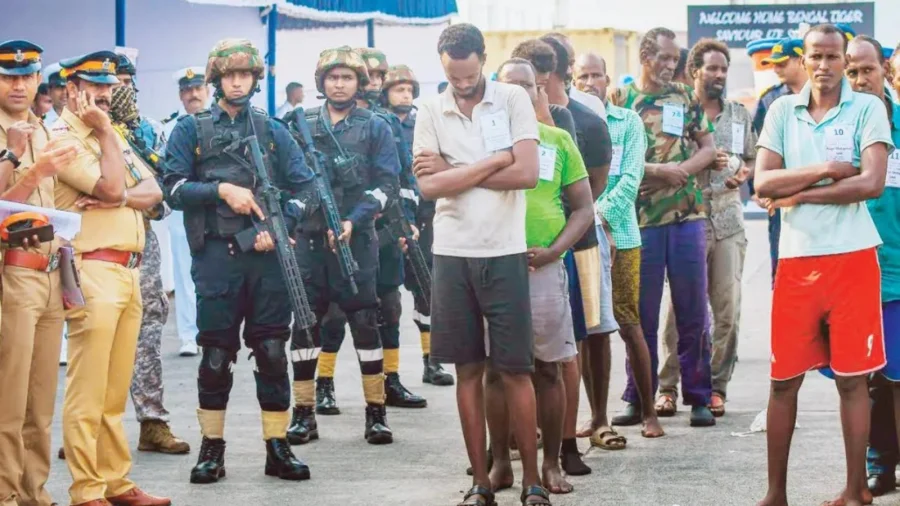
Forty-four Somali pirates, convicted and sentenced to life imprisonment in India, have now filed a petition seeking transfer to prisons in their home country. The move marks a significant turn in one of India's most high-profile piracy cases, raising complex questions about justice, diplomacy, and human rights.
Why these Somali pirates want to go home
The convicted pirates argue that serving their sentences in Somalia would allow them to be closer to their families and communities. Legal experts say such petitions are rare in India, especially for foreign nationals convicted of serious crimes like piracy. The request underscores the emotional and logistical challenges of incarceration far from home.
How the pirates ended up with life terms in India
The 44 pirates were captured by the Indian Navy and Coast Guard in a series of anti-piracy operations over the past decade. They were tried under Indian law, which treats maritime piracy as a serious offense. In 2023, a court in Gujarat sentenced them to life imprisonment, a verdict that was seen as a strong deterrent against piracy in the Indian Ocean region.
What this means for the pirates' families and communities
For the families of the convicted men, the distance has been a source of immense hardship. Limited consular access, high travel costs, and communication barriers have made it nearly impossible for them to maintain contact. A transfer to Somali prisons could restore some semblance of family connection, though prison conditions in Somalia remain a concern.
India's official stance on the transfer request
The Indian government has not yet publicly responded to the petition. However, officials have historically been cautious about repatriating foreign prisoners, especially in cases involving national security or maritime crime. Any decision would likely involve consultations with the Ministry of External Affairs, the Home Ministry, and the judiciary.
The legal and diplomatic hurdles ahead
India and Somalia do not have a formal prisoner transfer agreement. Such agreements typically require bilateral treaties, which can take years to negotiate. Even if the court approves the petition in principle, practical implementation would require diplomatic coordination, including assurances about humane treatment and security in Somali prisons.
Confirmed facts vs what remains unclear
What is confirmed: 44 Somali pirates were sentenced to life in India and have now filed a transfer petition. What remains unclear: the timeline for the court hearing, the Indian government's position, and whether Somalia has the capacity or willingness to accept the prisoners. All speculation about the outcome should be treated as such until official statements are made.
Risks and balanced view of the transfer request
Supporters of the transfer argue it is a humanitarian step that respects the prisoners' rights. Critics, however, warn that releasing the pirates to Somalia could undermine India's tough stance on maritime crime. There are also concerns about prison conditions in Somalia, where security and rehabilitation facilities may not meet international standards.
Wider trend: Piracy prosecution and repatriation globally
This case is part of a broader global conversation about how to handle convicted pirates. Many countries, including the US and European nations, have faced similar dilemmas. Some have opted for repatriation under strict conditions, while others insist on keeping convicts in their own prison systems to ensure accountability.
What readers should understand about this case
For those following the story, the key takeaway is that this is not just a legal matter but a human one. The petition highlights the often-overlooked consequences of international crime prosecution — what happens to convicts after the trial ends. It also underscores the need for clearer international frameworks for prisoner transfer.
What could happen next
The court is expected to hear the petition in the coming weeks. If approved, the Indian government may begin diplomatic talks with Somalia. If rejected, the pirates will continue serving their sentences in India, possibly with future appeals. Either way, the case will likely influence how India handles similar requests in the future.
Our Take
This case is a reminder that justice does not end with a verdict. The question of where and how convicts serve their sentences is equally important. While India's tough stance on piracy is understandable, the humanitarian dimension — especially the separation of prisoners from their families — cannot be ignored. A balanced approach that respects both the rule of law and basic human dignity would serve all parties well.
Frequently Asked Questions
Why are 44 Somali pirates seeking transfer to home prisons?
They have filed a petition in an Indian court requesting to serve their life sentences in Somalia, citing the desire to be closer to their families and communities.
What crime were the 44 Somali pirates convicted of?
They were convicted of maritime piracy in the Indian Ocean and sentenced to life imprisonment under Indian law.
Does India have a prisoner transfer agreement with Somalia?
No, India and Somalia do not currently have a formal prisoner transfer treaty, which could complicate the petition.
What happens if the court rejects the transfer petition?
The pirates will continue serving their life sentences in Indian prisons, though they may have the option to file further appeals.



