
More than 34 lakh registered voters in Haryana will not find their names in the state’s draft electoral rolls for 2026 — a move that has triggered political debate and public concern over potential disenfranchisement. Election officials confirmed on Thursday, 23 July, that the exclusions, amounting to 16.47 per cent of the electorate, are based on voters being identified as permanently shifted, deceased, absent, or duplicate entries.
Why 34 Lakh Voters Were Removed From Haryana’s Draft Rolls
According to the office of the Haryana chief electoral officer, 34.02 lakh voters — roughly one in every six registered voters — will be excluded from the Draft Electoral Roll-2026, which is scheduled for publication on 31 July. The deletions follow the Special Intensive Revision (SIR) enumeration exercise, a routine process aimed at cleaning electoral rolls by removing ineligible entries. Officials said the excluded voters were categorized as permanently shifted, deceased, absent, or duplicate entries.
What the SIR Exercise Means for Haryana Voters
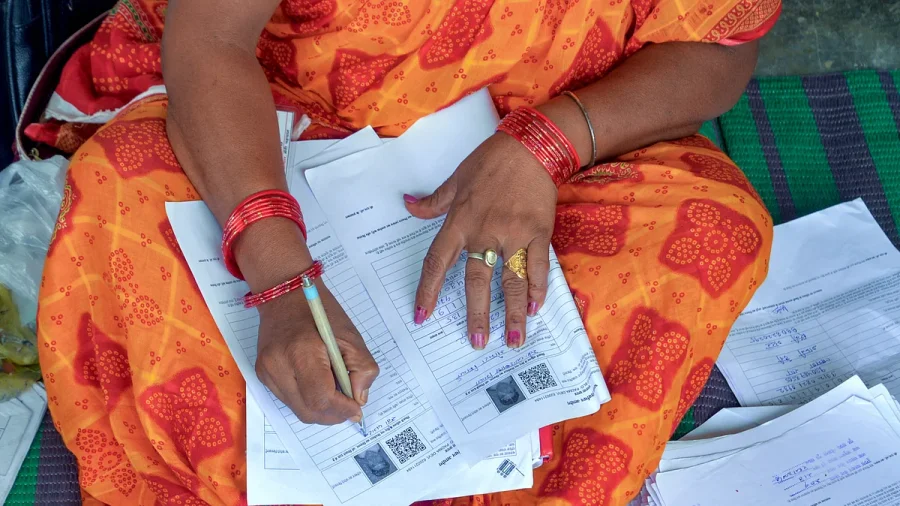
The SIR enumeration is a periodic revision conducted by the Election Commission of India (ECI) to ensure electoral rolls are accurate and up-to-date. For Haryana, the deadline for submitting SIR enumeration forms ends on 24 July — a day after the announcement. Voters who believe they have been wrongly excluded can file claims or objections during the revision period. The draft roll will be open for public inspection and feedback before the final roll is published.
Political Scrutiny and Allegations of Voter Deletion
The announcement comes amid heightened political scrutiny of the ECI’s SIR exercise, which has sparked allegations of large-scale voter deletions in several states. Opposition parties in Haryana have previously raised concerns about the removal of voters, particularly in constituencies with tight electoral margins. While officials maintain the deletions are based on objective criteria — such as death certificates, change of address records, and duplicate entries — critics argue that the process lacks transparency and could disenfranchise legitimate voters, especially in rural areas where documentation may be incomplete.
Who Is Affected by the Voter Exclusion in Haryana
The exclusion of 34 lakh voters affects a significant portion of Haryana’s electorate — roughly 16.47 per cent of all registered voters. This includes individuals who have moved to other states or districts, families of deceased voters whose names were not removed earlier, and those whose entries were flagged as duplicates. However, the scale of the deletion has raised questions about whether some voters may have been wrongly categorized, particularly those who have not updated their addresses or whose family members failed to report a death. For many, especially elderly voters and those in remote villages, the process of filing a claim or objection can be daunting.
Election Commission’s Response and Next Steps
The Haryana chief electoral officer’s office has stated that the draft roll will be published on 31 July, after which a period for claims and objections will follow. Voters can check their inclusion online or at designated polling stations. The ECI has urged voters to verify their names and file any corrections before the final roll is prepared. Political parties have been given access to the draft rolls to raise objections on behalf of affected voters. The final electoral roll is expected to be published ahead of the next assembly or parliamentary elections in the state.
Confirmed Facts vs What Remains Unclear
Confirmed: 34.02 lakh voters excluded from Draft Electoral Roll-2026; SIR deadline is 24 July; draft roll publication on 31 July; exclusions based on shifted, deceased, absent, or duplicate entries. Unclear: The exact breakdown of each category (how many were shifted vs deceased vs duplicate); whether any voters were wrongly excluded; the number of claims or objections expected; the political response from specific parties. All speculation about intentional disenfranchisement remains unverified.
Risks and Concerns Over Voter Disenfranchisement
While the ECI’s SIR exercise is intended to clean electoral rolls, the scale of deletions in Haryana — one in six voters — has raised concerns about potential errors. Critics point to past instances in other states where voters were wrongly removed due to mismatched addresses or incomplete documentation. For marginalized communities, including daily wage workers who move frequently, the risk of being wrongly categorized as “permanently shifted” is higher. Additionally, the burden of proof falls on the voter to file a claim, which may not be accessible to all. The ECI has not yet commented on whether any safeguards are in place to prevent wrongful deletions.
Wider Trend: Electoral Roll Clean-Up Across States
Haryana is not alone in facing scrutiny over voter deletions. Similar exercises in states like Maharashtra, Delhi, and West Bengal have sparked allegations of political manipulation, with parties accusing each other of targeting specific voter blocs. The ECI has consistently defended the SIR process as a neutral administrative exercise, but the lack of uniform transparency across states has fueled distrust. The Haryana case adds to the growing debate over the balance between electoral roll accuracy and voter access.
Practical Guidance for Haryana Voters
If you are a registered voter in Haryana, check your name on the draft electoral roll once it is published on 31 July. You can do this online via the ECI’s voter portal or at your local polling station. If your name is missing, file a claim or objection using Form 6 (for inclusion) or Form 7 (for objection) before the deadline. Keep documents like proof of address, identity, and any previous voter ID ready. Political parties and local election offices can assist with the process. For elderly or less mobile voters, family members can file on their behalf with proper authorization.
Future Outlook: What Happens Next in Haryana
The final electoral roll is expected to be published after the claims and objections period, likely within a few months. Political parties are expected to mobilize voters to check their names and file objections. The ECI may face pressure to review the deletion process if large-scale errors are reported. The outcome could influence voter turnout and electoral dynamics in Haryana’s next elections, especially in closely contested seats. For now, the focus remains on ensuring that every legitimate voter has a chance to be reinstated.
Our Take
The exclusion of 34 lakh voters from Haryana’s draft rolls is a significant administrative action that demands careful scrutiny. While the SIR exercise is a routine process, the scale — one in six voters — is unusually high and warrants a transparent explanation from the ECI. The burden of proof should not fall solely on voters, especially those in vulnerable communities. Political parties have a responsibility to assist affected voters rather than exploit the issue for partisan gain. Ultimately, the credibility of India’s electoral process depends on both accuracy and inclusivity — and this case tests that balance.
Frequently Asked Questions
Why were 34 lakh voters removed from Haryana’s draft electoral rolls?
They were removed because they were identified as permanently shifted to another location, deceased, absent from their registered address, or duplicate entries during the Special Intensive Revision (SIR) enumeration exercise.
How can I check if my name is on the Haryana draft electoral roll?
Once the draft roll is published on 31 July, you can check online on the Election Commission of India’s voter portal (voterportal.eci.gov.in) or visit your local polling station. You will need your voter ID number or personal details.
What should I do if my name is missing from the draft roll?
File a claim or objection using Form 6 (for inclusion) or Form 7 (for objection) at your local election office or online. You will need proof of identity and address. The deadline for filing will be announced after the draft roll publication.
Is this voter deletion politically motivated?
There is no confirmed evidence of political motivation. The Election Commission states the deletions are based on objective criteria like death records and address changes. However, opposition parties have raised concerns about transparency, and the issue remains under political scrutiny.

