
Summary
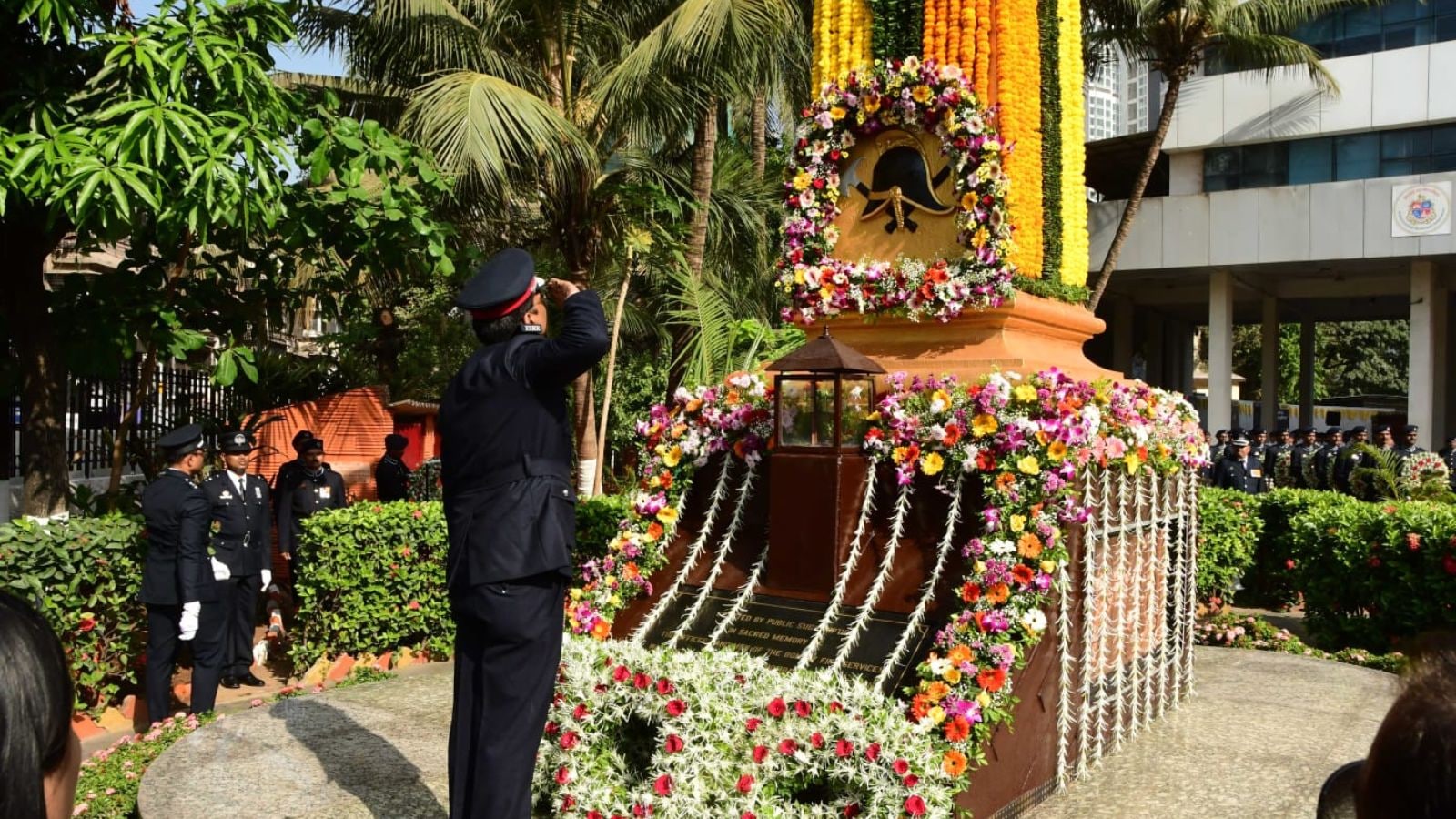
On April 14, 1944, a massive explosion rocked the Victoria Dock in Bombay, which is now known as Mumbai. A cargo ship named the SS Fort Stikine, carrying a deadly mix of explosives and cotton, caught fire and blew up. The disaster killed hundreds of people, destroyed dozens of ships, and left thousands homeless. Today, India observes National Fire Service Day and Fire Safety Week every April to honor the firefighters who died trying to stop the flames.
Main Impact
The 1944 Bombay explosion remains one of the most terrifying non-nuclear blasts in history. It did more than just damage a harbor; it changed how India handles fire safety and emergency response. The loss of 66 firefighters in a single afternoon forced the government to rethink safety rules for busy ports. This event is the reason why every year, from April 14 to April 20, schools, offices, and factories across India conduct fire drills and safety awareness programs.
Key Details
What Happened
The SS Fort Stikine was a British freighter that arrived in Bombay during the height of World War II. It was carrying a very dangerous cargo. Inside its hold were nearly 1,400 tons of explosives, including shells, torpedoes, and mines. Along with these weapons, the ship also carried hundreds of bales of raw cotton, oil, and even a large amount of gold bars meant for the bank.
In the mid-afternoon, a fire was spotted in the section where the cotton was stored. Firefighters rushed to the scene and pumped millions of gallons of water into the ship, but the fire was too deep inside. Because it was wartime, the ship was not moved away from the crowded dock. At 4:06 PM, the heat finally reached the explosives, causing a massive blast. A second, even larger explosion happened about 30 minutes later, sending burning debris and gold bars flying across the city.
Important Numbers and Facts
The scale of the disaster was hard to believe. Official records state that about 740 people died, but many historians believe the real number was over 1,300. Around 2,500 people were injured. The physical damage was also huge. The blast destroyed 28 ships in the harbor and burned down warehouses for miles. About 80,000 people lost their homes as fires spread through the nearby residential areas. One of the strangest facts from that day is that gold bars from the ship were found blocks away, some even crashing through the roofs of private houses.
Background and Context
During World War II, Bombay was a vital hub for the Allied forces. The port was always busy, and safety rules were often ignored to move supplies faster for the war effort. Storing highly flammable cotton right next to high-grade explosives was a major mistake. At the time, the British government tried to keep the full details of the explosion a secret to prevent the enemy from knowing how much damage had been done to the port. It took months of hard work to clear the wreckage and get the harbor running again.
Public or Industry Reaction
The people of Bombay were in total shock. The sound of the blast was heard over 50 miles away, and many thought the city was being attacked by Japanese planes. In the aftermath, the bravery of the Bombay Fire Brigade became a point of national pride. These men stayed at their posts even when they knew the ship could blow up at any second. Their sacrifice led to the creation of a unified fire safety code in India. The shipping industry also changed its rules, making sure that explosives and flammable materials like cotton are never stored together on the same vessel.
What This Means Going Forward
The memory of the 1944 disaster lives on through Fire Safety Week. Every April, fire departments across India hold demonstrations to teach the public how to prevent fires. It serves as a yearly check-up for safety equipment in high-rise buildings and factories. For Mumbai, the event is a reminder of the risks that come with being a major global port. Modern technology now helps monitor hazardous cargo, but the basic lessons of that day—quick evacuation and strict safety checks—remain the most important tools for saving lives.
Final Take
The Bombay explosion was a dark day that left a permanent mark on the city. While the docks have been rebuilt and the gold has been recovered, the lesson of the tragedy is clear: safety can never be sacrificed for speed. By observing Fire Safety Week every year, the country ensures that the hundreds of people who died that afternoon are remembered by keeping future generations safe.
Frequently Asked Questions
Why does India observe Fire Safety Week in April?
It is observed every April to honor the firefighters who lost their lives during the massive Bombay dock explosion on April 14, 1944. It is a time to promote fire prevention and safety awareness.
What caused the 1944 Bombay explosion?
The explosion was caused by a fire on the SS Fort Stikine. The ship was carrying a dangerous mix of cotton bales and over a thousand tons of explosives, which ignited and blew up in the harbor.
How many people died in the disaster?
The official death toll was around 740 people, including 66 firefighters. However, many experts believe the actual number of deaths was much higher because many people went missing or were not officially counted.



