
Summary
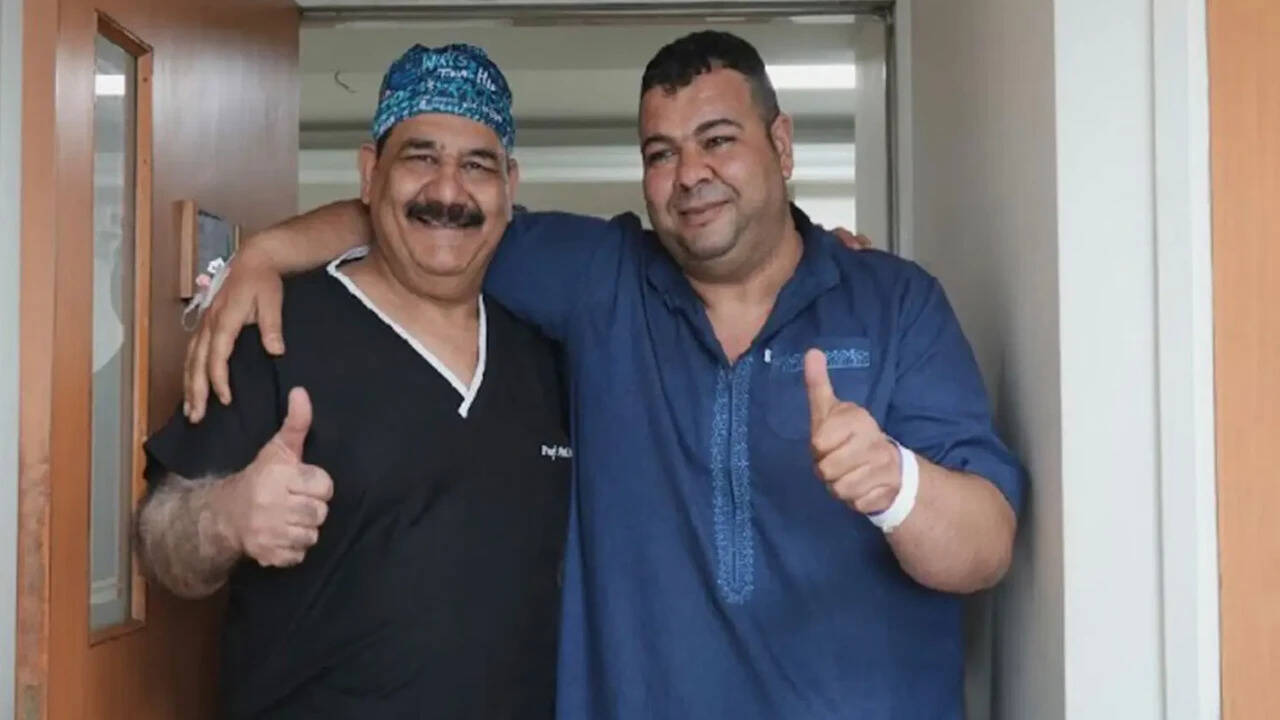
A 162-kilogram man from Iraq can walk again after a difficult hip replacement surgery at a hospital in Delhi. The patient, who had severe hip pain and could not move for months, needed a special procedure because of his heavy weight. Doctors used a custom-made implant and careful planning to make the surgery successful. The man is now recovering well and can walk with support.
Main Impact
The surgery allowed a man who was bedridden for months to stand and walk again. His weight of 162 kg made the operation risky and complex. Standard hip implants are not strong enough for such heavy patients. The success of this case shows that advanced medical care can help people with extreme weight problems who need joint replacement.
Key Details
What Happened
The patient, a 45-year-old man from Iraq, had been suffering from severe hip pain for over two years. His condition got worse, and he could not walk or even sit up without help. He came to a hospital in Delhi for treatment. Doctors found that his hip joint was badly damaged and needed to be replaced. But his weight of 162 kg made the surgery very challenging.
Important Numbers and Facts
The patient weighed 162 kilograms. A standard hip implant would not be strong enough to support his weight. Doctors used a special, larger implant made from strong materials. The surgery took about three hours. The patient stayed in the hospital for two weeks after the operation. He can now walk with a walker and is doing physiotherapy to regain strength.
Background and Context
Hip replacement is a common surgery where a damaged hip joint is replaced with an artificial one. But for very heavy patients, the risk of implant failure is higher. The extra weight puts more stress on the new joint. Surgeons must choose stronger implants and plan the surgery carefully. In this case, the patient's weight also made it harder to position him on the operating table and manage anesthesia. Such cases are rare but show the need for specialized care.
Public or Industry Reaction
The patient and his family are very happy with the result. They had tried treatment in other countries but could not find a solution. The hospital team said the case was one of the most challenging they had handled. Medical experts note that such surgeries require a skilled team and good planning. The success may encourage other heavy patients to seek treatment.
What This Means Going Forward
This case shows that even very heavy patients can benefit from hip replacement if the right implant and technique are used. It also highlights the need for more research on implants for heavier people. As obesity rates rise worldwide, more patients may need such specialized surgeries. Hospitals may need to prepare for more complex cases like this one.
Final Take
The successful surgery gave a man a new chance to walk and live normally. It proves that with the right medical team and technology, even the most difficult cases can have good outcomes. For patients with extreme weight, finding the right hospital and surgeon is key.
Frequently Asked Questions
Why is hip replacement harder for heavy patients?
Heavy patients put more stress on the artificial hip joint. Standard implants may break or loosen over time. Doctors need to use stronger, larger implants and plan the surgery more carefully to avoid problems.
How long does recovery take after hip replacement?
Most patients start walking with help within a day or two after surgery. Full recovery can take several weeks to months. Physiotherapy is important to regain strength and movement.
Can people with obesity get hip replacement surgery?
Yes, but the risks are higher. Doctors will check the patient's overall health and weight. They may recommend weight loss before surgery to reduce complications. In some cases, special implants and techniques are used.



