
Summary
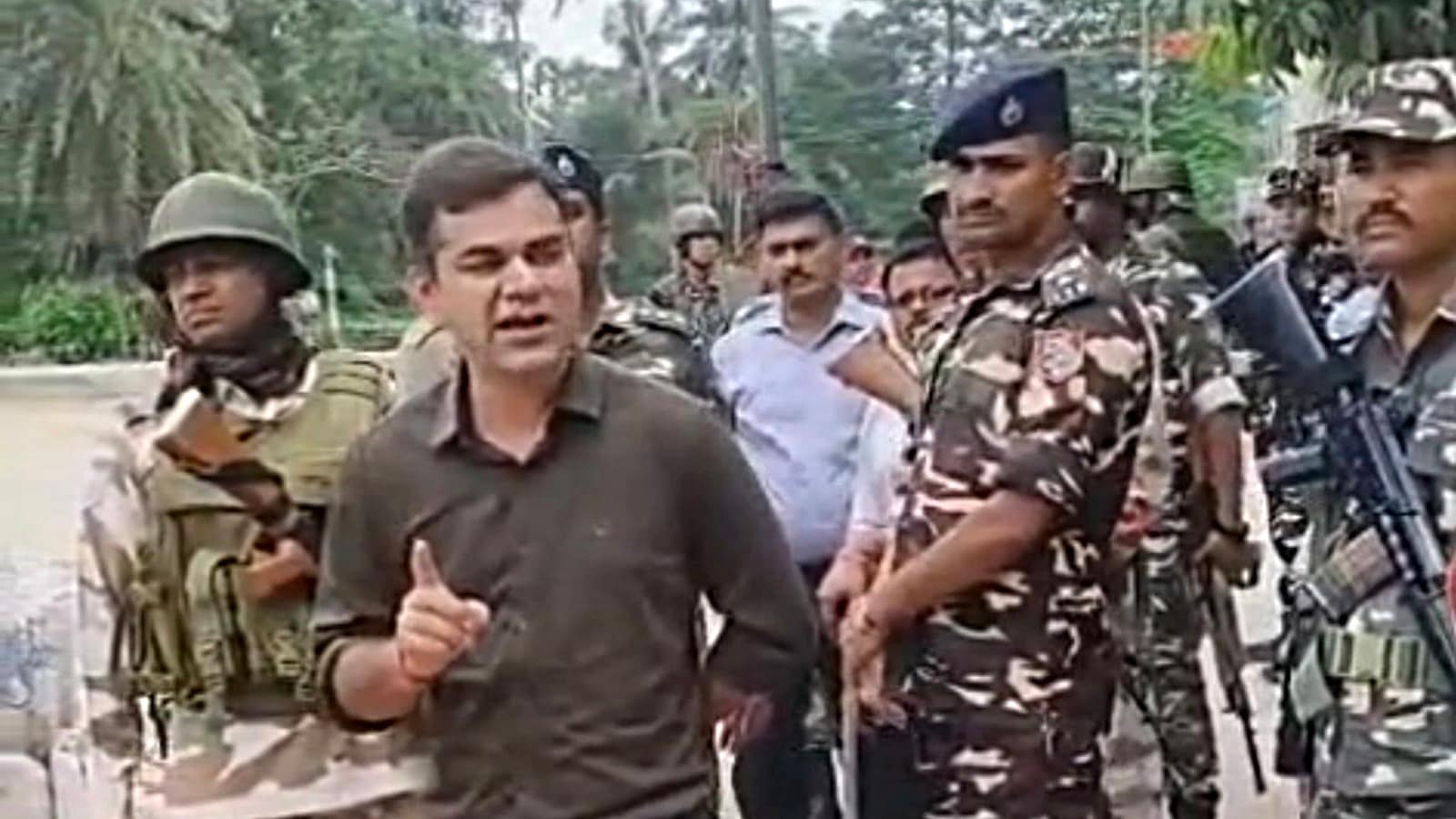
A high-ranking police officer from Uttar Pradesh, often called one of Chief Minister Yogi Adityanath’s most trusted officials, has been sent to West Bengal. He is serving as a Police Observer for the ongoing elections. Upon his arrival, he sent a very clear and stern message to a candidate from the Trinamool Congress (TMC). The officer warned the politician to follow the rules strictly, using the phrase "understand this very well." This move by the Election Commission aims to ensure that the voting process remains peaceful and fair in areas known for political tension.
Main Impact
The arrival of a "tough" officer from Uttar Pradesh has created a lot of talk in the political circles of West Bengal. For years, elections in this state have been marked by reports of violence, booth capturing, and clashes between party workers. By sending an officer known for his strict handling of crime and lawlessness, the Election Commission is sending a signal. The impact is twofold: it gives confidence to the common voters that they will be protected, and it serves as a warning to local "strongmen" who might try to disrupt the polling process. This deployment shows that the authorities are willing to use officers with a proven track record of maintaining order, even if they come from different states.
Key Details
What Happened
The incident took place during a routine check of election preparations. The Police Observer, identified as a senior officer with a reputation for being no-nonsense, met with several local leaders and candidates. During a conversation with a TMC candidate, the officer noticed some resistance or a lack of cooperation regarding security protocols. He did not use long speeches or complex legal threats. Instead, he looked the candidate in the eye and told him to "understand this very well" (Acchi tarah se samjh le). He made it clear that any attempt to break the law or influence voters through fear would lead to immediate and harsh action. The interaction was brief but left a strong impression on everyone present.
Important Numbers and Facts
The Election Commission has deployed thousands of central security personnel across West Bengal for the 2024 elections. In addition to these forces, special observers are appointed to oversee specific zones. This particular officer has a history of leading successful operations against organized crime in Uttar Pradesh. His presence in Bengal is part of a larger plan to monitor sensitive booths. Reports suggest that over 90% of the booths in certain districts have been labeled as "sensitive," meaning they require extra security. The officer's role is to ensure that local police and central forces work together without any political interference.
Background and Context
To understand why this matters, one must look at the history of elections in West Bengal. Unlike many other states, Bengal has often seen physical fights and even deaths during election season. Political parties often accuse each other of using "muscle power" to win seats. On the other hand, Uttar Pradesh has recently gained a reputation for a "zero-tolerance" policy toward criminals under its current government. The officer sent to Bengal is a key part of that system in UP. The Election Commission often moves officers from one state to another during polls to ensure there is no local bias. By picking an officer who is famous for being "Yogi’s favourite," the Commission is trying to bring a specific style of strict policing to a state that has struggled with election-related peace.
Public or Industry Reaction
The reaction to this development has been split along party lines. Members of the Bharatiya Janata Party (BJP) have welcomed the move. They argue that only an officer with a "tough" image can handle the situation in Bengal. They believe his presence will stop local leaders from intimidating voters. However, the Trinamool Congress (TMC) has expressed dissatisfaction. Some party members feel that bringing in an officer closely associated with the UP government is a political move. They claim it is an attempt to pressure their workers. Among the general public, there is a sense of curiosity. Many people are waiting to see if this "UP style" of policing will actually change the ground reality in Bengal during the final phases of voting.
What This Means Going Forward
In the coming days, we can expect to see more direct actions from the security forces. The warning given by the Police Observer suggests that the grace period for local politicians is over. If there are any reports of violence, the response is likely to be much faster and more severe than in previous years. This could set a new standard for how the Election Commission handles "problem states." If this approach works and the violence stays low, we might see similar deployments of famous "tough cops" in future elections across the country. The next few weeks will be a test of whether a single officer’s reputation can truly change the behavior of a large political machine.
Final Take
The presence of a high-profile officer from Uttar Pradesh in West Bengal is more than just a job assignment; it is a message of authority. By telling a candidate to "understand well," the officer has set a high bar for discipline. Whether this leads to a peaceful election or more political tension remains to be seen, but it has certainly changed the mood on the ground. The focus is now firmly on law and order, leaving little room for those who wish to bypass the rules.
Frequently Asked Questions
Who is the Police Observer mentioned in the news?
He is a senior IPS officer from the Uttar Pradesh cadre, known for his close working relationship with the UP government and his strict stance on crime.
Why was he sent to West Bengal?
The Election Commission appointed him as a Police Observer to oversee security and ensure that the elections are conducted without violence or illegal activities.
What does "Acchi tarah se samjh le" mean in this context?
It is a direct warning meaning "understand this very well." It was used to tell the candidate that no violations of the law would be tolerated during the election.



