Summary
The United States has officially ended its high-level peace talks with Iran in Islamabad, Pakistan. Vice President J.D. Vance announced the decision after more than 15 hours of intense discussions failed to reach a breakthrough. The main point of disagreement remains Iran's nuclear program and its refusal to meet specific American demands. As diplomatic efforts stall, the U.S. military has moved warships into the Strait of Hormuz, signaling a major shift in the ongoing conflict involving the U.S., Israel, and Iran.
Main Impact
The collapse of these negotiations marks a dangerous turning point in the regional war. For weeks, the international community hoped that the meetings in Islamabad would lead to a ceasefire or at least a reduction in fighting. Instead, the withdrawal of the American delegation suggests that a diplomatic solution is no longer on the table for now. This failure increases the likelihood of more military action. The decision to send warships through the Strait of Hormuz is a clear message of strength, showing that the U.S. is ready to use its navy to protect its interests and support its ally, Israel.
Key Details
What Happened
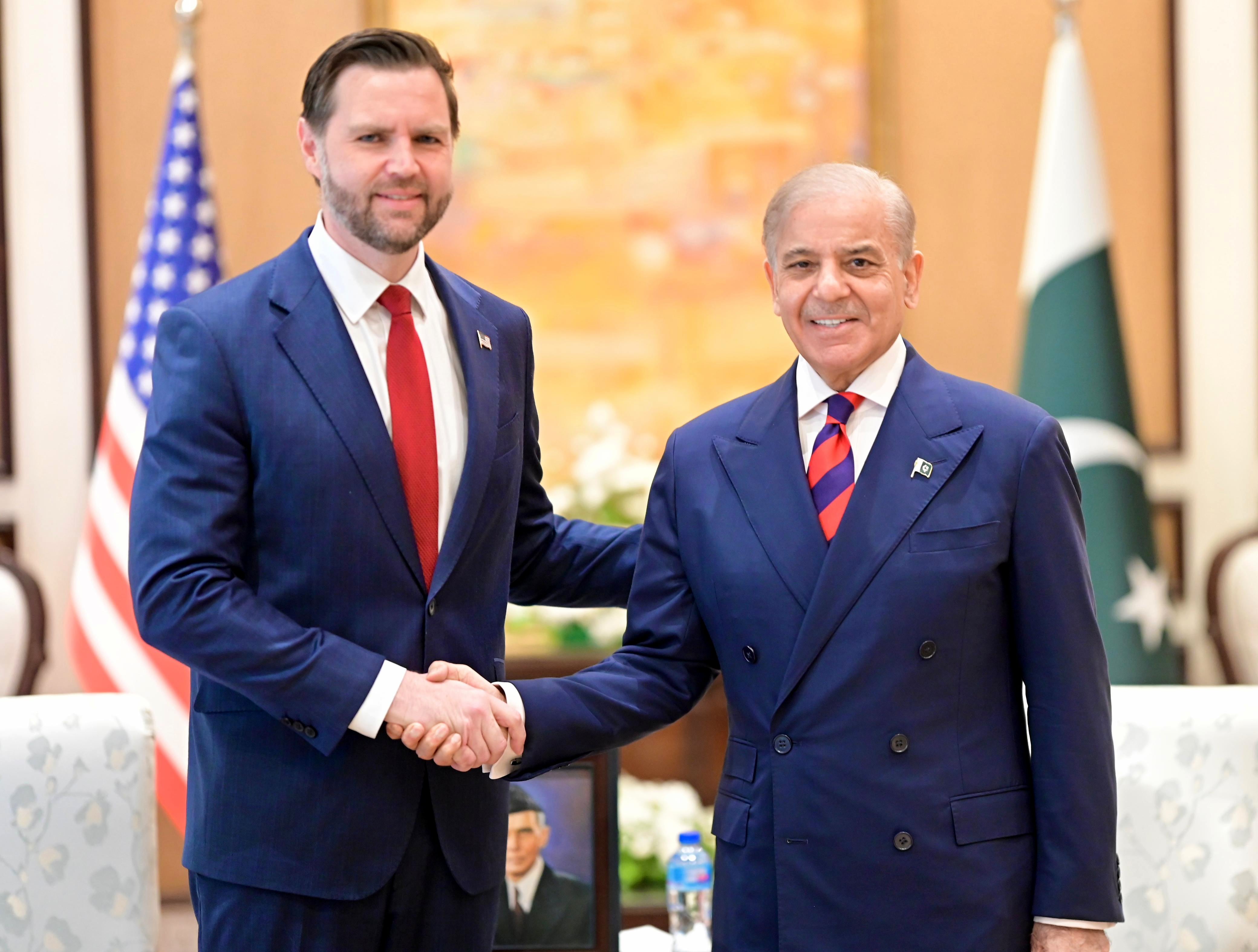
Vice President J.D. Vance spoke to the press in Islamabad to explain why the U.S. was leaving the talks. He stated that Iran chose not to accept the conditions set by Washington. The most critical issue was a demand for a clear and firm promise that Iran would not try to build or obtain nuclear weapons. Despite meeting for nearly a full day, the two sides could not find common ground. While the diplomats were talking, the U.S. Navy was active. Two American warships sailed through the Strait of Hormuz, a move that often causes high tension because Iran claims authority over those waters.
Important Numbers and Facts
The negotiations lasted for more than 15 hours before the U.S. decided to walk away. This was the first time since the start of the current war that U.S. warships have entered the Strait of Hormuz, which is one of the most important oil shipping routes in the world. President Donald Trump also commented on the situation from the White House, telling reporters that the U.S. is in a strong position regardless of whether the talks succeeded or failed. He expressed total confidence in the current strategy against the Iranian government.
Background and Context
The conflict between the U.S., Israel, and Iran has been growing for years, but it recently turned into a direct war. The U.S. and Israel have long argued that Iran is trying to build nuclear bombs, which they see as a threat to the entire world. Iran has always denied this, saying its nuclear work is for peaceful reasons like electricity. The Strait of Hormuz is a narrow waterway where a large portion of the world's oil passes every day. Because it is so narrow, any military movement there is seen as a major event. In the past, Iran has threatened to close the strait if it is attacked, which would cause global gas prices to rise and hurt the world economy.
Public or Industry Reaction
The Iranian government reacted quickly to the U.S. withdrawal. Officials in Tehran accused the United States of making "excessive demands" that no country would accept. They claimed that the U.S. was not looking for a fair deal but was instead trying to force Iran to give up its rights. Meanwhile, political experts note that the move through the Strait of Hormuz is a direct challenge to Iran’s military. Global markets are watching the situation closely, as any further fighting in the strait could disrupt shipping and trade. Supporters of the Trump administration have praised the firm stance, while critics worry that ending the talks could lead to a much larger and more violent war.
What This Means Going Forward
With diplomacy failing, the focus now shifts back to the battlefield and the sea. The U.S. and Israel are likely to increase pressure on Iran through both military force and economic rules. The presence of warships in the Strait of Hormuz suggests that the U.S. wants to ensure that trade continues, even if fighting gets worse. Iran may respond by increasing its military readiness or by trying to block other shipping routes. The next few days will be critical as both sides decide their next moves. Without a clear path to peace, the risk of the conflict spreading to other countries in the region remains very high.
Final Take
The end of the Islamabad talks shows that the gap between the U.S. and Iran is wider than ever. By walking away, the U.S. is signaling that it will not accept anything less than a total stop to Iran's nuclear goals. As warships move into sensitive waters, the world is waiting to see if this pressure will lead to a resolution or a much bigger fight.
Frequently Asked Questions
Why did the U.S. stop the peace talks?
The U.S. stopped the talks because Iran refused to agree to specific demands, especially the requirement to prove they are not seeking nuclear weapons. After 15 hours of meetings, the U.S. felt no progress was being made.
What is the significance of the Strait of Hormuz?
The Strait of Hormuz is a vital waterway for global oil shipping. The U.S. sent warships there for the first time since the war began to show military strength and ensure the area remains open for trade.
How did Iran respond to the U.S. withdrawal?
Iran accused the U.S. of asking for too much and making "excessive demands." They believe the U.S. was not negotiating fairly and was trying to force Iran into a weak position.