Summary
The United States and Iran recently held historic direct talks in Islamabad, Pakistan, marking a major shift in their long-standing conflict. While the meeting lasted nearly a full day, U.S. officials decided to pause the discussions after failing to reach an agreement on key issues. Despite this break, both sides indicate that the path to future dialogue remains open. This event represents the highest level of diplomatic contact between the two nations in over forty years.
Main Impact
The primary impact of these talks is the breaking of a decades-long diplomatic wall. For the first time since the 1979 Islamic Revolution, top-level officials sat in the same room to discuss a potential peace deal. This move suggests that both Washington and Tehran see a need for a diplomatic solution, even if they cannot agree on the terms right now. The involvement of Pakistan as a mediator also highlights the growing role of regional powers in settling global disputes. While the pause is a setback, the fact that the dialogue is not officially "broken" offers a small window of hope for future stability in the Middle East.
Key Details
What Happened
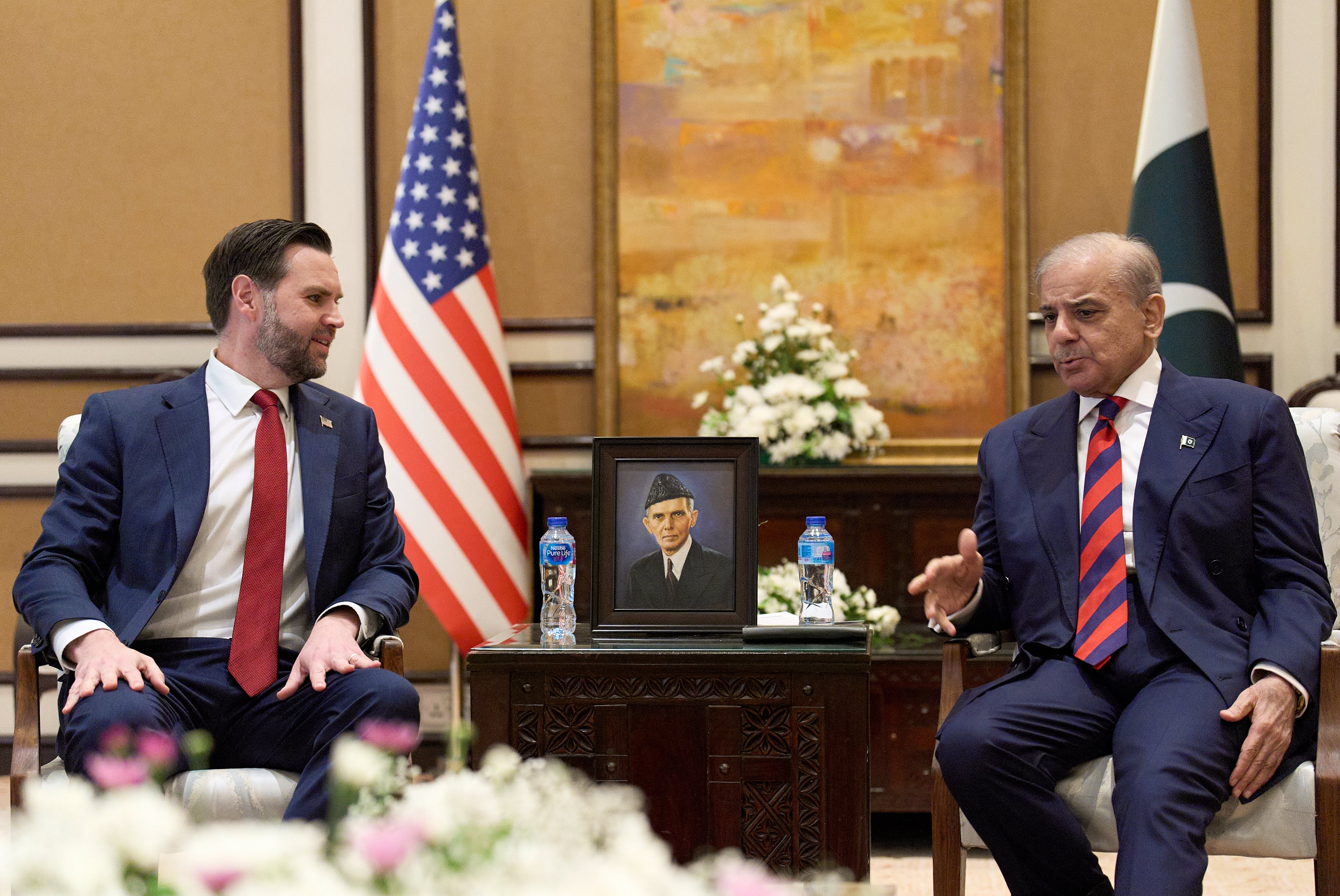
The meeting in Islamabad was a marathon session that lasted 21 hours. It involved direct, face-to-face discussions between U.S. Vice President J.D. Vance and high-ranking Iranian officials. These talks were organized with the help of the Pakistani government, which acted as a middleman to bring the two sides together. The goal was to find a way to end years of tension and reach a formal peace agreement. However, the session ended abruptly when the U.S. delegation decided to leave the table.
Important Numbers and Facts
Several key facts stand out from this historic encounter:
- 21 Hours: The total length of the continuous negotiation session before the pause was announced.
- 1979: The year of the Islamic Revolution, which was the last time officials at this high level had formal direct contact before these talks.
- 2015: The last time the two countries held any form of direct negotiations, which led to the previous nuclear deal.
- Nuclear Confirmation: The main sticking point was the U.S. demand for a clear, written guarantee that Iran will not pursue nuclear weapons.
Background and Context
To understand why this meeting is so important, it is necessary to look at the history between the United States and Iran. For decades, the two countries have had no formal diplomatic relationship. This started in 1979 after a revolution in Iran changed the government and led to a long period of hostility. Over the years, the two nations have disagreed on many things, including oil, influence in the Middle East, and most importantly, nuclear technology.
In 2015, there was a brief moment of cooperation when a nuclear deal was signed, but the U.S. later pulled out of that agreement. Since then, tensions have risen, leading to economic sanctions and military threats. These new talks in Pakistan were seen as a "last-ditch" effort to prevent a larger war and find a way for both countries to coexist peacefully. The high level of the participants—specifically the U.S. Vice President—showed that both governments were taking the situation very seriously.
Public or Industry Reaction
The reaction to the pause in talks has been mixed. Some experts believe that the 21-hour session shows that both sides are exhausted and need time to consult with their leaders back home. Others worry that the U.S. decision to walk away indicates that the gap between the two countries is still too wide to bridge. Within the U.S., political figures are divided; some praise the administration for standing firm on nuclear demands, while others fear that a missed opportunity could lead to more conflict. In the international community, there is a sense of relief that the dialogue has not been completely cancelled, as a total breakdown could lead to increased military activity in the region.
What This Means Going Forward
The next steps will depend on whether Iran is willing to change its position on nuclear inspections and guarantees. Vice President Vance made it clear that the U.S. will not return to the table without "affirmative confirmation" regarding Iran's nuclear program. This means Iran must provide proof that satisfies U.S. intelligence and international observers. If Iran agrees to these terms, the talks could resume in Islamabad or another neutral location. If not, the U.S. may increase economic pressure through more sanctions. For now, the situation is in a "wait and see" phase, where both sides are checking to see who will blink first.
Final Take
While the sudden end to the Islamabad talks might look like a failure, it is actually a sign of how serious the negotiations have become. Reaching a peace deal after 40 years of silence cannot happen in a single day. The fact that both nations were willing to talk for 21 hours straight proves there is a real desire to avoid war. The pause is a cooling-off period, but the door to peace remains unlocked, even if it is not yet wide open.
Frequently Asked Questions
Why did the U.S. stop the negotiations?
The U.S. paused the talks because Iran would not agree to specific conditions regarding its nuclear program. Vice President J.D. Vance stated that the U.S. needs a clear guarantee that Iran will not build nuclear weapons before a deal can move forward.
Is this the end of the peace process?
No, neither side has said the dialogue is over. Both countries have indicated that while they have stopped talking for now, they are not giving up on the possibility of future discussions.
Where did the meeting take place?
The talks were held in Islamabad, Pakistan. The Pakistani government acted as a mediator to help the two sides communicate and provide a neutral ground for the historic meeting.