Summary
Ukraine has warned that it is running low on interceptor missiles after a massive Russian attack on the Kyiv region killed 15 people. President Zelensky said the attack on Sunday involved 68 missiles and 351 strike drones. The warning comes as Ukraine's air defense systems face increasing pressure from sustained Russian strikes.
Main Impact
The deadly attack on the Kyiv region highlights a growing problem for Ukraine's military. Air defense systems, which have protected cities for months, are now struggling to keep up with the scale of Russian attacks. The shortage of interceptor missiles means some incoming missiles and drones cannot be shot down, leading to more casualties and damage.
Key Details
What Happened
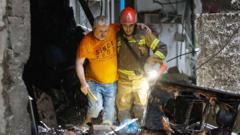
On Sunday, Russia launched a large-scale attack on Ukraine, focusing on the capital region of Kyiv. The attack included 68 missiles and 351 strike drones, according to President Zelensky. Ukrainian air defense forces managed to shoot down many of them, but some got through, causing destruction and loss of life.
Important Numbers and Facts
The attack killed 15 people in the Kyiv region. Many others were injured. The number of missiles and drones used shows the scale of the assault. Ukraine's air defense systems, including Western-supplied systems like Patriot and NASAMS, have been effective but are now facing a shortage of interceptor missiles needed to stop future attacks.
Background and Context
Ukraine has relied heavily on air defense systems to protect its cities and infrastructure from Russian missile and drone strikes. These systems use interceptor missiles to destroy incoming threats. However, Russia has increased the frequency and size of its attacks, depleting Ukraine's stock of interceptors. Western allies have provided support, but supplies have not kept up with demand. This shortage is a serious concern because it leaves Ukraine vulnerable to further attacks.
Public or Industry Reaction
President Zelensky publicly warned about the interceptor missile shortage, calling for more support from international partners. Ukrainian officials have repeatedly asked for additional air defense systems and ammunition. The attack has also drawn condemnation from Western leaders, who have pledged continued military aid. However, the pace of deliveries remains a key issue.
What This Means Going Forward
The interceptor missile shortage could force Ukraine to make difficult choices about which cities and infrastructure to protect. If the shortage continues, Russia may be able to cause more damage with future attacks. Ukraine is urgently seeking more supplies from the United States and European allies. The situation also raises questions about the long-term sustainability of Ukraine's air defense strategy. Without a steady flow of interceptors, the risk to civilians and critical facilities will grow.
Final Take
The deadly attack on Kyiv is a stark reminder of the ongoing war's human cost. Ukraine's warning about interceptor missile shortages shows that even effective defenses have limits. The coming weeks will be critical as Ukraine works to secure more supplies to protect its people and infrastructure from further Russian strikes.
Frequently Asked Questions
What is an interceptor missile?
An interceptor missile is a weapon used by air defense systems to shoot down incoming missiles, drones, or aircraft. It is launched from the ground and guided to destroy the target before it can hit its intended location.
Why is Ukraine running out of interceptor missiles?
Ukraine is running out because Russia has been launching large numbers of missiles and drones in repeated attacks. The high demand has used up Ukraine's stock of interceptors faster than Western allies can supply new ones.
How does this affect civilians in Ukraine?
When interceptor missiles are in short supply, fewer incoming attacks can be stopped. This means more missiles and drones can hit their targets, leading to more deaths, injuries, and damage to homes and infrastructure. Civilians face greater danger during air raids.