Summary
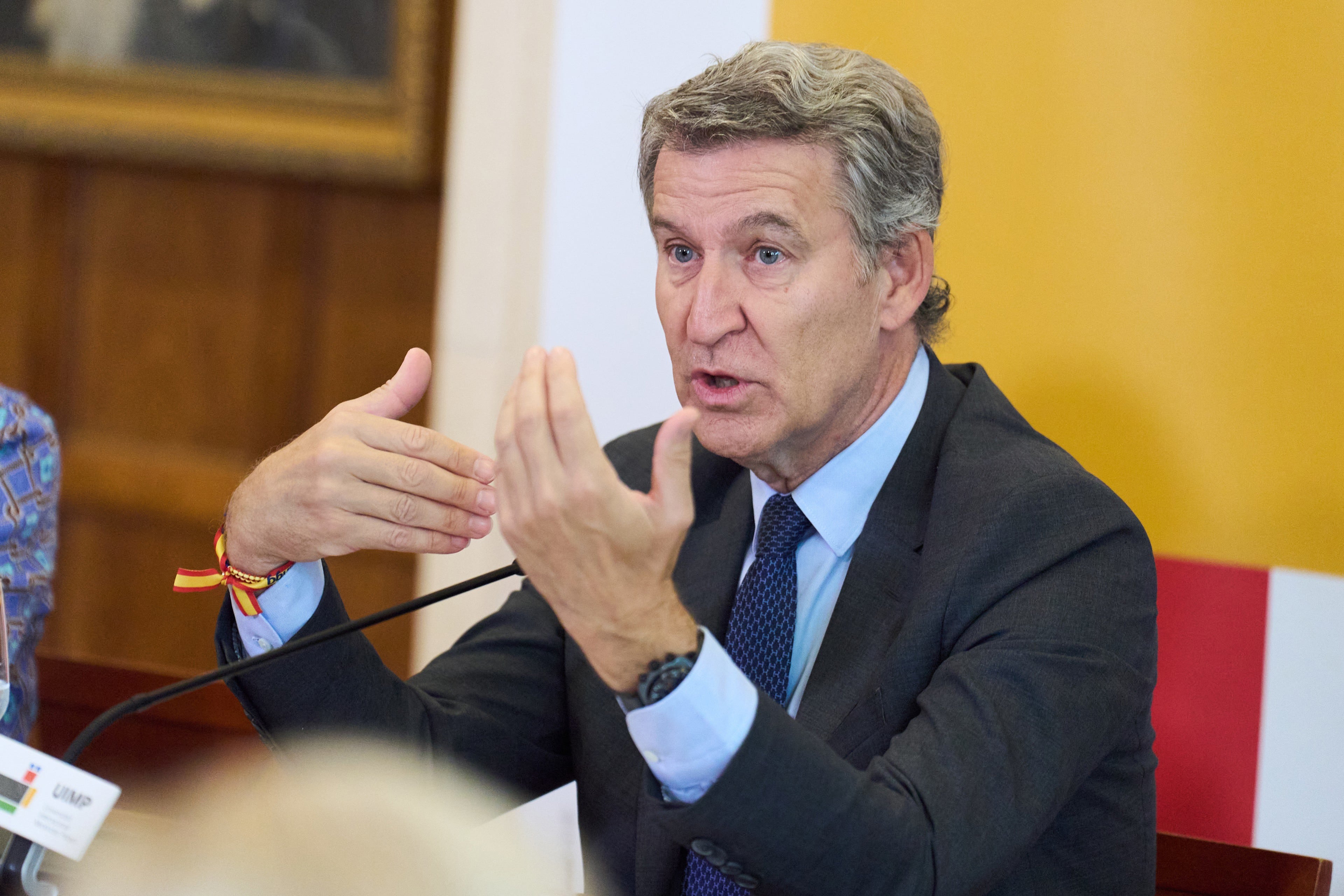
Alberto Núñez Feijóo, leader of Spain’s Popular Party (PP), has promised to create a national law to support unborn children if he becomes prime minister. The law would be based on a similar one already approved in Madrid by regional leader Isabel Díaz Ayuso. Feijóo said the state should offer public aid to families expecting a child. The proposal has drawn support from the far right and criticism from left-wing parties.
Main Impact
Feijóo’s announcement signals a major policy shift for the PP at the national level. If implemented, the law would extend financial and social benefits to unborn children across Spain. This could change how the country supports pregnant women and families. It also puts the issue of unborn rights at the center of the next general election campaign.
Key Details
What Happened
On Monday, Feijóo said in an interview on Antena 3 that he would pass a national law to give public aid to unborn children. He pointed to a similar law already passed by the Madrid regional government under Isabel Díaz Ayuso. Feijóo said that when a woman is expecting a child, this should be reflected in public support. He added that he had done the same in Galicia back in 2011.
Important Numbers and Facts
The Madrid law was approved in early July 2026. It was celebrated by far-right groups and questioned by left-wing parties. Feijóo’s promise comes as the PP prepares for a possible return to national government. The exact details of the proposed national law have not yet been released.
Background and Context
The debate over rights for unborn children is not new in Spain. Different regions have taken different approaches. The Madrid law is one of the most recent and most visible examples. Feijóo’s promise to take this idea nationwide shows he wants to appeal to conservative voters. It also highlights a growing divide between the PP and left-wing parties on family and social policy.
Public or Industry Reaction
The announcement has sparked mixed reactions. Supporters say it protects life and helps families. Critics argue it could limit women’s rights and create legal confusion. Far-right groups have praised the move. Left-wing parties have said they will oppose any national law that gives legal status to unborn children. The debate is expected to intensify as the election approaches.
What This Means Going Forward
Feijóo’s promise makes the unborn child law a key issue for the next national election. If the PP wins, the law could be drafted and debated in parliament. This would likely lead to a heated political and legal battle. The outcome could affect how Spain handles family support, abortion rights, and the legal status of unborn children for years to come.
Final Take
Feijóo has made a clear promise to turn a regional policy into national law. This move is designed to rally conservative support and define his campaign. But it also risks deepening political divisions. The real test will come if the PP actually takes power and tries to pass the law.
Frequently Asked Questions
What is the law of the unborn child in Madrid?
The Madrid law gives public aid and legal recognition to unborn children. It was approved by the regional government led by Isabel Díaz Ayuso in July 2026.
What did Feijóo promise to do?
Feijóo said he would create a similar law at the national level if his party wins the next general election. The law would provide state support to families expecting a child.
Why is this law controversial?
Supporters say it protects unborn life and helps families. Critics say it could affect women’s rights and create legal problems. The debate reflects deeper political divisions in Spain.