Summary
A top economist warns that artificial intelligence has not yet delivered the big productivity gains many hoped for. Torsten Slok from Apollo Global Management says most companies outside the tech sector are struggling to see returns on their AI investments. If this continues, stock markets could face a sharp and painful drop in prices. The gap between what investors expect and what companies actually earn is growing. This mismatch could slow down the entire AI boom.
Main Impact
The key problem is that AI is boosting profits mainly for big tech companies like the Magnificent Seven, but not for the rest of the economy. According to Slok, profit margins for these top tech firms rose from about 15% to 25% between early 2023 and early 2026. But for the other 493 companies in the S&P 500, profit margins stayed around 10%. This gap is a warning sign. If AI does not start delivering real productivity gains across more industries soon, investors may lose confidence. That could lead to a "painful repricing" of stocks, meaning prices could fall sharply.
Key Details
What Happened
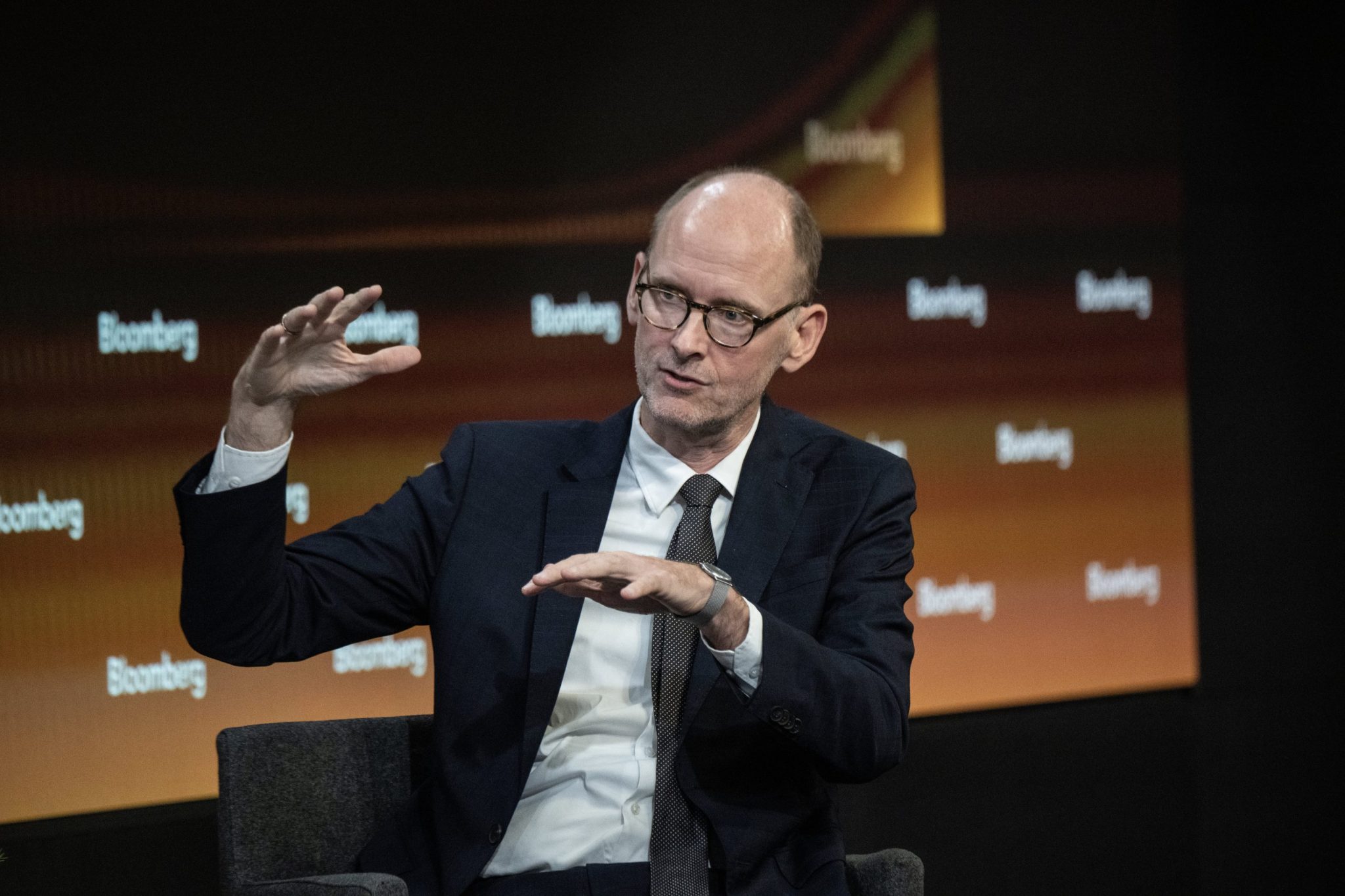
Torsten Slok, chief economist at Apollo Global Management, published a blog post explaining his concerns. He argues that AI is easy to use in software and tech companies, but hard to deploy in most other industries. Many businesses face hurdles like regulations, data privacy rules, and the challenge of fitting AI into their existing workflows. This means it takes a long time to see any real return on investment. Slok believes the stock market has already priced in big gains from AI, but those gains may not come as quickly as expected.
Important Numbers and Facts
A study from MIT last year found that only 5% of companies saw a meaningful return on investment from generative AI pilot projects. Another report from Boston Consulting Group showed that 42% of workers who use AI save about eight hours per week. But half of those workers said they do not use that extra time for more important tasks. In one example, the company Ricoh spent $500,000 on consultant fees and $200,000 per month on AI costs to automate insurance claims. That was three times more expensive than having a human do the work. The company did increase productivity three-fold, but it took a long time and cost a lot of money.
Background and Context
For years, many experts and investors have predicted that AI would transform the workplace and boost productivity across the economy. This belief has driven huge investments in AI companies and technology. But the reality is turning out to be more complicated. Many companies are finding that AI is not a quick fix. It requires careful planning, training, and human oversight. Some companies, like Ford, have even hired back experienced engineers to help fix AI tools that were not working well. The gap between the hype and the actual results is growing, and that is worrying economists like Slok.
Public or Industry Reaction
Other experts agree with Slok's concerns. Peter Cappelli, a professor at the Wharton School, says people are underestimating how much work is needed to make AI useful. He points out that companies often listen to tech vendors who talk about what is possible, but not about what is practical. Boston Consulting Group found that some companies are using AI just for the sake of it, without clear goals. This practice, sometimes called "tokenmaxxing," drives up costs without delivering real benefits. David Martin from BCG says many companies are now realizing they need to be more careful about who gets access to AI and what the business case really is.
What This Means Going Forward
If companies do not start seeing real returns on their AI investments soon, they may slow down their spending. That could hurt the stock prices of AI companies that are currently valued very high. Slok warns that the current focus on using AI tokens is an early sign that implementation is going to be slower and bumpier than expected. On the other hand, some experts believe AI will eventually create more jobs and help small businesses grow. But for now, the road ahead looks uncertain. Investors and business leaders will need to be patient and realistic about what AI can actually deliver.
Final Take
The promise of AI-driven productivity gains is real, but it is taking much longer than many hoped. The stock market may have gotten ahead of itself by pricing in returns that have not yet materialized. If the gap between expectations and reality continues to grow, a market correction could be painful. Companies that invest wisely and take the time to integrate AI properly may still see benefits. But the era of easy AI hype may be coming to an end.
Frequently Asked Questions
Why hasn't AI boosted productivity for most companies?
AI is easy to use in tech companies but hard to deploy in other industries. Many businesses face challenges like regulations, data privacy, and fitting AI into their existing workflows. It takes time and money to make AI work well, and many companies are not seeing quick returns.
What is "tokenmaxxing" and why is it a problem?
Tokenmaxxing is when companies encourage employees to use AI tools as much as possible, often without clear goals. This can drive up costs without delivering real productivity gains. Experts say it is a sign that companies are struggling to get value from their AI investments.
Could AI still deliver big productivity gains in the future?
Yes, many experts believe AI can eventually boost productivity, but it will take time. Companies need to invest in training, planning, and human oversight. The gains may come slowly, and the stock market may need to adjust its expectations.