
Summary
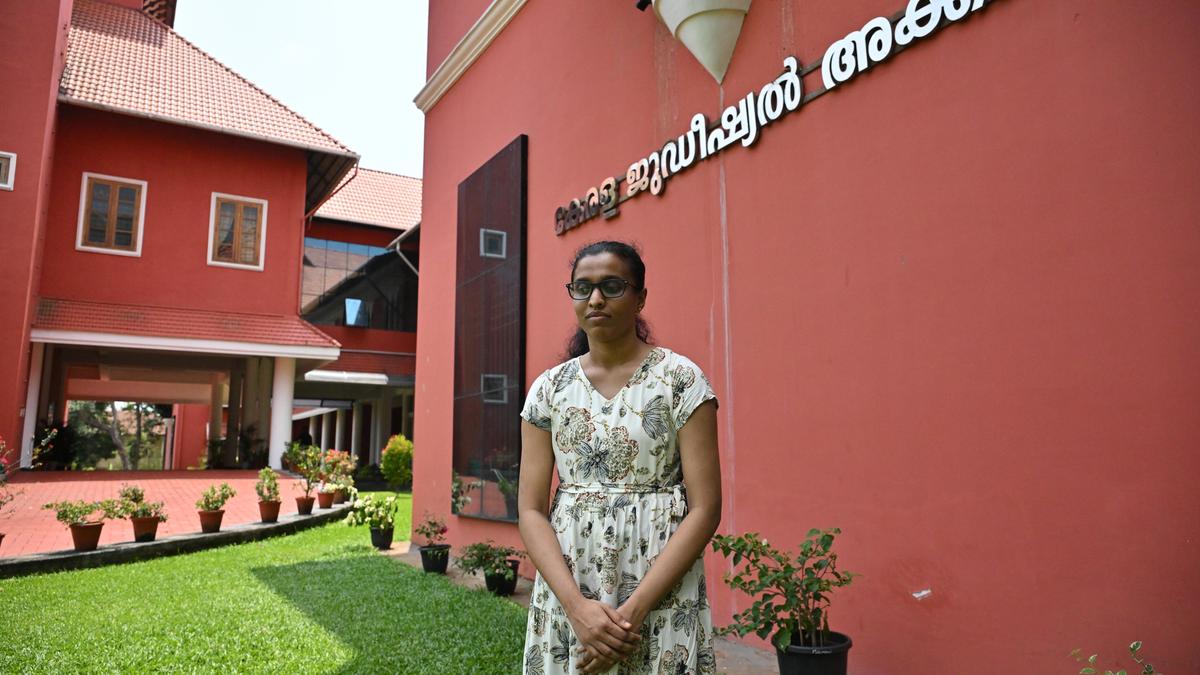
Thanya Nathan C. has made history by becoming the first visually challenged trainee judge in the state of Kerala. Her entry into the district judiciary marks a significant milestone for the legal system in India. This achievement highlights a shift toward more inclusive hiring practices in high-level government positions. It serves as a powerful example of how determination can overcome physical limitations in the professional world.
Main Impact
The appointment of Thanya Nathan C. is a major step forward for equality within the Indian court system. For many years, people with visual impairments faced significant barriers when trying to enter the judiciary. Her success proves that the ability to interpret the law and deliver justice is not tied to physical sight. This development is expected to encourage more individuals with disabilities to pursue careers in law and public service. It also forces the legal system to modernize its tools and methods to support a more diverse group of officials.
Key Details
What Happened
Thanya Nathan C. has officially started her journey as a trainee judge within the Kerala district judiciary. She was selected after successfully clearing the rigorous selection process required for judicial officers. This role is a starting point for those who wish to serve as magistrates or judges in local courts. She is currently undergoing a specialized training program designed to prepare her for the daily responsibilities of the bench.
Important Numbers and Facts
Thanya was selected through the Kerala Judicial Service Examination, which is known for being highly competitive. The training process she is currently attending typically lasts for about one year. This training takes place at the Kerala Judicial Academy, where new officers learn about court procedures, case management, and legal ethics. Her selection follows recent legal changes in India that aim to reserve a percentage of government jobs for persons with disabilities, ensuring they have a fair chance at high-ranking roles.
Background and Context
In the past, the legal profession often relied on traditional methods that were not always accessible to everyone. Judges were expected to read through thousands of pages of paper documents and observe the body language of witnesses in person. However, as technology has improved, these requirements have changed. Tools like screen readers, which turn text into speech, and digital court records have made it possible for visually challenged individuals to perform the same tasks as their peers.
The Rights of Persons with Disabilities Act, passed in 2016, played a huge role in making this possible. This law requires the government to provide equal opportunities and make reasonable changes to the workplace to help disabled employees. The Supreme Court of India has also issued several rulings stating that disability should not be a disqualification for someone who is otherwise qualified to be a judge. Thanya’s appointment is a direct result of these legal and social changes.
Public or Industry Reaction
The news of Thanya’s appointment has been met with widespread praise from legal experts, activists, and the general public. Many senior lawyers in Kerala have noted that her presence will bring a new perspective to the court. They believe that a more diverse judiciary helps the law become more sensitive to the needs of different groups of people. On social media, many have called her an inspiration for young students who face similar challenges. Disability rights groups have also hailed this as a victory for their long-standing efforts to gain better representation in the government.
What This Means Going Forward
As Thanya moves from training to active duty, the Kerala court system will need to continue adapting. This means ensuring that all legal documents are available in digital formats that are compatible with assistive technology. Courtrooms may also need small physical changes to make them easier to navigate. Her career will likely serve as a test case for how the judiciary can better support disabled officers. If successful, it will pave the way for many others to follow in her footsteps, making the Indian legal system one of the most inclusive in the world.
Final Take
Thanya Nathan C. is not just a trainee judge; she is a pioneer who is changing the face of the Kerala judiciary. Her story shows that when a person has the right skills and a supportive system, they can reach the highest levels of their profession. This moment is a reminder that justice is about the mind and the heart, not just the senses. Her journey will likely be watched closely as a symbol of progress and hope for many years to come.
Frequently Asked Questions
Who is Thanya Nathan C.?
Thanya Nathan C. is the first visually challenged person to be appointed as a trainee judge in the Kerala district judiciary.
How did she qualify for this position?
She qualified by passing the Kerala Judicial Service Examination and completing the necessary interviews and selection steps required by the state.
What kind of training will she receive?
She is undergoing a year-long training program at the Kerala Judicial Academy, where she will learn how to manage a courtroom and write legal judgments.



