
Summary
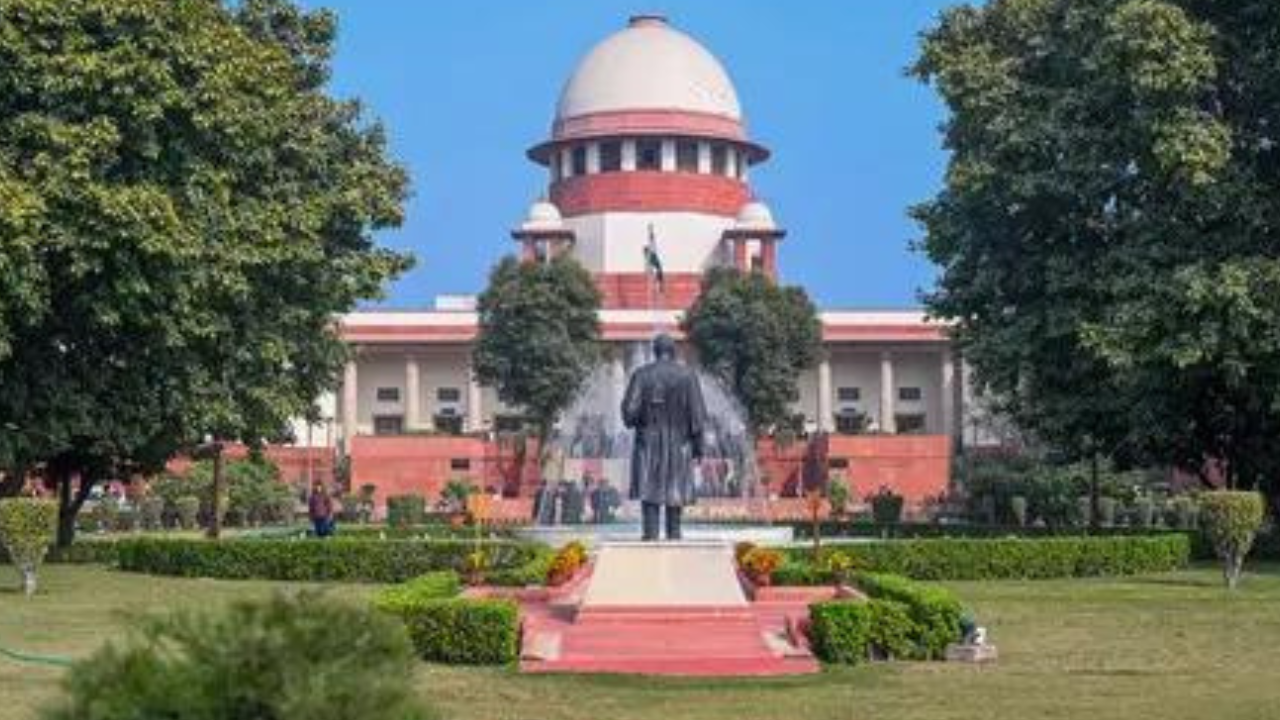
The Supreme Court of India has intervened in a long-running legal battle over the estate of the late businessman Sunjay Kapur. The court issued a formal notice to 23 individuals and entities, including Priya Sachdev Kapur, following a petition filed by Sunjay’s mother, Rani Kapur. During the hearing, the judges expressed concern over the age of the people involved and strongly suggested that the family try to settle their differences through mediation. This move aims to find a peaceful solution to a dispute that threatens to drain the family’s assets and prolong their legal troubles.
Main Impact
The primary impact of this court order is a push for a faster and more peaceful resolution to a complex family fight. By issuing a notice, the Supreme Court is forcing all parties to explain their positions regarding the family's wealth and property. The court’s suggestion for mediation is significant because it shows that the legal system prefers families to talk things out rather than spend years in a courtroom. If the parties agree to talk, it could prevent the family's business interests and personal property from being tied up in legal red tape for another decade.
Key Details
What Happened
Rani Kapur, the mother of the late Sunjay Kapur, went to the Supreme Court to protect what she believes is her rightful share of her son's estate. She is worried that other family members or business partners might interfere with the assets or sell them off before the legal issues are settled. She asked the court to stop the 23 respondents from taking any actions that would reduce the value of the estate. The judges listened to her concerns and decided that the other side needed to respond officially. However, the judges also took a moment to remind the family that life is short and that fighting at an advanced age may not be the best use of their time.
Important Numbers and Facts
The court sent notices to a total of 23 different parties. One of the most prominent names on that list is Priya Sachdev Kapur. The petitioner, Rani Kapur, is 80 years old, a fact that the judges highlighted during the proceedings. The dispute involves a large estate that includes various business holdings and properties left behind after Sunjay Kapur passed away. The court has not yet made a final ruling on who owns what, but the notice is a mandatory step to gather all the facts from everyone involved.
Background and Context
Sunjay Kapur was a well-known figure in the business world, and like many high-profile individuals, his passing led to questions about how his wealth should be shared. In India, estate disputes can often last for many years because they involve complex inheritance laws and multiple family members. When a person dies without a very clear and undisputed plan for their property, it is common for parents, spouses, and children to end up in court. These battles are not just about money; they are often about who has the power to run family businesses or live in family homes. The Supreme Court often steps in when lower courts cannot find a quick solution or when the assets involved are very large.
Public or Industry Reaction
The reaction to this case has mostly focused on the judge's blunt comments about the age of the parties. Many legal experts agree with the court’s view that mediation is a better path for elderly litigants. People following the case have noted that high-society legal battles often become public spectacles that can damage the reputation of the businesses involved. There is a general feeling that the court is trying to protect the family from further emotional and financial harm by encouraging them to sit down and talk. Industry observers also watch these cases closely because the outcome can change who controls major companies or investment groups.
What This Means Going Forward
In the coming weeks, the 23 respondents must submit their legal responses to the Supreme Court. The court will then decide if it should appoint a professional mediator to help the family reach a deal. If mediation works, the family will sign a contract agreeing on how to split the assets, and the court case will end. If mediation fails, the case will go back to the judges for a long series of hearings. There is also the possibility that the court will issue a temporary order to freeze certain assets, making sure that no property is sold or moved until a final decision is made. This would protect Rani Kapur’s interests but could also make it harder for the businesses to operate normally.
Final Take
This case serves as a clear reminder that wealth does not always bring peace. The Supreme Court’s question to the 80-year-old petitioner—asking why they are still fighting—is a powerful statement on the value of time versus the value of money. While the legal process will continue to follow the rules, the court has made it clear that a handshake and a conversation would be a much better outcome than a cold legal judgment. For the Kapur family, the path forward depends on whether they can put aside their differences for the sake of a quiet and settled future.
Frequently Asked Questions
What is mediation in a legal case?
Mediation is a process where a neutral third person helps people in a dispute talk to each other. The goal is to reach an agreement that everyone can live with without a judge making the final decision.
Why did the Supreme Court issue a notice?
A notice is a formal way for the court to tell the other people involved in the case that a legal complaint has been made against them. It gives them a chance to tell their side of the story before the court makes a move.
Who is involved in the Sunjay Kapur estate dispute?
The main people involved are Sunjay Kapur’s mother, Rani Kapur, and his wife, Priya Sachdev Kapur, along with 22 other individuals and companies that have a connection to his assets.



