Summary
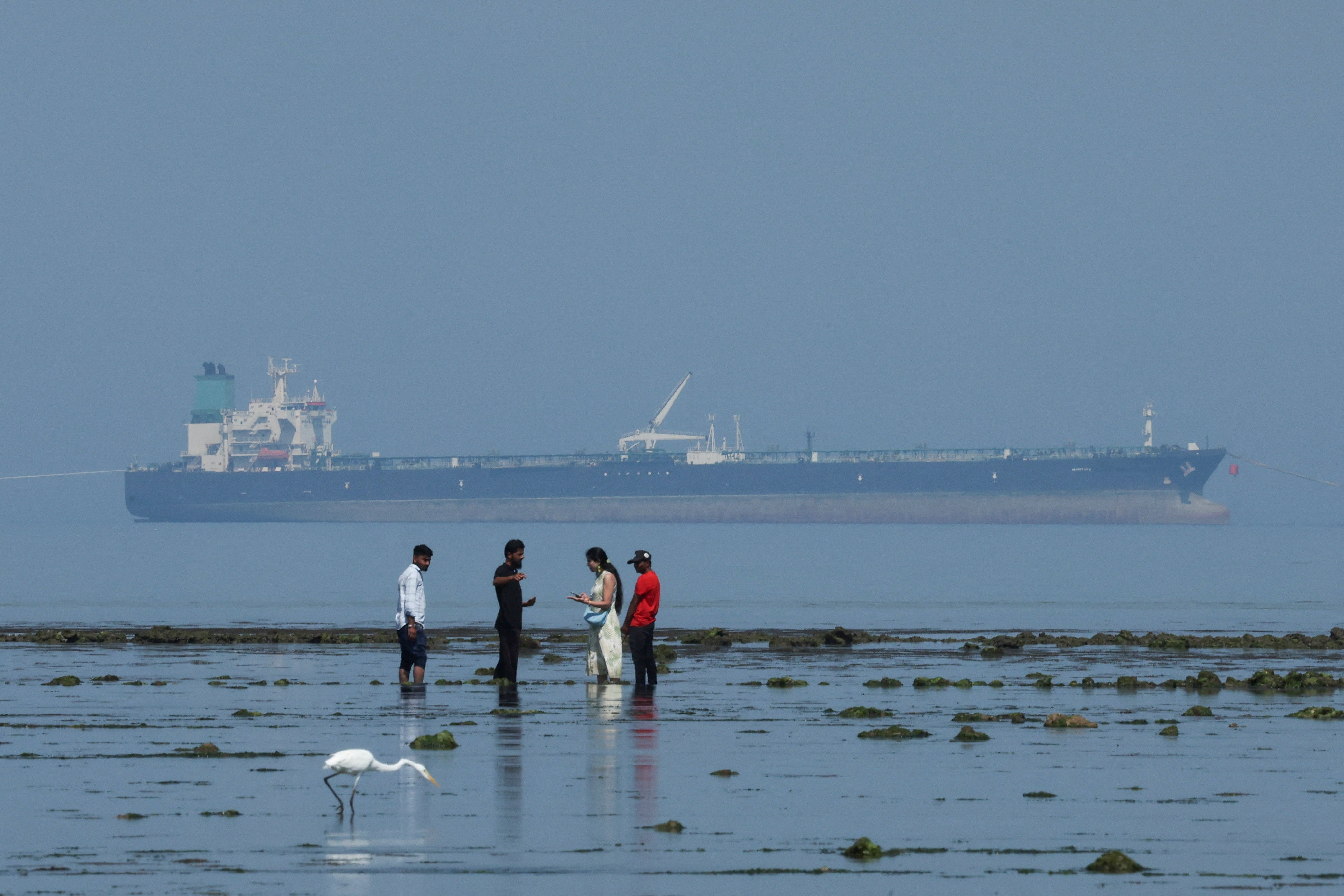
The United States government has announced a temporary pause on sanctions affecting Russian oil tankers. This decision allows Russian oil that was already loaded onto ships before March 12, 2026, to be sold and delivered without penalties. The move is intended to last for one month, providing a short window for millions of barrels of oil to enter the global market. This change in policy comes at a time when the U.S. is looking to keep energy prices stable while dealing with rising tensions and military actions in the Middle East.
Main Impact
The most immediate effect of this decision is a massive financial boost for the Russian government. By allowing these shipments to proceed, the U.S. is effectively enabling Russia to collect billions of dollars in revenue that would have otherwise been blocked. Experts suggest that this move will help Russia fund its ongoing military operations. At the same time, the influx of oil is expected to prevent a sharp increase in global fuel prices, which often happens during times of international conflict.
Key Details
What Happened
The Trump administration issued a specific waiver that stops the enforcement of certain sanctions against Russian petroleum products. This waiver is not a permanent end to sanctions but a 30-day grace period. It specifically targets oil and fuel that were already in transit or loaded onto tankers before the deadline of March 12. This allows shipping companies and buyers to complete their transactions without fear of being punished by the U.S. Treasury Department.
Important Numbers and Facts
According to Kirill Dmitriev, the head of the Russian Direct Investment Fund, this decision could involve as much as 100 million barrels of oil. At current market prices, this represents a significant amount of money flowing back into the Russian economy. The waiver is strictly set for one month, though there is a possibility that the U.S. government could extend it if they feel the global oil supply remains at risk. This decision marks a notable shift from previous efforts to strictly limit Russia's ability to sell energy products on the open market.
Background and Context
For several years, the United States and its allies have used economic sanctions to punish Russia for its actions in Ukraine. One of the main goals was to limit the money Russia makes from selling oil and gas. However, the global energy market is very sensitive. When there is less oil available, the price of gasoline and electricity goes up for everyone, including people in the United States.
The current situation is complicated by new military conflicts. Recently, the U.S. and Israel have been involved in strikes against Iran. Whenever there is fighting in the Middle East, investors worry that oil supplies will be cut off. This fear usually causes oil prices to skyrocket. By allowing Russian oil to flow for a month, the U.S. is trying to balance its political goals with the need to keep the economy stable and prevent a domestic energy crisis.
Public or Industry Reaction
The reaction to this news has been mixed. In Russia, officials see this as a practical move that acknowledges the world's need for their energy resources. They view it as a sign that sanctions have limits when they start to hurt the countries that created them. Within the oil industry, many traders are relieved because it provides more certainty for shipments that were stuck in a legal gray area.
However, some political critics argue that this move sends the wrong message. They believe that giving Russia a way to sell its oil weakens the pressure intended to stop the war in Ukraine. These critics worry that the "one-month" window might be the start of a broader softening of U.S. policy toward Russian energy exports.
What This Means Going Forward
The next 30 days will be a testing period for global energy markets. If the conflict with Iran escalates, the U.S. may feel forced to extend the waiver to keep gas prices from hitting record highs. If the situation in the Middle East calms down, the government might let the waiver expire and return to a stricter sanctions policy. This creates a period of uncertainty for international shipping companies and energy buyers who must plan their routes and contracts carefully.
Additionally, this move shows that the U.S. government is willing to be flexible with its foreign policy when economic stability is at risk. It highlights how interconnected the world is; a conflict in one part of the world can lead to a change in how the U.S. treats a different country thousands of miles away.
Final Take
This temporary lift of sanctions is a clear example of economic reality winning over political strategy. While the U.S. still wants to limit Russia's power, it cannot afford a global energy spike that would hurt American consumers and the wider economy. For the next month, Russian oil will play a key role in keeping world markets steady, even as political tensions remain high across the globe.
Frequently Asked Questions
Why did the U.S. decide to lift these sanctions now?
The U.S. wants to prevent oil prices from rising too high during the current military tensions with Iran. Adding more oil to the market helps keep prices stable for consumers.
Does this mean all Russian oil is now legal to buy?
No. This is a temporary 30-day waiver that only applies to oil and petroleum products that were already loaded onto ships before March 12, 2026.
Will this help Russia's economy?
Yes. It allows Russia to sell about 100 million barrels of oil, which will bring billions of dollars into the country during the one-month period the waiver is active.