
Summary
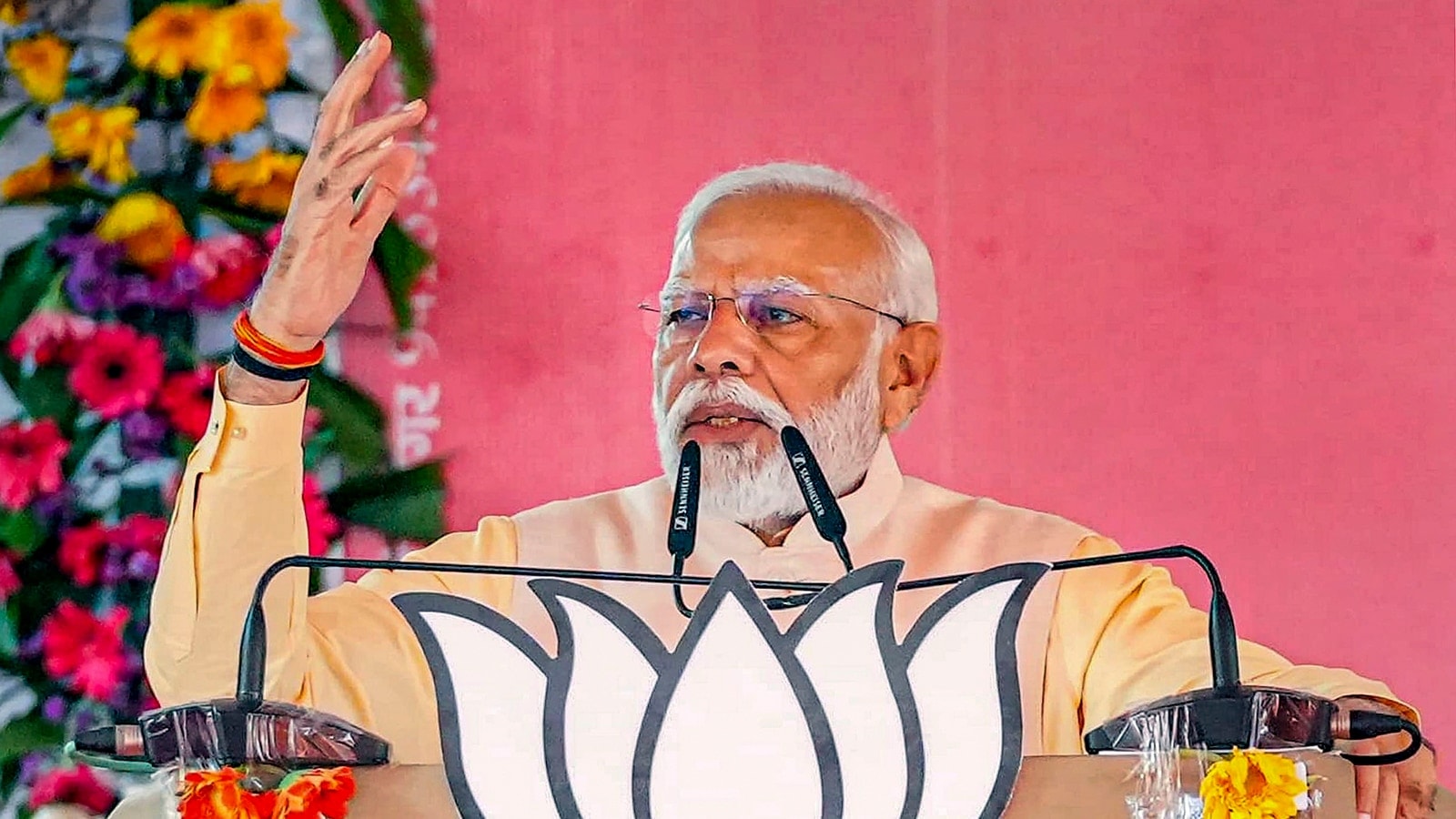
Prime Minister Narendra Modi has finished his latest election campaign in West Bengal with a series of bold promises. During his final rallies, he focused on two main groups: the youth and refugees. He introduced five specific "guarantees" aimed at helping young people find jobs and start businesses. He also promised to fix long-standing problems for refugees by fully supporting the new citizenship laws. Most notably, he told the crowd he is so sure of a win that he will return soon for the official swearing-in ceremony of a new government.
Main Impact
The Prime Minister’s speech is designed to change the political mood in West Bengal. By offering "guarantees," he is trying to build trust with voters who feel let down by current state policies. The focus on youth is a direct response to the high number of young people leaving the state to find work elsewhere. If these promises gain traction, they could shift a large number of votes toward his party. Additionally, his strong stance on refugee rights aims to secure support from communities that have felt ignored for decades.
Key Details
What Happened
In a series of high-energy meetings, the Prime Minister spoke about the future of West Bengal. He criticized the current state government for what he called a "culture of corruption." He specifically mentioned the scandals involving school teacher jobs, which have upset many families. To counter this, he presented a five-point plan for the youth. He also spent a significant amount of time talking about the Citizenship Amendment Act (CAA). He told the people that no one could stop the government from giving citizenship to those who fled religious trouble in neighboring countries.
Important Numbers and Facts
The campaign focused on several key figures and goals. The "5 Youth Guarantees" include plans to create thousands of local jobs so that young people do not have to move to cities like Delhi or Mumbai. The Prime Minister also mentioned that the central government has already sent large amounts of money for state development, though he claimed much of it was not used correctly by local leaders. He highlighted that millions of people in the state could benefit from central health and housing schemes if the local government cooperated more closely.
Background and Context
West Bengal has been a major political battleground for several years. The state is currently led by the Trinamool Congress (TMC), which has a very different vision from the Prime Minister’s party, the BJP. One of the biggest issues in the state is the economy. While other parts of India have seen new factories and tech hubs, many people feel Bengal has stayed behind. This has led to a lot of anger among young voters who want better careers.
Another major issue is the status of refugees. Many people living in Bengal came from Bangladesh years ago. They want legal papers and the right to call India their permanent home. The central government passed the CAA to help these people, but the state government has strongly opposed it. This has created a legal and political fight that the Prime Minister is now using as a central part of his campaign.
Public or Industry Reaction
The reaction to the Prime Minister’s promises has been split. Supporters at the rallies were very excited, especially when he spoke about the "oath-taking ceremony." They see his confidence as a sign of strength. Many young people expressed hope that the five guarantees would lead to real exam reforms and fair hiring practices. They are tired of hearing about job scams and want a system they can trust.
On the other side, leaders from the TMC have called these promises "election stunts." They argue that the central government has not done enough for Bengal in the past and is only making these offers to win votes. Some community leaders are also worried that the focus on citizenship laws might cause tension between different groups of people living in the state.
What This Means Going Forward
The next few weeks will show if these promises worked. If the Prime Minister’s party wins a large number of seats, it will be seen as a victory for his "guarantee" model of politics. The first step will be to see how the voting numbers look in areas with high refugee populations. If those groups vote in large numbers for the BJP, it will prove that the CAA is a winning issue for them.
For the youth, the focus will be on whether the central government can actually bring new industries to Bengal. Building factories and creating a better environment for startups takes time. If the BJP does form a government in the state, they will be under a lot of pressure to deliver on these five points quickly. Failure to do so could lead to a quick loss of support from the very people who put them in power.
Final Take
The Prime Minister has set a very high bar for himself by promising to return for a victory ceremony. This move shows he is not just campaigning; he is claiming the win before the final results are even in. By focusing on jobs for the young and safety for refugees, he is touching on the two most sensitive topics in Bengal today. Whether these guarantees are enough to change the state's political path will be the biggest story of the election season.
Frequently Asked Questions
What are the 5 youth guarantees?
The guarantees focus on creating local jobs, making government hiring fair and transparent, supporting new small businesses, improving technical education, and ensuring that central government welfare reaches young people directly.
Why is the refugee issue so important in Bengal?
Many people in West Bengal are refugees or descendants of refugees from neighboring countries. They want legal citizenship and rights, which the Prime Minister says the CAA will provide, while the state government opposes the law.
What did the Prime Minister say about the oath-taking ceremony?
He expressed total confidence that his party would win the state election. He told his supporters that his next visit to the state would not be for a campaign rally, but to watch the new government take its official oath of office.



