Summary
Meta has created a new tool that can identify images and videos made by its own artificial intelligence models. The tool is designed to help people know when content is AI-generated, not real. However, the tool has limits on how many times it can be used, which has raised some questions. This move is part of a larger effort by tech companies to deal with fake or misleading AI content online.
Main Impact
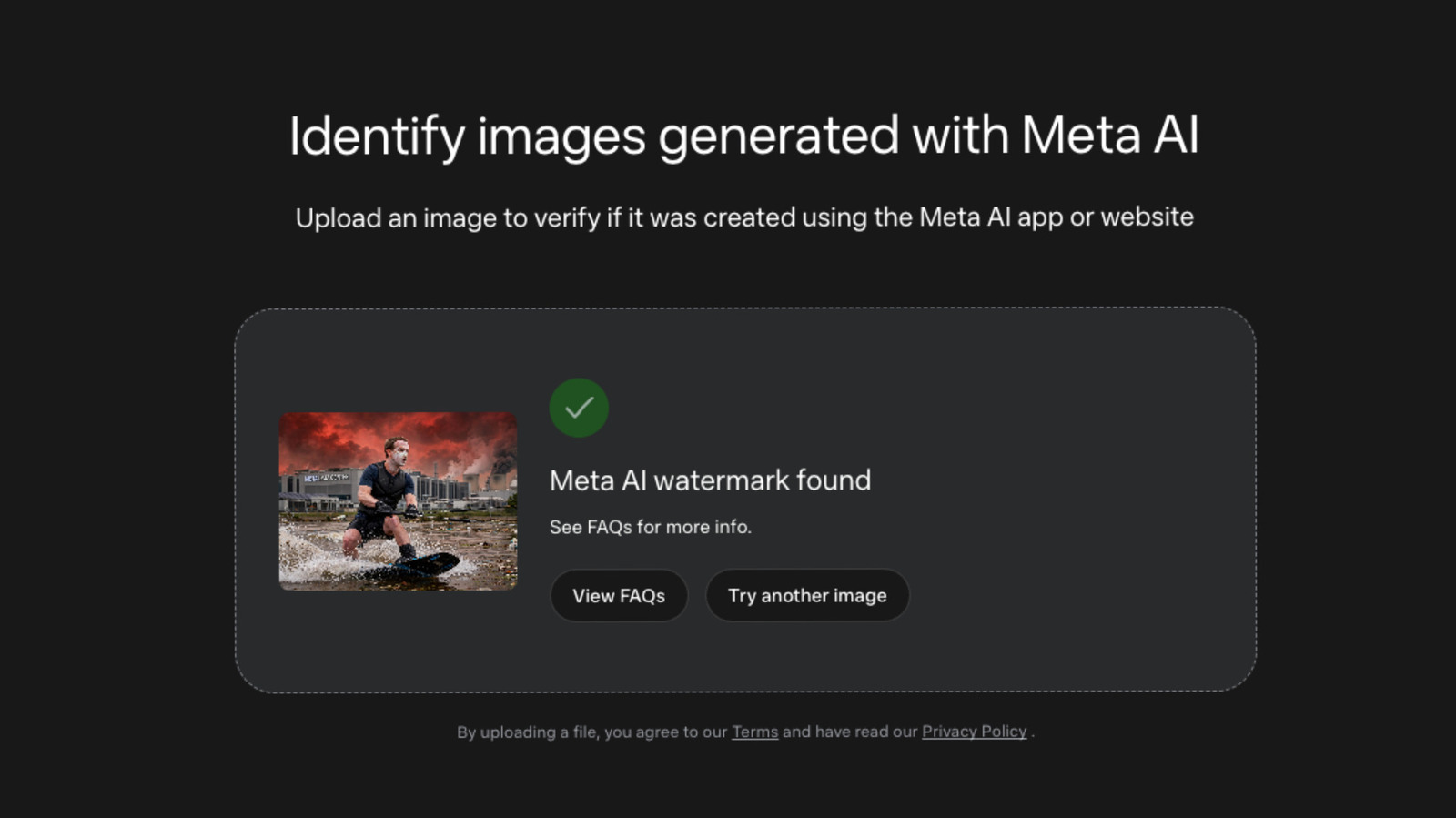
The main effect of this tool is that it gives users a way to check if a picture or video was made by Meta's AI systems. This could help stop the spread of fake images and videos that look real. But the rate limits mean that not everyone can use the tool freely, which might reduce its usefulness for catching AI content quickly.
Key Details
What Happened
Meta announced a new detection tool that works with its latest AI models. The tool scans images and videos to see if they were created by Meta's own AI, like its image generator or video maker. When the tool finds AI-made content, it marks it so users know it is not real.
Important Numbers and Facts
The tool is available now but has rate limits. This means users can only check a certain number of images or videos in a set time period. Meta has not said exactly what the limits are, but they exist to prevent the tool from being overloaded. The tool works only with content made by Meta's new AI models, not with content from other companies like OpenAI or Google.
Background and Context
AI-generated images and videos have become a big problem online. They can be used to spread false information, trick people, or create fake news. Many tech companies are working on ways to label or detect AI content. Meta's tool is one of the first that focuses only on its own models. Other companies, like Microsoft and Adobe, have also created similar tools, but they often work across different AI systems.
Public or Industry Reaction
Some experts say the tool is a good step, but the rate limits are a concern. They worry that limits might stop people from checking many images at once, especially during big events like elections or disasters. Others think the tool is too narrow because it only works with Meta's own AI. People who use other AI tools will not get the same protection. Overall, the reaction is mixed, with many calling for more open and unlimited detection tools.
What This Means Going Forward
This tool is a start, but it is not a full solution. As AI gets better at making realistic content, detection tools will need to keep up. Meta's rate limits might be a way to test the tool before making it widely available. In the future, we may see more tools that work across different AI systems and have fewer limits. For now, users should be careful about what they see online and use tools like this when they can.
Final Take
Meta's AI detection tool is a useful addition to the fight against fake content, but its limits show that we are still in the early stages of solving this problem. The tool helps, but it is not a magic fix. People will still need to think critically about what they see online.
Frequently Asked Questions
How does Meta's AI detection tool work?
The tool scans images and videos to look for signs that they were made by Meta's AI models. It uses special markers or patterns that the AI leaves behind when creating content.
Why does the tool have rate limits?
Meta says rate limits are in place to stop the tool from being used too much at once. This helps keep the tool working well for everyone, but it also means users cannot check many items quickly.
Can the tool detect AI content from other companies?
No, the tool only works with content made by Meta's own AI models. It cannot detect images or videos made by other companies like OpenAI or Google.