Summary
NASA has officially transferred ownership of a large piece of woodland in Maryland to the U.S. Fish and Wildlife Service. The land, which covers over 1,000 acres, will now be protected as part of a national wildlife refuge. This move is a rare piece of good environmental news in 2026, ensuring the area stays safe from development and helps local wildlife thrive.
Main Impact
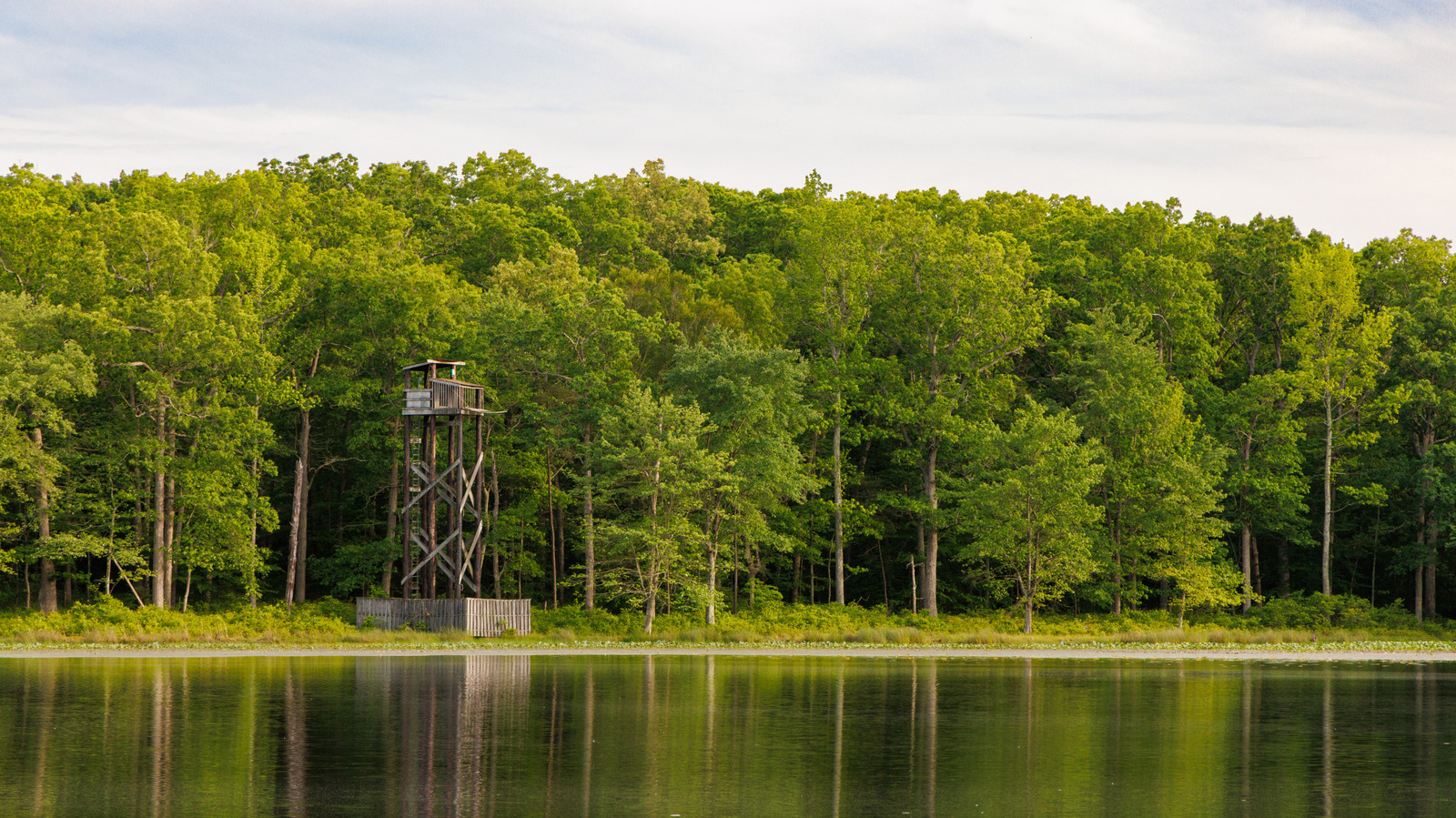
The transfer means this forested area near the Patuxent River will be permanently preserved. Instead of being used for future NASA projects or sold for private development, the land will become part of the Patuxent Research Refuge. This protects the habitat for many animals and plants, including some that are rare or endangered. It also keeps the land open for public recreation like hiking and birdwatching.
Key Details
What Happened
NASA gave up ownership of a 1,080-acre woodland in Anne Arundel County, Maryland. The land was part of the Goddard Space Flight Center's property but was not needed for space missions. The U.S. Fish and Wildlife Service now manages it as an addition to the Patuxent Research Refuge, which is one of the oldest wildlife refuges in the country.
Important Numbers and Facts
The transfer happened in early July 2026. The land includes forests, wetlands, and streams that feed into the Patuxent River. It is home to white-tailed deer, bald eagles, and many types of songbirds. The refuge already covers about 12,800 acres, so this addition makes it even larger. NASA will still keep some nearby land for its research and launch operations.
Background and Context
NASA owns large areas of land around its facilities for safety and future use. But not all of it is needed for space work. In recent years, the agency has looked for ways to give back unused land to conservation groups. This transfer is part of a larger effort to protect natural spaces while still focusing on space exploration. The Patuxent Research Refuge was created in 1936 to study wildlife and protect habitats, so this new land fits right in.
Public or Industry Reaction
Environmental groups and local officials praised the move. The Maryland Department of Natural Resources said it helps keep the Chesapeake Bay watershed healthy. Birdwatchers and hikers are happy because the refuge is already a popular spot for outdoor activities. Some people noted that it is rare to see a government agency give up land for conservation, especially in a time when development pressure is high.
What This Means Going Forward
The land will now be managed for wildlife and public use. No buildings or roads will be built there. This protects the area from future threats like logging or housing projects. It also helps the refuge connect to other protected lands, creating a larger safe zone for animals. For NASA, it means less land to maintain and a chance to focus on its main mission. For the public, it means more green space to enjoy for generations.
Final Take
This transfer shows that even big government agencies can make choices that help the environment. By giving up land it did not need, NASA has made a lasting gift to nature and the people who love it. It is a simple but powerful example of how conservation can work when different groups cooperate.
Frequently Asked Questions
Why did NASA give away this land?
NASA did not need the land for its space missions. Instead of keeping it unused, the agency decided to transfer it to the U.S. Fish and Wildlife Service so it could be protected as part of a wildlife refuge.
Can the public visit this new area?
Yes. The land is now part of the Patuxent Research Refuge, which is open to the public for activities like hiking, birdwatching, and photography. Some areas may have limited access to protect wildlife.
Will this affect NASA's work at Goddard Space Flight Center?
No. NASA kept the land it needs for its research and launch operations. This transfer only involved unused woodland, so it does not affect any current or future space projects.