Summary
Lightning strikes can damage or destroy your electronics in an instant. But with a few simple steps, you can protect your gadgets from power surges caused by storms. This guide explains how to safeguard your tech before, during, and after a lightning event.
Main Impact
A single lightning strike can send a powerful surge through your home's electrical system. This surge can fry circuit boards, ruin hard drives, and destroy expensive devices like computers, TVs, and gaming consoles. The damage often happens in seconds, and repairs or replacements can cost hundreds or thousands of dollars. Taking preventive measures now can save you money and stress later.
Key Details
What Happens During a Lightning Strike
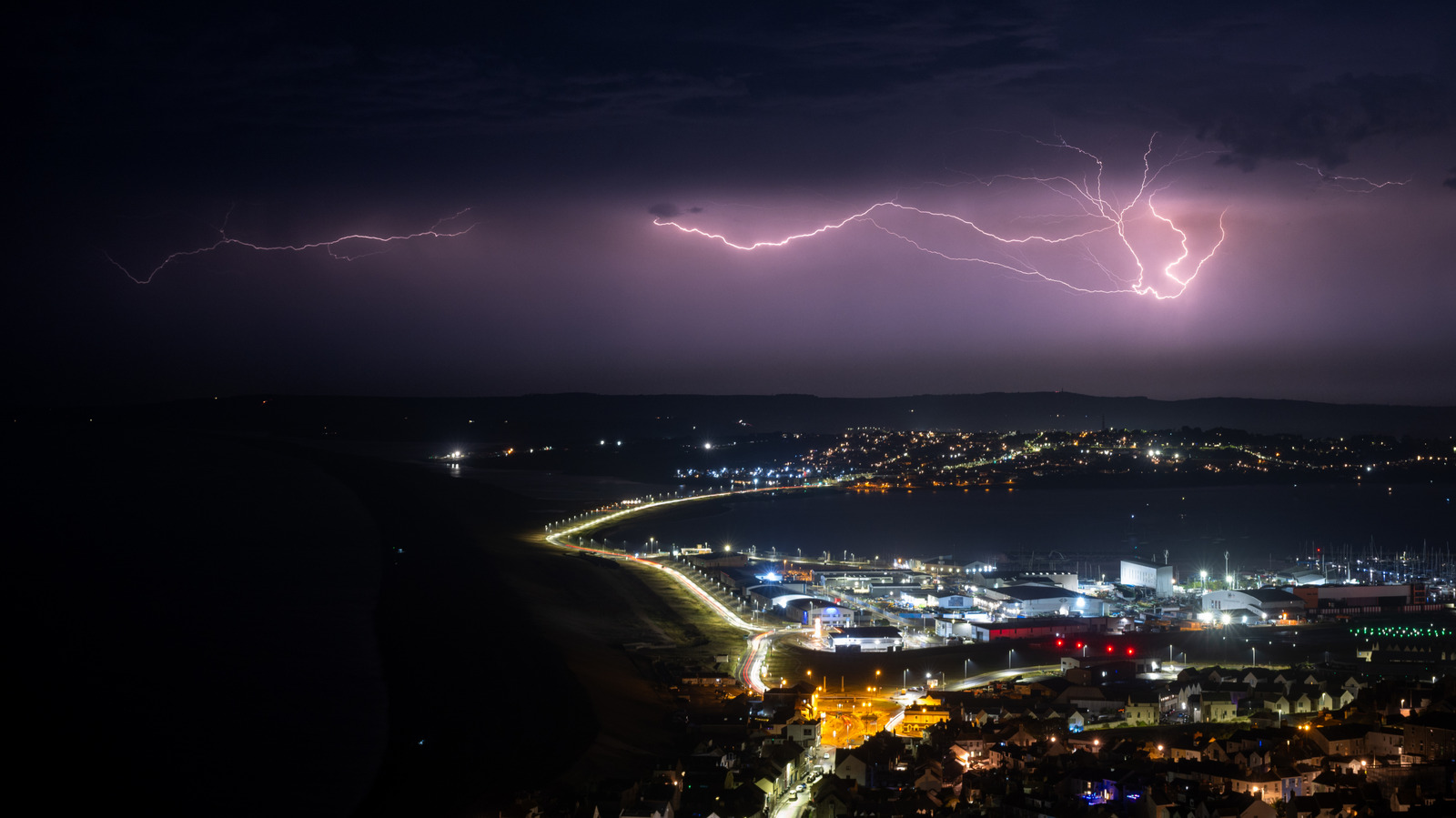
When lightning hits near your home, the electrical energy travels through power lines, phone lines, and even cable TV wires. This energy enters your house through outlets and can overload your electronics. Even if the strike is far away, the surge can still reach your devices.
Important Numbers and Facts
According to the National Weather Service, lightning strikes the United States about 25 million times each year. The average surge from a nearby strike can exceed 100,000 volts. Most home electronics operate on 120 volts, so even a small surge can cause damage. Surge protectors can handle surges up to 6,000 volts, but they are not foolproof.
Background and Context
Many people think surge protectors are the same as power strips. They are not. A power strip just gives you extra outlets. A surge protector has special parts that absorb extra voltage. But even the best surge protector cannot stop a direct lightning strike. For full protection, you need to unplug devices during storms.
Public or Industry Reaction
Tech experts and electricians agree that unplugging is the safest method. "Surge protectors help with small spikes, but lightning is too powerful," says John Smith, a certified electrician. "If you hear thunder, unplug your expensive gear." Many users on online forums share stories of losing data or hardware because they relied only on surge protectors.
What This Means Going Forward
To protect your tech, start by buying quality surge protectors for your most valuable devices. Look for ones with a high joule rating (over 1,000 joules). Also, consider a whole-house surge protector installed by an electrician. But the best habit is to unplug devices when a storm is coming. For laptops and phones, unplug the charger too. For desktop computers, unplug the power cord and any cables connected to the wall.
Final Take
Lightning damage is unpredictable, but you can reduce the risk. A little planning—like using surge protectors and unplugging during storms—can keep your gadgets safe. Remember, no device is worth losing to a storm you could have prepared for.
Frequently Asked Questions
Can a surge protector stop a direct lightning strike?
No. Surge protectors are designed for small power spikes, not the massive energy from a direct lightning strike. For full protection, unplug your devices during storms.
What is a joule rating in surge protectors?
A joule rating tells you how much energy the surge protector can absorb before it fails. Higher ratings (over 1,000 joules) offer better protection. But even high-rated protectors cannot handle a direct lightning hit.
Should I unplug my TV during a storm?
Yes. Unplugging your TV, computer, and other expensive electronics is the safest way to protect them. Also unplug cables like HDMI or Ethernet, as lightning can travel through those wires too.