Summary
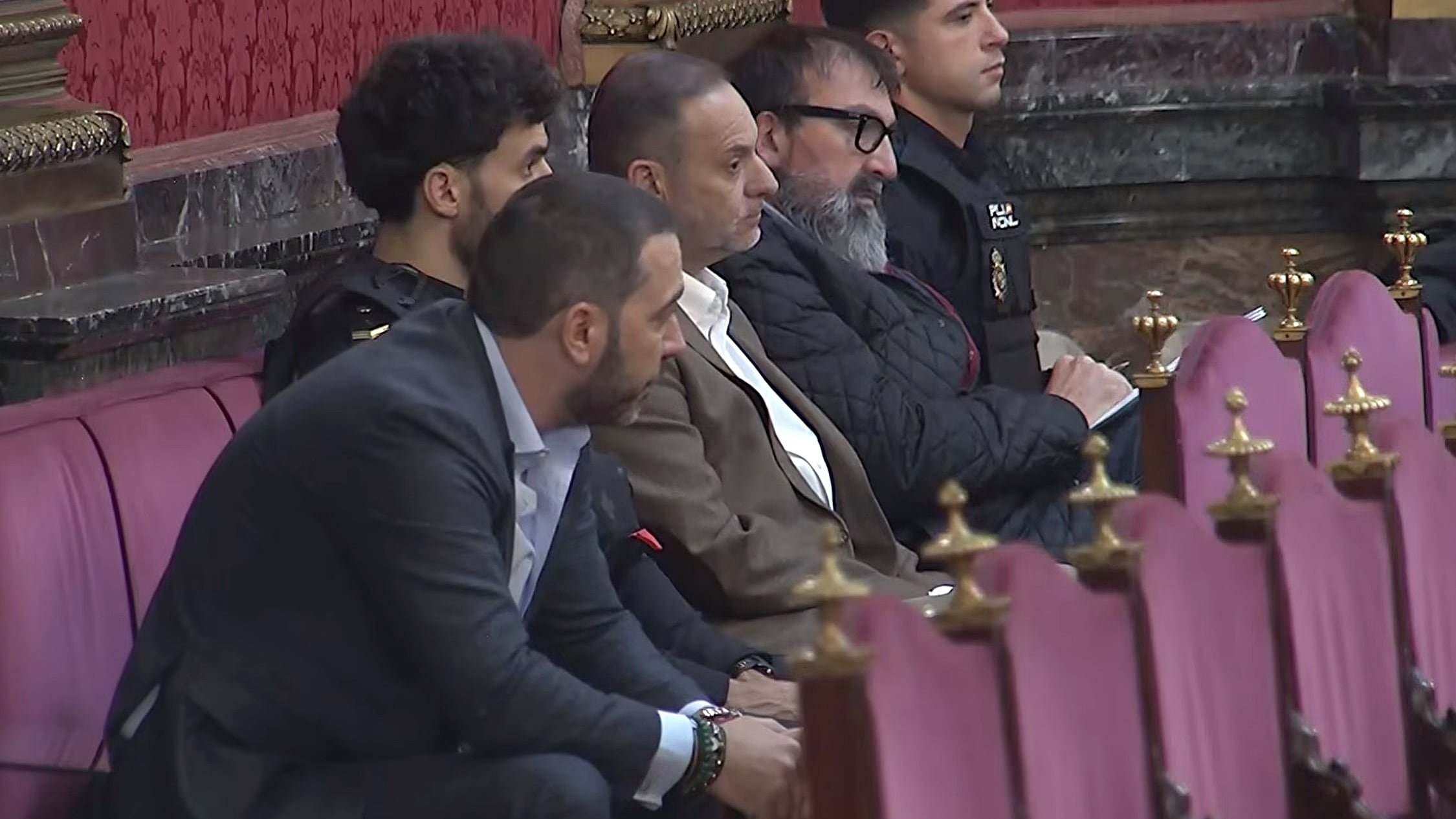
The corruption trial involving former Spanish minister José Luis Ábalos and his close associates reached its fourth day of hearings. Patricia Uriz, the former partner of Ábalos’s advisor Koldo García, gave testimony regarding how the Socialist Party (PSOE) handled money and expenses. She denied knowing about secret codes for money found in text messages and claimed the party was very strict with its budget. This trial is part of a larger investigation into how government contracts were handled during the pandemic.
Main Impact
This testimony is a key part of the defense's effort to show that there was no hidden flow of illegal cash. By describing the party’s financial rules as "rigid," Uriz is trying to convince the court that every euro was tracked and accounted for. However, her statements often clash with evidence found by the police, such as text messages that seem to use food names as codes for cash payments. The outcome of this trial could have major consequences for the reputation of the government and the individuals involved.
Key Details
What Happened
During the court session, Patricia Uriz spoke about the daily financial habits of Koldo García and José Luis Ábalos. She told the judge that the party headquarters, known as Ferraz, would only pay back money for travel and work if a physical receipt was provided. She shared a story about Koldo losing a receipt once and not being paid back, using this to show that the party did not hand out money easily.
The court also looked at messages found on mobile phones. The Civil Guard, which is Spain's national police force, believes that words like "chistorras" (a type of sausage), "soles" (suns), and "lechugas" (lettuces) were secret names for money. Uriz told the court she did not recognize these messages and suggested they were being misunderstood or taken out of their original context.
Important Numbers and Facts
The trial is currently in its fourth session at the Supreme Court. It focuses on José Luis Ábalos, Koldo García, and a businessman named Víctor de Aldama. A major point of interest is a job given to Jésica Rodríguez, another former partner of Ábalos, at a state-owned company called Ineco. While a manager from Ineco testified that Rodríguez seemed to be working and sending emails, Rodríguez herself admitted in court last week that she never actually did any work for the company. This contradiction is a major focus for the prosecution, as it suggests public money was used to pay for a "ghost job."
Background and Context
This case, often called the "Koldo Case," started with investigations into how the Spanish government bought face masks during the early days of the COVID-19 pandemic. Investigators believe that some people close to the Ministry of Transport used their influence to make sure certain companies got big contracts in exchange for illegal payments, also known as "mordidas" or kickbacks.
José Luis Ábalos was a very powerful figure in the Spanish government and the Socialist Party at the time. Koldo García was his right-hand man and advisor. The scandal has caused a lot of political tension because it involves the use of public funds during a national health crisis. The trial aims to find out if these officials grew rich by taking advantage of their positions while the country was struggling.
Public or Industry Reaction
The public reaction in Spain has been one of anger and deep interest. Many people are upset that while they were stuck at home during the pandemic, people close to the government might have been making illegal profits. Political rivals have used the trial to criticize the current government, calling for more transparency. Within the legal industry, experts are watching how the court handles the digital evidence, such as the coded text messages, as these will be vital in proving whether a crime was committed.
What This Means Going Forward
The trial will continue to hear from more witnesses and experts. The biggest challenge for the court will be deciding who is telling the truth about the "ghost job" at Ineco. If it is proven that Rodríguez was paid for work she did not do, it could lead to serious charges for those who authorized her hiring. Additionally, the court must decide if the "sausage and lettuce" messages are truly codes for money. If the prosecution can prove these were bribes, the defendants could face many years in prison. This case will likely set a standard for how corruption involving high-ranking officials is handled in the future.
Final Take
The testimony from Patricia Uriz highlights the difficult task the court faces. On one hand, the defense claims that everything followed strict party rules. On the other hand, the police have found strange messages and evidence of jobs where no work was done. As the trial moves forward, the focus will remain on whether these were simple mistakes or a organized plan to steal public money during a time of crisis. The truth will depend on which version of the story the judges find more believable.
Frequently Asked Questions
What is the Koldo Case about?
It is an investigation into claims that people close to the Spanish government took illegal payments to help certain companies win contracts for face masks and other supplies during the pandemic.
What are the "chistorras" and "lechugas" mentioned in court?
The police believe these food names were secret codes used in text messages to talk about amounts of money. The defendants deny this and say the messages are being misunderstood.
Why is the job at Ineco important?
It is important because it involves claims that public money was used to pay a person who did not actually do any work. This is often called a "ghost job" and is a form of corruption.