Summary
Hungary is experiencing a major political shift that is sending shockwaves across the continent. The removal of a leader known as Vladimir Putin’s closest friend in the European Union has sparked celebrations in the streets of Budapest. This change marks the end of an era where one country often stood in the way of European unity. For many people in Hungary and leaders in Brussels, this is a moment of hope and a chance to start fresh.
Main Impact
The biggest impact of this change is the sudden loss of Russia's influence within the European Union. For years, the Hungarian government acted as a bridge for Moscow, often slowing down or blocking important decisions made by other European nations. With this leader gone, the EU can now act with more speed and unity. This shift affects everything from how Europe handles the war in Ukraine to how it manages its energy needs and democratic rules.
Key Details
What Happened
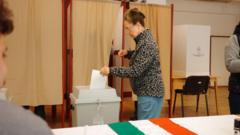
After a long period of tension, the political tide in Hungary has finally turned. Voters and political movements have successfully pushed out the administration that had governed the country for over a decade. This leader was famous for his "illiberal" views and his willingness to maintain a warm relationship with the Kremlin, even when other European countries were cutting ties. The news of his departure led to large gatherings in the capital, where people waved both Hungarian and European Union flags.
Important Numbers and Facts
The previous government had been in power since 2010, marking one of the longest runs for any leader in the region. During that time, Hungary saw billions of euros in EU funds frozen because of concerns about corruption and the fairness of its legal system. In recent votes, the opposition managed to bridge their differences to present a united front, which eventually led to this historic change. Moscow has remained mostly silent about the news, a sharp contrast to the loud celebrations seen in other European capitals like Berlin and Paris.
Background and Context
To understand why this matters, it is important to look at how the European Union works. The EU usually needs all its members to agree before making big decisions on foreign policy. Because the former Hungarian leader had such a close bond with Vladimir Putin, he often used his power to stop the EU from punishing Russia. He also disagreed with the EU on many basic rules about how a country should be run, such as having a free press and independent judges. This created a "cold war" of sorts between Budapest and Brussels that lasted for years.
Public or Industry Reaction
The reaction has been split between pure joy and cautious watching. In Budapest, the mood is one of relief. Many young people feel that their country is finally "coming back" to the European family. In Brussels, EU officials are quietly happy because they no longer have to deal with constant vetoes. However, some experts warn that the road ahead is difficult. The economy in Hungary has suffered from high prices and a lack of investment, and the new leadership will have to work hard to fix these deep-seated problems.
What This Means Going Forward
Looking ahead, we can expect Hungary to take a much more active and friendly role in European politics. The new government will likely move quickly to unlock the frozen EU funds by proving they are following democratic rules. This will provide a much-needed boost to the local economy. For Russia, this is a significant defeat. They have lost their most reliable "inside man" who could disrupt European plans from within. We may see the EU pass new sets of rules or support packages for Ukraine much faster than before.
Final Take
The events in Budapest show that political trends can change quickly, even when a leader seems to have total control. By choosing a new path, Hungary has removed a major obstacle to European cooperation. While the transition will be challenging, the sense of unity now felt across Europe is stronger than it has been in many years. The "cold" feeling in Moscow is a clear sign that the balance of power in Eastern Europe has shifted significantly.
Frequently Asked Questions
Why was the former leader called Putin's ally?
He maintained close business ties with Russia, bought Russian gas, and often spoke out against the sanctions that other European countries placed on Moscow after the invasion of Ukraine.
What will happen to the frozen EU money?
The European Union is expected to release the funds once the new Hungarian government shows it is making real changes to protect the law and stop corruption.
How does this affect the war in Ukraine?
With a more cooperative government in Hungary, the EU can provide aid and military support to Ukraine more easily without worrying about a single country blocking the process.