Summary
President Trump has ordered a military blockade of the Strait of Hormuz to stop Iranian trade. This major move has caused a mixed reaction in the stock market as investors try to figure out what happens next. While oil and energy stocks are moving higher, many other sectors are struggling due to fears of rising costs and global tension. The decision marks a significant change in foreign policy that is directly impacting global financial markets.
Main Impact
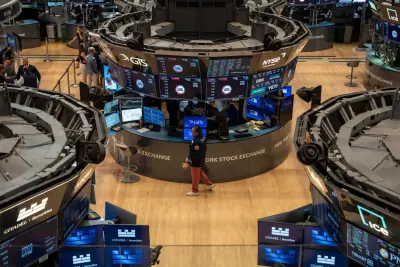
The most immediate impact of the blockade is a sharp rise in global oil prices. Because the Strait of Hormuz is a vital path for energy shipments, any threat to the flow of oil makes the commodity more expensive. This has created a split in the stock market. Energy companies and defense contractors are seeing their stock prices go up. However, companies that use a lot of fuel, such as airlines and delivery services, are seeing their stock prices fall. The overall feeling on Wall Street is one of caution as the risk of a larger conflict grows.
Key Details
What Happened
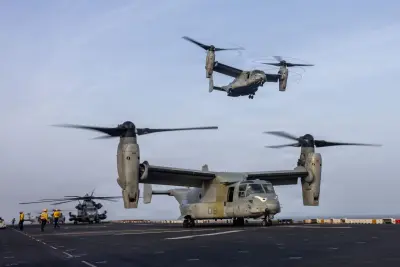
Early this morning, the White House announced that the U.S. Navy would begin blocking ships from carrying Iranian goods through the Strait of Hormuz. The goal of the blockade is to completely stop Iran's ability to export oil and other products. This action is a major step up from previous sanctions. By using military ships to control the waterway, the United States is taking a direct role in stopping trade in one of the busiest shipping lanes in the world.
Important Numbers and Facts
The market reaction was fast. Crude oil prices jumped by more than 7% shortly after the news broke. The Dow Jones Industrial Average showed a loss of about 180 points in early trading before moving back up slightly. The Nasdaq, which is filled with technology companies, dropped by 1.5% as investors moved their money into safer assets. Gold, which people often buy during times of war or trouble, saw its price rise by 2%. Analysts estimate that nearly 20 million barrels of oil pass through the Strait every day, making it the most important oil chokepoint on the planet.
Background and Context
The Strait of Hormuz is a narrow stretch of water that connects the Persian Gulf with the rest of the world's oceans. It is the only way for many oil-producing countries to get their products to market. For years, the United States and Iran have been in a standoff over nuclear programs and regional influence. In the past, Iran has often threatened to close the Strait to hurt the global economy. This time, the situation is reversed, with the United States using its navy to prevent Iran from using the waterway. This move is intended to put extreme pressure on the Iranian government, but it also carries the risk of starting a military fight.
Public or Industry Reaction
Financial experts are expressing concern about how this will affect inflation. If oil prices stay high, the cost of making and moving goods will go up, which could lead to higher prices for shoppers. Some market analysts believe that the blockade will be short-lived, while others worry it could last for months. Leaders in the shipping industry have warned that insurance costs for cargo ships will skyrocket, making global trade more expensive for everyone. Meanwhile, some political supporters of the move say it is a necessary step to ensure national security and stop the funding of harmful activities.
What This Means Going Forward
In the coming weeks, the focus will be on how Iran and other countries respond. If Iran tries to use its own navy to break the blockade, it could lead to a direct battle. Investors are also watching countries like China and India, which buy a lot of oil from the Middle East. If these countries oppose the U.S. blockade, it could create a diplomatic crisis. For regular people, the most likely result will be higher prices at the gas pump. If the blockade continues, the stock market may remain volatile, meaning prices will go up and down quickly as news changes.
Final Take
The stock market hates uncertainty, and a military blockade in a major oil region creates a lot of it. While some sectors like energy may find ways to profit from this situation, the broader economy faces new risks. The balance between national security goals and economic stability is now being tested. Investors should be prepared for more swings in stock prices as the world waits to see if this situation cools down or turns into a larger crisis.
Frequently Asked Questions
Why does the Strait of Hormuz matter to the stock market?
It is the world's most important oil route. Any disruption there causes oil prices to rise, which can lead to inflation and lower profits for many companies, causing their stock prices to drop.
Which stocks are doing well after the blockade news?
Energy companies, oil producers, and defense contractors usually see their stock prices go up during these events because they may earn more money or see higher demand for their services.
Will this make gas prices go up?
Yes, if the blockade lasts for a long time, the increase in crude oil prices will eventually lead to higher prices for gasoline at local stations for drivers.