
Summary
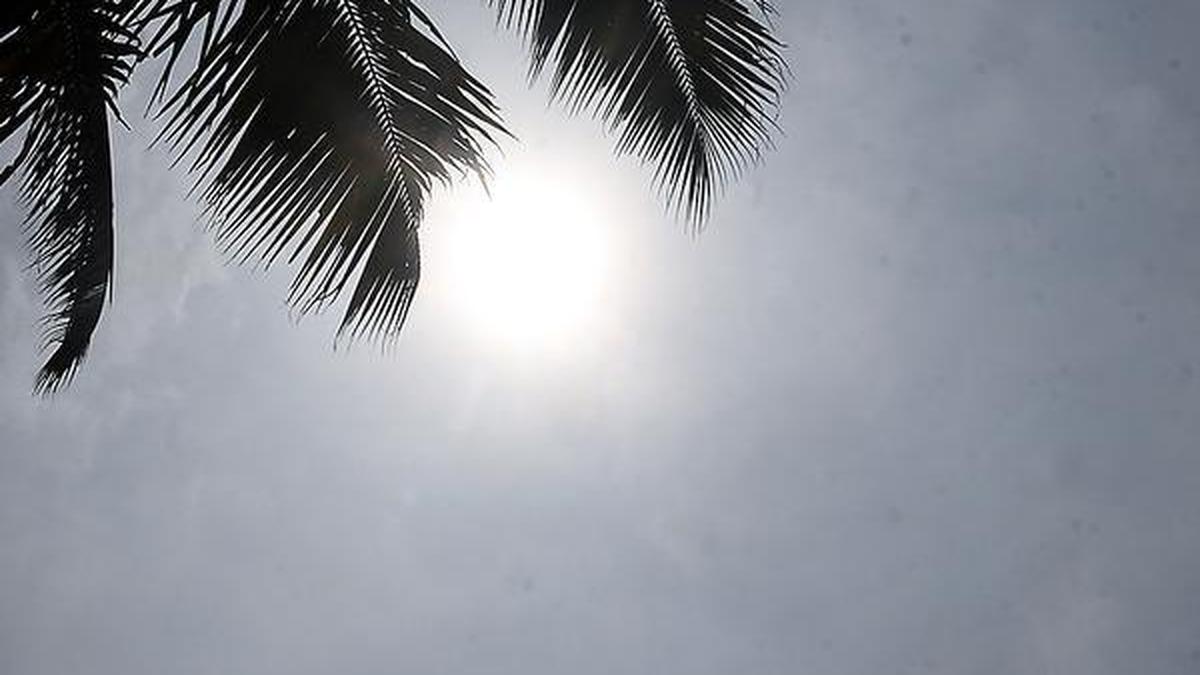
Kerala is currently experiencing a period of extreme heat and high humidity as the expected summer rains have failed to arrive. Recent data shows that temperatures in several districts have climbed to dangerous levels, with some areas crossing the 40-degree Celsius mark. This lack of rainfall is making the daily lives of residents difficult and raising concerns about health and water safety across the state. The situation is expected to continue until a significant weather change brings the much-needed cooling showers.
Main Impact
The primary impact of this weather pattern is the intense physical discomfort felt by the public. Because Kerala is a coastal state, the air holds a lot of moisture. When high temperatures combine with high humidity, the "real feel" temperature becomes much higher than what is shown on a thermometer. This makes it harder for the human body to cool down through sweating.
Outdoor workers, such as construction laborers and street vendors, are the most affected. Many have had to change their working hours to avoid the midday sun. Additionally, the heat is putting a strain on the state's power grid as more people use fans and air conditioning units to stay cool. Without the usual summer showers to dampen the ground, the heat radiates off the roads and buildings, keeping the air hot even after the sun goes down.
Key Details
What Happened
The India Meteorological Department (IMD) released new data on Monday morning showing a sharp rise in temperatures across Kerala. The state usually expects a series of light to moderate rains during March and April, often called "Mango Showers." However, this year, these rains have been very thin or completely absent in many regions. This has allowed the sun to heat the land without any natural cooling breaks.
Important Numbers and Facts
According to the 24-hour data recorded by the IMD ending at 8:30 am on Monday, Palakkad was the hottest place in the state. The maximum temperature there reached 40.1 degrees Celsius. This is a significant figure, as temperatures above 40 degrees are considered extreme for the region. Following closely was Punalur in the Kollam district, which recorded a high of 39.5 degrees Celsius. Other districts are also seeing temperatures consistently staying between 37 and 39 degrees Celsius, which is several degrees above the normal average for this time of year.
Background and Context
Kerala usually has a tropical climate where the heat is balanced by frequent rains. The summer showers are vital because they help lower the temperature before the heavy monsoon rains arrive in June. These early rains also help the soil stay moist, which is important for the state's many farms and plantations. When these rains fail, the state enters a period of "dry heat" during the day and "sticky heat" at night.
The geography of places like Palakkad makes them more prone to high heat. Palakkad sits near a mountain pass that often allows hot winds to blow in from neighboring states. Without rain to settle the dust and cool the air, these winds make the heat feel even more intense. This year, atmospheric conditions have not been right for clouds to form and bring rain, leading to this extended dry spell.
Public or Industry Reaction
Health officials have issued warnings to the public to stay safe. Doctors are advising people to drink plenty of water, even if they do not feel thirsty, to prevent dehydration. There is also a warning about heatstroke for those who spend too much time in the sun between 11 am and 3 pm. Schools and local groups are being asked to ensure that children and the elderly stay in shaded or cool areas.
The agricultural sector is also worried. Farmers who grow crops like coconut, pepper, and rubber rely on the summer showers to keep their plants healthy. If the dry spell continues, it could lead to a lower harvest later in the year. Animal farmers are also reporting that livestock are struggling with the heat, which can lead to lower milk production.
What This Means Going Forward
If the rains do not arrive soon, Kerala could face a water shortage. Many of the state's wells and small ponds depend on summer showers to stay full before the monsoon. A drop in water levels could affect both drinking water supplies and irrigation for farms. The weather department is monitoring the situation closely to see if any low-pressure systems form in the nearby ocean, which could finally bring some rain.
For now, residents must prepare for more hot days. The state government may consider issuing further heat advisories if the temperature continues to stay above 40 degrees. People are encouraged to wear light cotton clothes and avoid heavy physical activity during the hottest parts of the day. The focus remains on public safety and managing water resources until the weather changes.
Final Take
The current heatwave in Kerala shows how much the state depends on its seasonal rain cycles. While high temperatures are expected in April, the combination of record heat and a lack of rain is creating a difficult situation for everyone. Staying informed about weather updates and taking simple health precautions are the best ways for people to handle this challenging weather.
Frequently Asked Questions
Which part of Kerala recorded the highest temperature?
Palakkad recorded the highest temperature in the state, reaching 40.1 degrees Celsius according to the latest IMD data.
Why is the weather so humid in Kerala?
Kerala is located near the ocean, which means the air carries a lot of moisture. When it is hot, this moisture creates high humidity, making it feel much hotter than the actual temperature.
What are summer showers and why are they missing?
Summer showers are light rains that usually happen in March and April. They are missing this year because the atmospheric conditions needed for rain clouds to form have not occurred, leading to a dry and hot spell.



