
Summary
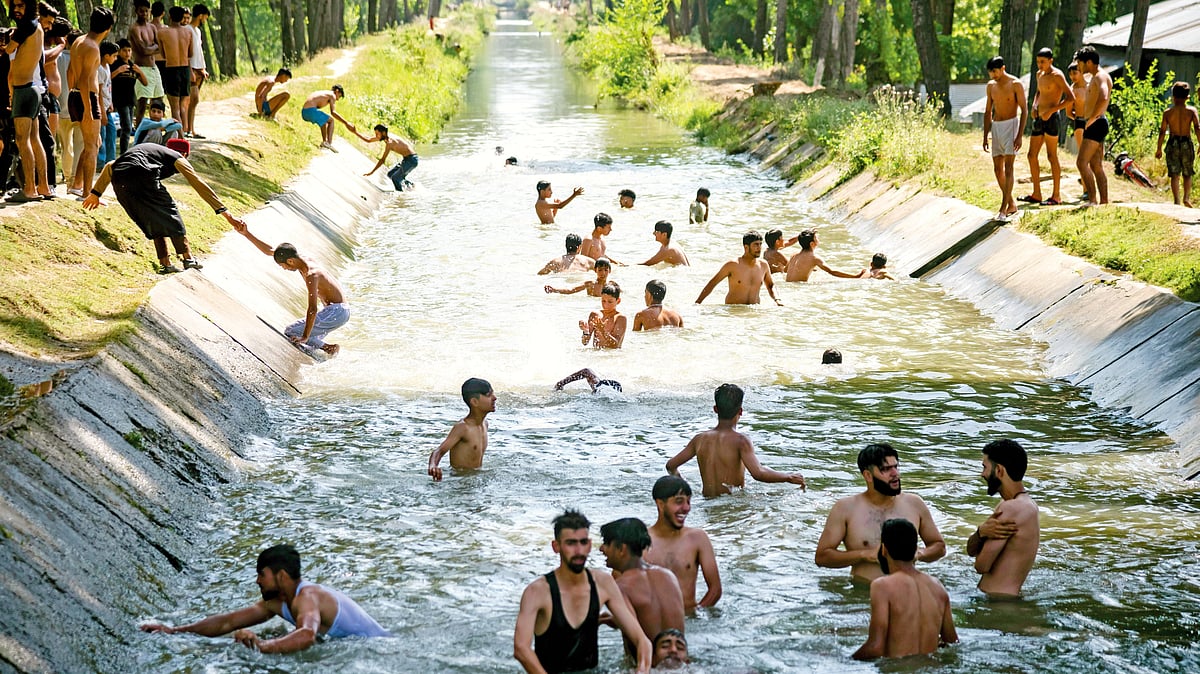
Indian cities are finding that rain alone is not enough to beat the heat. Experts warn that rising humidity and warmer nights are making traditional heat plans outdated. Even during the monsoon season, many urban areas remain dangerously hot because of high moisture in the air. Cities like Delhi, Mumbai, and Ahmedabad are seeing more humid heat days than ever before. This shift demands year-round, local strategies instead of just seasonal fixes.
Main Impact
The main problem is that heat in Indian cities is no longer just about high daytime temperatures. Humidity and nighttime heat are now major drivers of health risks. For example, in Delhi during July and August, the "feels-like" temperature often reaches 46°C to 50°C even when the actual air temperature is lower. This happens because high humidity traps heat and makes it harder for the body to cool down. As a result, people rely more on air conditioning, which increases electricity demand and can strain power grids. The impact is felt most in densely populated areas where the urban heat island effect makes conditions worse.
Key Details
What Happened
India's southwest monsoon has arrived, bringing rain to many parts of the country. While this lowers daytime temperatures, experts say it does not solve the heat problem. Humidity remains high, making the air feel much hotter than it actually is. Studies show that the number of dangerously humid heat days in India has risen from 101 per year in the 1970s to 141 in recent years. Cities like Delhi, Ghaziabad, Nagpur, Raipur, Ahmedabad, and Jaipur have seen the biggest increases.
Important Numbers and Facts
A study by the Council on Energy, Environment and Water (CEEW) looked at 734 districts and found rising nighttime temperatures and increasing humidity across the Indo-Gangetic Plain. Another study by Climate Central, released on June 24, 2026, used a wet-bulb temperature threshold of 25°C or above. Above this level, the human body struggles to cool itself through sweating. The study found that humid heat days have increased by 40% over five decades. Nighttime heatwaves are also becoming more common, with cities like Delhi, Agra, Kanpur, Varanasi, and Kochi experiencing persistent warm nights between 2001 and 2024.
Background and Context
India has long relied on Heat Action Plans (HAPs) that focus on daytime measures like providing drinking water, setting up cooling zones, and running public awareness campaigns. These plans work well for short-term relief during heatwaves. But they are not designed to handle the new reality of humid heat and warm nights. Scientists say warming waters in the Arabian Sea and the Bay of Bengal are carrying more moisture inland. Combined with rapid urbanisation and the urban heat island effect, this extra moisture reduces nighttime cooling and keeps daytime temperatures high. As a result, cities need to shift from seasonal responses to year-round strategies that address both humidity and nighttime heat.
Public or Industry Reaction
Experts and researchers are calling for more comprehensive heat plans. Kashif Imdad, an associate professor at CSJM University in Kanpur, said most city heat action plans still focus on daytime measures like drinking water and medical preparedness. He argued that future plans should also include cool roofs, more green cover, natural ventilation, reliable electricity, and round-the-clock emergency services. Rajan Rawal, a professor at CEPT University, warned that single solutions like cool roofs have limits. He said indoor comfort depends on many factors, including humidity, surrounding air temperatures, and heat absorbed through walls and windows. Traditional features like courtyards and high ceilings are also less effective in dense urban areas where surrounding temperatures stay high.
What This Means Going Forward
Indian cities must adopt more sophisticated heat planning. Newer heat action plans are starting to include local climate conditions, vulnerability assessments, and future heat risk projections. For example, Thane's 2024 Heat Action Plan uses the IPCC risk assessment framework to map hazards at the ward level. CEEW is helping 145 cities across seven states prepare similar plans. Bhubaneswar is also launching a climate-risk dashboard that will map heat stress at the building level using satellite imagery and local sensor data. This tool will help identify vulnerable locations like schools, hospitals, and transport hubs. Experts say data-driven tools, combined with locally tailored infrastructure and governance measures, will be key to adapting to more frequent and intense humid heat conditions.
Final Take
Rain is no longer a reliable solution for India's heat problem. The combination of humidity, warm nights, and urban growth is making cities more dangerous during hot months. To protect public health, cities need to move beyond temporary fixes and invest in permanent, localised strategies. This includes better building designs, smarter greening efforts, and round-the-clock emergency systems. The shift will require higher upfront costs, but it can reduce long-term dependence on air conditioning and limit waste heat released into urban environments. As climate patterns continue to change, Indian cities must adapt or face worsening heat risks.
Frequently Asked Questions
Why does rain not cool down cities enough during the monsoon?
Rain lowers daytime temperatures, but it also increases humidity. High humidity makes the air feel much hotter than it actually is. This is because the body's ability to cool itself through sweating is reduced when the air is already full of moisture. So even with rain, cities can remain dangerously hot.
What is a "humid heat day" and why is it dangerous?
A humid heat day is when both temperature and humidity are high enough to make it hard for the human body to cool down. Scientists use a measure called wet-bulb temperature. When it reaches 25°C or above, sweating stops working well, and the body can overheat quickly. This can lead to heatstroke and other health problems.
What can cities do to better handle humid heat?
Cities need to move beyond seasonal heat plans and adopt year-round strategies. This includes installing cool roofs, expanding green cover, improving natural ventilation, and ensuring reliable electricity for cooling. They also need to use data tools to map heat risks at the local level and target vulnerable areas like schools and hospitals.

