
Summary
Nearly 10,000 Indian soldiers who died during World War I have finally been added to official war records, more than a century after their deaths. The soldiers, who served in the British Indian Army, were left out because of decisions made by colonial authorities at the time. A five-year research project called the Punjab Registers project found their names and corrected this long-standing mistake. The Commonwealth War Graves Commission (CWGC) now recognizes these soldiers, bringing closure to their families and restoring a missing part of history.
Main Impact
The addition of 9,909 Indian soldiers to the CWGC database corrects a historical error that had kept their sacrifices hidden for over 100 years. These men died while serving in the British Indian Army during World War I, but their deaths were never officially recorded because of colonial-era rules. The CWGC says this omission denied them the war graves status they deserved. Now, their names are part of the official record, ensuring they are remembered alongside other Commonwealth soldiers. For families, this recognition brings long-awaited honor and closure, as they can finally trace their ancestors' service and sacrifice.
Key Details
What Happened
The Punjab Registers project was a collaboration between the CWGC, the UK Punjab Heritage Association, and the University of Greenwich. Researchers spent five years digitizing and studying fragile recruitment registers kept at the Lahore Museum. These documents contained the names and service records of about 320,000 Punjabi recruits who served during the war. By comparing more than 15,900 recorded deaths with 74,000 existing CWGC Indian Army records, the team found that 9,909 casualties had never been included. Most of these soldiers died in non-operational areas within India and were excluded because the British Indian government at the time ruled they did not qualify for war graves status.
Important Numbers and Facts
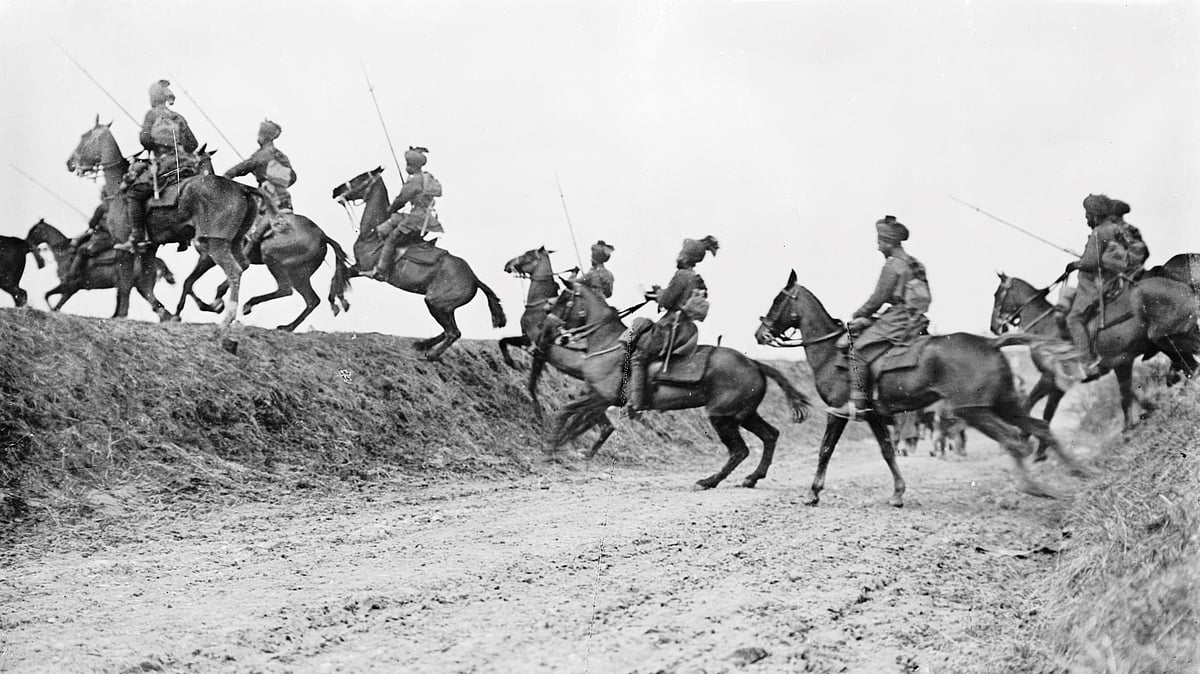
The project identified 9,909 previously unrecognized soldiers. More than 1.4 million men from the British Indian Army served in World War I between 1914 and 1918. Roughly one in six soldiers fighting for Britain came from pre-Partition India, with nearly half a million recruited from Punjab. The CWGC's Non-Commemoration Programme, launched in 2021, has so far found more than 20,000 previously unrecognized casualties for official remembrance.
Background and Context
World War I was a global conflict that lasted from 1914 to 1919. The British Indian Army played a major role, with soldiers from pre-Partition India fighting in Europe, Africa, and the Middle East. Despite their large numbers and significant contributions, many Indian soldiers were left out of official histories and records. This was partly due to colonial-era attitudes that did not value their service equally. The Punjab Registers project is part of a larger effort by the CWGC to address these historical inequalities and ensure all Commonwealth soldiers are properly commemorated.
Public or Industry Reaction
Families of the soldiers have expressed deep gratitude and emotion. Dr. Inder Singh Palahey, a dentist from Leicester, said finding information about his great-grandfather Kesar Singh after years of searching was incredibly moving. He noted that his great-grandfather left a widow and two young children in poverty, and now the family's sacrifice is finally recognized. Former England rugby player Manjinder Nagra also discovered her maternal great-grandfather Jagat Singh was among the missing soldiers. She said learning about his official recognition was overwhelming and that it means everything to her family. Historian Amandeep Madra, chair of the UK Punjab Heritage Association, called the project a correction of a historical injustice. He said the decision to exclude these soldiers was not because they didn't serve, but because of a century-old ruling. Professor Gavin Rand from the University of Greenwich added that the project has helped families and communities connect with their shared history.
What This Means Going Forward
The CWGC says it remains committed to providing meaningful physical commemoration for these soldiers. It will continue working with Commonwealth governments on plans for a memorial that honors them with dignity and respect. The Non-Commemoration Programme will keep searching for other missing casualties. This project also highlights the importance of preserving historical records and correcting past mistakes. For families, the recognition brings a sense of closure and pride, knowing their ancestors' sacrifices are finally acknowledged. It also serves as a reminder that commemoration is about personal identity, family legacy, and recognizing the human cost of war.
Final Take
The addition of nearly 10,000 Indian soldiers to official war records is a long-overdue correction of a historical wrong. It shows that even after a century, it is never too late to honor those who served and died. For the families, this recognition means their ancestors are no longer forgotten. For the wider world, it is a reminder of the immense contributions of Indian soldiers in World War I and the importance of remembering all who gave their lives.
Frequently Asked Questions
Why were these Indian soldiers not commemorated earlier?
These soldiers were left out because of rulings made by the British Indian government during the colonial era. The government decided that soldiers who died in non-operational areas within India did not qualify for war graves status. As a result, their names were never shared with the Commonwealth War Graves Commission.
How were the missing soldiers found?
Researchers used the Punjab Registers project, which involved digitizing and analyzing fragile recruitment registers from the Lahore Museum. They compared over 15,900 recorded deaths with 74,000 existing CWGC Indian Army records. Using computer-assisted analysis and expert verification, they identified 9,909 casualties that had never been included.
What does this recognition mean for the families?
For families, this recognition brings closure and honor. Many descendants had spent years searching for information about their ancestors. Now, they can find their relatives' names in the official CWGC database, ensuring their sacrifice is remembered. It also helps restore family histories and acknowledges the personal cost of war.

