Summary
Recent violent events have forced business and political leaders to rethink their personal safety. The attempted shooting of Donald Trump at a major dinner and attacks on tech leaders show that the world is becoming more dangerous for high-profile people. Companies are now spending more money on security and changing how their executives travel and communicate. These steps are necessary to protect leaders from both physical harm and new digital threats like AI-powered fraud.
Main Impact
The biggest impact of these events is a major shift in how companies handle executive protection. Security is no longer just about having bodyguards; it now involves managing digital data and changing daily habits. Because threats against CEOs have increased sharply, businesses are treating safety as a top priority for their survival. This change affects everything from how meetings are planned to how an executive’s family stays safe at home.
Key Details
What Happened
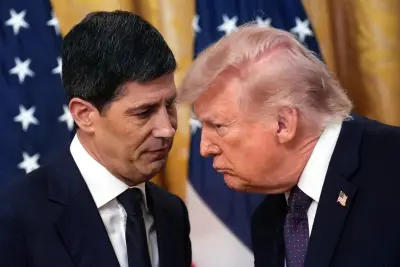
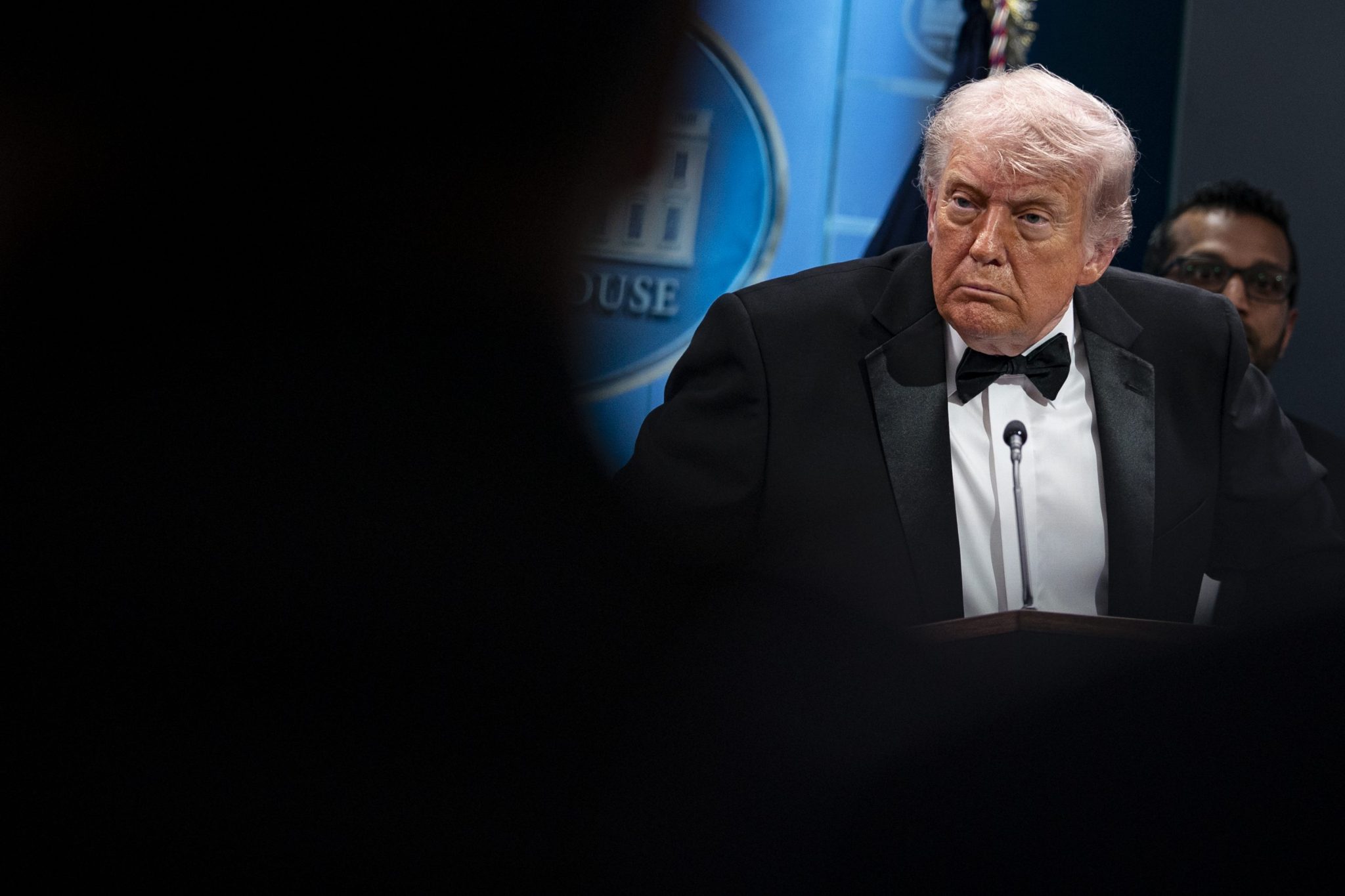
On Saturday, April 26, 2026, a man named Cole Tomas Allen attempted an attack during the White House Correspondents’ Dinner. He had prepared for the event by booking a room at the Hilton hotel where the dinner was held. This event follows a series of other scary incidents, including a Molotov cocktail attack on the home of OpenAI CEO Sam Altman. These attacks show that even high-tech security at home or at official events may not be enough to stop determined individuals.
Important Numbers and Facts
Security experts have seen a massive jump in threats recently. In the five weeks following the death of UnitedHealthCare CEO Brian Thompson in late 2024, researchers found more than 2,200 direct threats against other CEOs. This was more than the total number of threats recorded in the entire year before that. Additionally, at the recent White House dinner, 12 out of the 18 people in the line of presidential succession were in the same room, which many experts believe was a huge security mistake.
Background and Context
The rise in violence comes at a time when people are losing trust in big organizations. When people feel angry or ignored by the government and large companies, the risk of violence often goes up. At the same time, technology has made it easier for attackers to find information. AI tools can now be used to create fake voices or messages, making it cheaper and easier for criminals to trick or scare leaders and their families. Global tensions, such as the ongoing conflict with Iran, also make the world feel less stable for everyone.
Public or Industry Reaction
Many top business leaders are now speaking out about the need for more safety and better social stability. CEOs from companies like Citadel and Chubb have written about the importance of protecting democracy and reducing hate speech. They believe that when hate speech is allowed to grow, it leads to real-world crimes. Some companies are focusing on building trust with their own employees to create a safer environment. For example, Synchrony has been recognized for its efforts to keep trust high among its staff, which helps protect the company’s reputation and safety.
What This Means Going Forward
In the future, the way leaders move through the world will look very different. We can expect to see more "secret" events where the location is only shared at the last minute. Executives will likely use fake names when booking hotels or traveling to stay under the radar. Companies will also start training the families of their leaders on how to spot AI scams. Most importantly, there will be a push for "leadership succession" rules, ensuring that too many important people are never in the same place at the same time.
Final Take
Keeping leaders safe in a divided world requires more than just locks and alarms. It requires a mix of smart travel habits, digital privacy, and a focus on rebuilding trust with the public. As threats become more common, the companies that succeed will be the ones that take these risks seriously and act before a crisis happens. Safety is now a core part of doing business in the modern age.
Frequently Asked Questions
Why are threats against CEOs increasing?
Threats are rising because of social anger, a lack of trust in big institutions, and the ease of using social media and AI to target individuals.
How can AI be a security threat to leaders?
AI can be used to clone voices or create fake videos. Criminals use these to trick family members or employees into giving away money or private information.
What is a "safe word" and why is it used?
A safe word is a secret word known only to a family or a team. It is used during phone calls to prove that the person speaking is actually who they say they are, helping to prevent fraud.