
Summary
West Bengal is currently facing a major weather split that is affecting millions of residents. The southern part of the state is dealing with intense dry heat and rising temperatures, while the northern districts are preparing for rain and thunderstorms. This sharp divide is expected to last throughout the week, creating very different daily conditions for people living in different parts of the state. While the south struggles with a lack of moisture, the north is seeing a steady flow of clouds from the mountains.
Main Impact
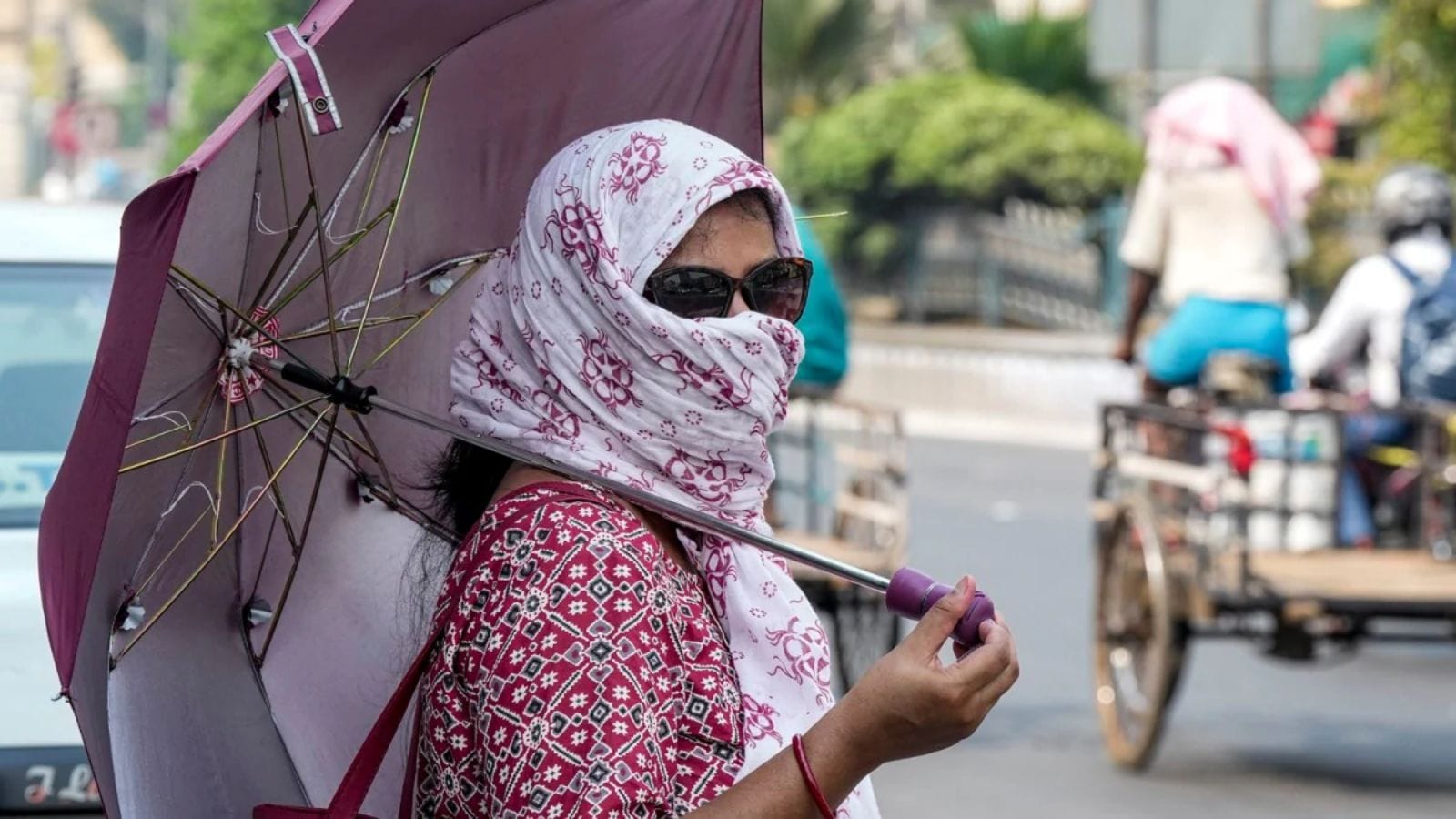
The primary impact of this weather pattern is the extreme discomfort in South Bengal. Temperatures are climbing steadily, and several districts are on the verge of a heatwave. This makes outdoor work dangerous during the middle of the day and increases the risk of heat-related illnesses. In the north, the impact is the opposite. Rain and cooler winds are keeping the temperatures down, which is good for the local environment but may cause some minor travel issues in the hilly areas. The difference in weather also means that farmers in the south are worried about their crops drying out, while those in the north must manage excess water.
Key Details
What Happened
The India Meteorological Department (IMD) has released a new forecast showing a clear separation in weather systems across West Bengal. A high-pressure system and dry winds from the western part of India are moving into the southern districts. These winds are hot and carry very little moisture, which prevents clouds from forming. At the same time, moisture-laden winds from the Bay of Bengal are hitting the Himalayan foothills in the north. This creates a situation where one half of the state is burning under the sun while the other half stays under cloud cover.
Important Numbers and Facts
In South Bengal, temperatures in districts like Bankura, Purulia, and West Medinipur are expected to reach between 40 and 42 degrees Celsius. Even in Kolkata, the temperature is likely to stay around 38 or 39 degrees Celsius, with high humidity making it feel even hotter. In contrast, North Bengal districts like Darjeeling and Kalimpong will see much lower temperatures, often staying below 20 to 25 degrees Celsius during the day. The IMD predicts light to moderate rainfall in Alipurduar, Cooch Behar, and Jalpaiguri, with some areas receiving up to 30mm of rain over the next few days.
Background and Context
April is usually a month of transition in West Bengal. Typically, this time of year brings "Kalbaisakhi" or Nor'westers, which are evening thunderstorms that provide relief from the heat. However, this year, these storms have been missing in the southern districts. The lack of these storms is why the heat is becoming so intense. The geography of the state plays a big role here. The northern part is close to the Himalayas, which helps trap moisture and create rain. The southern part is more open to the dry, hot air coming from the plains of North India. This creates a natural barrier that results in the two different weather experiences we are seeing now.
Public or Industry Reaction
Health experts and doctors have started issuing warnings to the public in South Bengal. They are advising people to stay indoors between 11 AM and 4 PM to avoid heatstroke. Schools in some areas are considering changing their timings to earlier in the morning to protect students from the afternoon sun. In the north, the reaction is quite different. The tourism industry is seeing a small boost as people from the hot plains try to find relief in the cooler hill stations. However, tea garden owners in the north are keeping a close eye on the rain, as too much water or hail can damage the sensitive tea leaves during this important growing season.
What This Means Going Forward
Looking ahead, the dry spell in South Bengal does not seem to have an immediate end. Weather models suggest that the hot westerly winds will continue to dominate for at least another five to seven days. This means the risk of a formal heatwave declaration is very high for the western districts of the state. For North Bengal, the rainy pattern is expected to continue intermittently. Residents in the south should prepare for higher electricity bills as cooling needs increase, and local governments may need to manage water supplies more carefully if the dry weather continues for a long time. There is a small hope that a change in wind direction later next week might bring some moisture to the south, but nothing is certain yet.
Final Take
The current weather situation in West Bengal is a reminder of how quickly local climates can change. While one part of the state deals with a scorching summer, the other enjoys a pre-monsoon cooling. It is a week of two extremes, and staying informed about local forecasts is the best way for residents to stay safe and comfortable. Whether you are carrying an umbrella for the rain or a water bottle for the heat, being prepared is essential this week.
Frequently Asked Questions
When will it rain in South Bengal?
Current forecasts show no significant rain for South Bengal for at least the next five to seven days. The region remains under the influence of dry, hot winds.
Is there a heatwave warning for Kolkata?
While Kolkata will be very hot and humid, the most severe heatwave warnings are currently for western districts like Bankura and Purulia. However, Kolkata residents should still take precautions.
Which districts in North Bengal will get the most rain?
The heaviest rain is expected in the districts of Alipurduar, Cooch Behar, and Jalpaiguri, along with the hilly areas of Darjeeling and Kalimpong.



