Summary
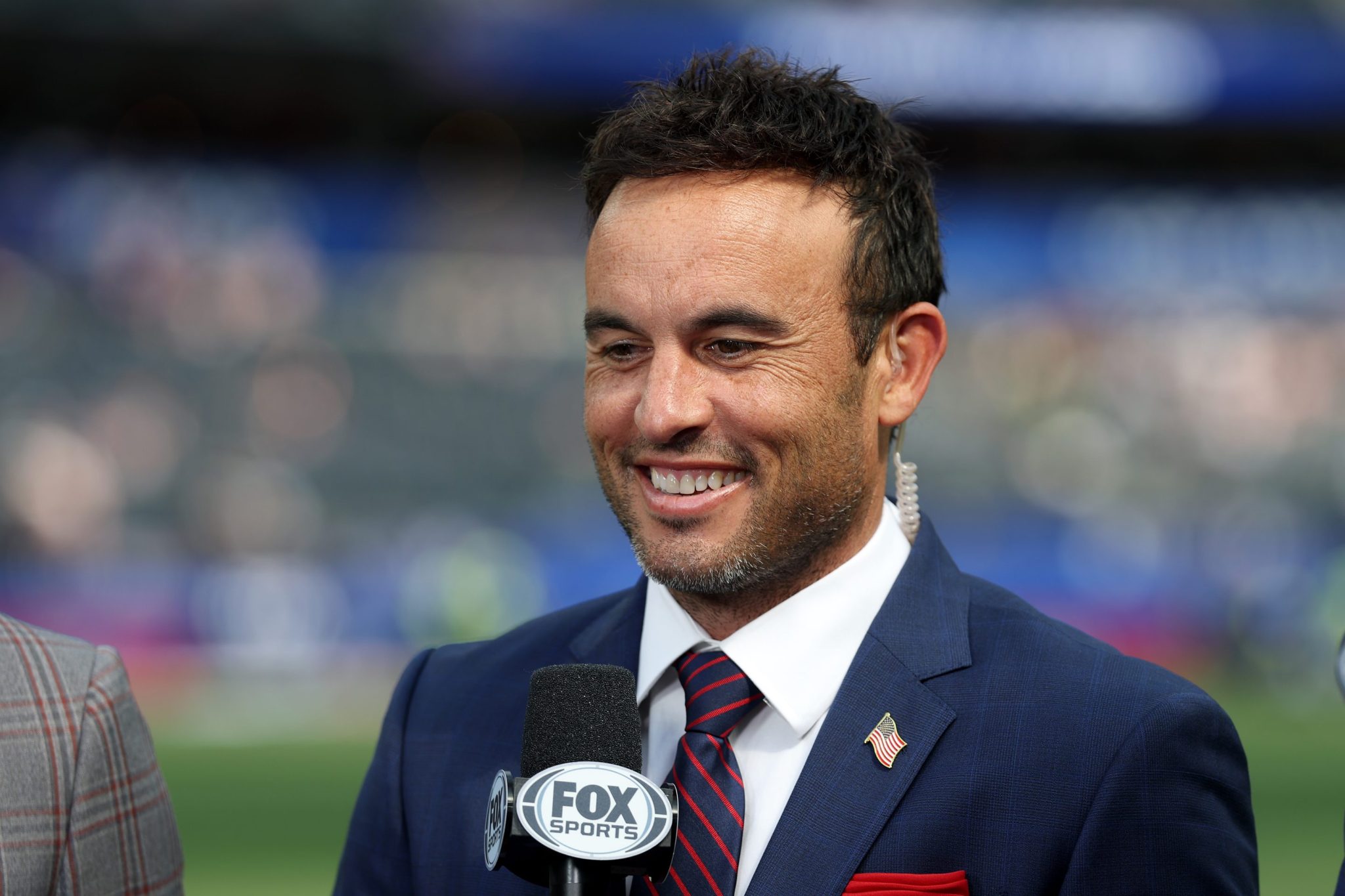
U.S. soccer legend Landon Donovan says he would not be able to break into professional soccer today because youth sports have become too expensive. Donovan, who grew up with a single mother earning $34,000 a year, relied on someone else paying his club fees to play. He warns that the rising cost of youth sports is shutting out talented kids from low-income families and hurting the future of American soccer.
Main Impact
Donovan’s comments highlight a growing problem in U.S. youth sports: the high cost of participation. According to a 2025 Aspen Institute report, youth sports costs have jumped 46% from 2019 to 2025. Travel soccer leagues alone can cost families up to $15,000 a year. Donovan argues that this system blocks talented kids who cannot afford to play, weakening the pipeline for future professional players.
Key Details
What Happened
In a recent episode of The Late Run podcast, Landon Donovan shared his personal story. He said his mother, a single mom raising three kids on $34,000 a year, could not afford the $4,000 fee for club soccer. Someone else paid for him to join the team. Without that help, Donovan said he would never have played at a high level.
Important Numbers and Facts
- Youth sports costs rose 46% from 2019 to 2025.
- Travel soccer can cost up to $15,000 per year for coaching and travel.
- About 55.4% of U.S. kids aged 6-17 played a sport in 2023.
- The Amateur Sports Act of 1978 stops the U.S. government from funding Olympic sports.
- Private equity firm EQT bought IMG Academy for $1.25 billion in 2023.
Background and Context
Youth sports in the U.S. are mostly run by private clubs and leagues, not schools or the government. This means families must pay for equipment, coaching, referees, and travel. The 1978 Amateur Sports Act also prevents federal funding for Olympic sports, so most teams are in wealthier areas. Private equity firms have started buying youth sports facilities, which can push costs even higher. Donovan’s story shows how this system can leave behind talented kids from poor families.
Public or Industry Reaction
Tom Farrey, executive director of the Aspen Institute’s Sports & Society program, told The Athletic that the U.S. sports system is not built to develop talent. He said it is “primarily a system set up to use kids to make money for adults.” Donovan himself said, “The clubs are winning, and the kids are losing.” Many experts agree that the high cost of youth sports is a barrier for low-income families.
What This Means Going Forward
If youth sports continue to get more expensive, the U.S. could miss out on many talented athletes. Donovan’s own career shows that support from others can make a huge difference. Without changes, the pipeline for future professional players may shrink. Some groups are calling for more funding for youth sports or for clubs to offer scholarships. But without action, the problem is likely to get worse.
Final Take
Landon Donovan’s story is a clear warning. The rising cost of youth sports is not just a money issue—it is a talent issue. If the U.S. wants to keep producing world-class athletes, it must find ways to make sports affordable for all kids, not just those who can pay.
Frequently Asked Questions
Why did Landon Donovan say he couldn’t break through today?
Donovan said his single mother could not afford club soccer fees. Someone else paid for him. He believes that today, many talented kids from low-income families are shut out because youth sports are too expensive.
How much does youth soccer cost in the U.S.?
Travel soccer leagues can cost families up to $15,000 per year. Overall, youth sports costs have risen 46% since 2019, according to the Aspen Institute.
What is being done about the high cost of youth sports?
Some experts and organizations are calling for more funding and scholarships. But no major changes have been made yet. The problem continues to grow as private equity firms invest in youth sports facilities.