
Summary
The Supreme Court of India has declined to give immediate relief to 27 lakh people in West Bengal whose names were removed from the voter lists. These individuals will not be allowed to vote in the upcoming state elections scheduled for April 23 and April 29. The court decided that it cannot interfere while legal appeals are still being processed by special tribunals. This decision affects a massive number of citizens who claim they were removed from the rolls without a fair reason.
Main Impact
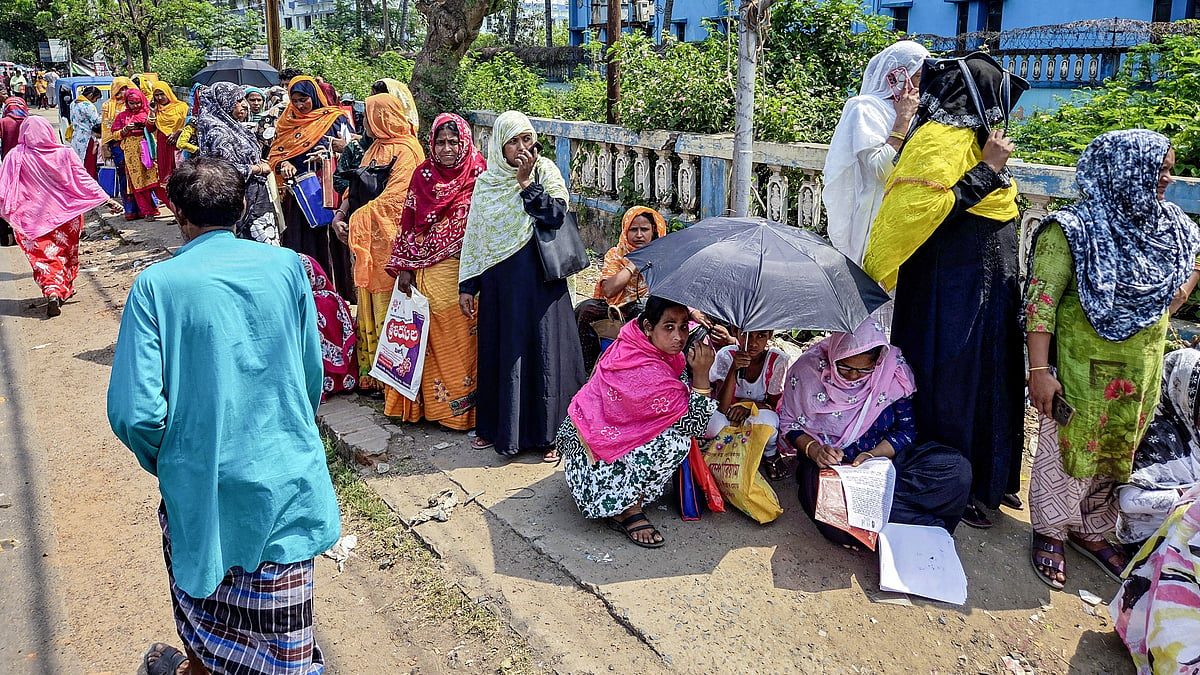
The primary impact of this ruling is that a significant portion of the population in West Bengal will lose their chance to participate in the 2026 Assembly elections. Many of these people have voted in every previous election and hold valid Indian documents. By refusing to step in, the court has signaled that the legal process must follow its course, even if it means thousands of people cannot exercise their right to vote this time. This could potentially influence the outcome of the elections in several districts where the number of deleted voters is high.
Key Details
What Happened
On Monday, April 13, a bench led by Chief Justice of India Surya Kant heard a plea from the West Bengal government and several activists. They asked the court to use its special powers to let 27 lakh deleted voters cast their ballots. The petitioners argued that these people were removed from the lists by officials who did not provide any written reasons for doing so. However, the Supreme Court refused to grant this request, stating that it would not be right to allow people to vote while their cases are still being reviewed by legal experts.
Important Numbers and Facts
The scale of the issue is quite large. Around 27 lakh voters were removed from the official lists. According to reports, about 34 lakh appeals have been filed across 19 different tribunals as of April 11. The court noted that the last day for filing nominations was April 9. Only those whose appeals were approved by that date are currently guaranteed a spot on the voter list. The elections are set to take place in two phases on April 23 and April 29, leaving very little time for the remaining millions of appeals to be heard.
Background and Context
This situation started when many citizens found their names missing from the electoral rolls. In many cases, these were people who had been successfully matched to the state's 2002 voter lists. The Election Commission of India (ECI) had previously promised that anyone on the 2002 list would not be removed if they were properly mapped. Despite this, many were still deleted. Some of the affected individuals even hold Indian passports or have been assigned as presiding officers to run the polling stations. The law usually requires the Election Commission to give people a notice and a hearing before removing their names, but petitioners claim this did not happen in these cases.
Public or Industry Reaction
Lawyers and activists, including Prashant Bhushan and Yogendra Yadav, urged the court to act quickly to ensure "complete justice." They argued that the court has the power to fix this mistake before the first phase of voting begins. On the other side, some lawyers argued against the inclusion of these voters. Advocate Ashwini Upadhyay mentioned concerns about changes in the state's population structure and supported the idea of keeping certain voters out until their status is fully verified. The court itself expressed concern that if they allowed deleted voters to vote now, they might also have to stop other people from voting whose inclusion is being challenged.
What This Means Going Forward
The Supreme Court has left a small window of hope. It suggested that if the tribunals finish hearing an appeal and approve a voter before the election dates, a supplementary list could be published. However, the court refused to set a strict deadline for the judges in the tribunals to finish their work. This means that for the majority of the 27 lakh people, the chance to vote in this election is likely gone. The focus will now shift to how these tribunals handle the massive backlog of cases and whether the Election Commission will change its process for future elections to prevent such large-scale deletions without explanation.
Final Take
The right to vote is a foundation of any democracy, but this case shows how easily that right can be tied up in legal procedures. While the court wants to maintain the order of the legal system, the result is that millions of citizens may be left out of the democratic process. This situation highlights a major gap between administrative rules and the actual ability of citizens to participate in choosing their government. The outcome of the West Bengal elections will now carry the weight of these missing voices.
Frequently Asked Questions
Why were the 27 lakh voters removed from the list?
They were removed by officials during a review of the electoral rolls. Petitioners claim the removals happened without providing specific reasons or giving the voters a chance to defend their status, even though many had voted before.
Can these deleted voters still vote in the April elections?
Most likely not. The Supreme Court refused to give them immediate permission. Only those whose appeals are officially approved by the tribunals before the polling dates might be included in a last-minute supplementary list.
What was the Supreme Court's main reason for the refusal?
The court stated that it did not want to interfere with the ongoing appeal process in the tribunals. It also feared that granting an exception for one group would lead to more legal challenges that could disrupt the entire election process.

