Summary
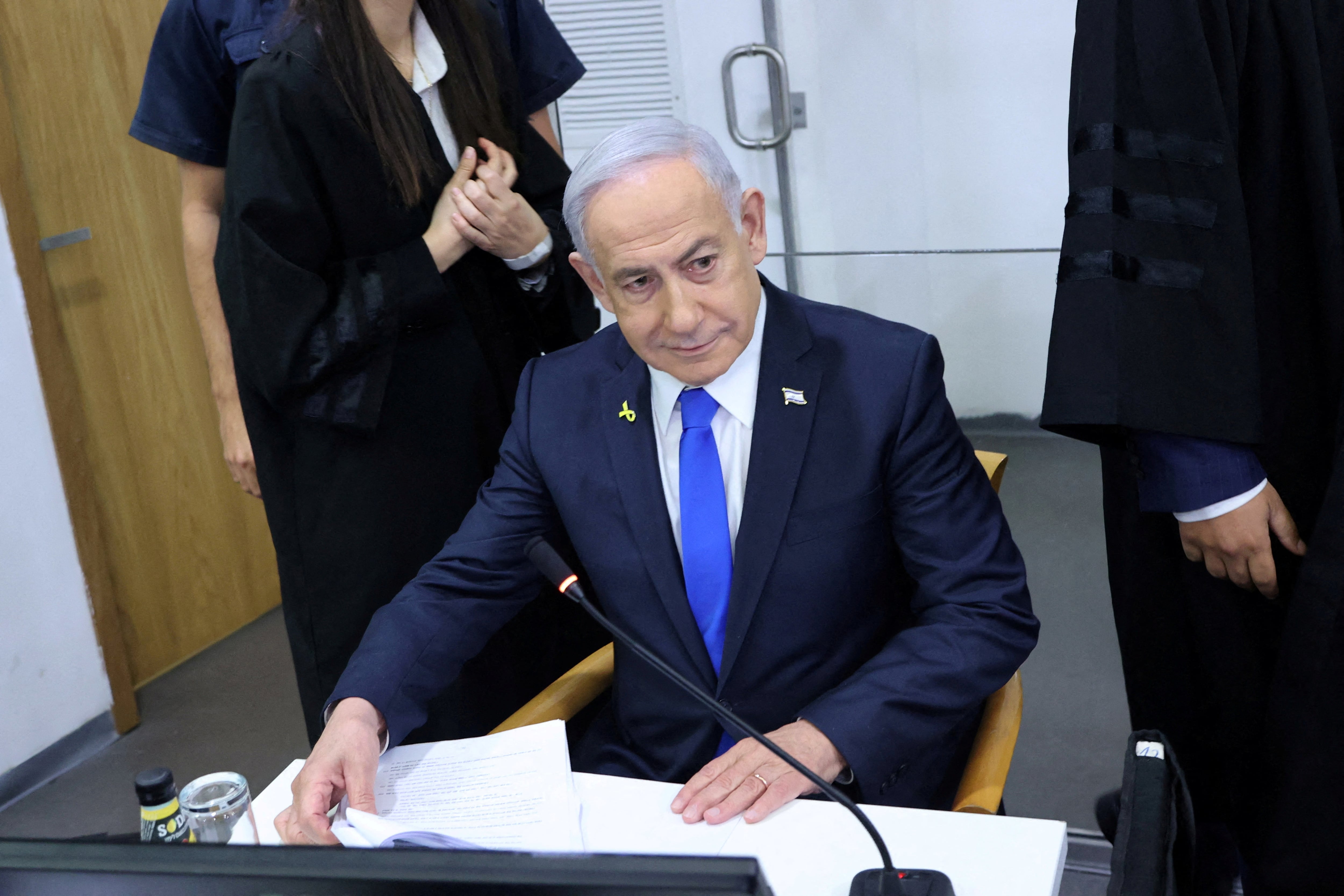
A fragile 15-day ceasefire between the United States and Iran is currently at risk of failing due to intense fighting in Lebanon. Although a truce was recently reached, Israeli air strikes have killed more than 300 people in Lebanon over the last two days. In response, Hezbollah launched dozens of rockets into northern Israel, and Iran slowed down the reopening of a major shipping route. To prevent a total collapse of the peace process, Israeli Prime Minister Benjamin Netanyahu has agreed to start direct talks with the Lebanese government to discuss disarming Hezbollah.
Main Impact
The most significant result of this development is the sudden change in Israel's diplomatic strategy. For a long time, Israel refused to speak directly with the Lebanese government about Hezbollah, preferring to use military force instead. However, pressure from the United States and the threat of a wider war with Iran have forced a change in plans. If these talks succeed, it could lead to a more stable border and keep the larger peace deal between Washington and Teherán alive. If they fail, the entire region could fall back into a much larger and more dangerous conflict.
Key Details
What Happened
The situation began to fall apart shortly after a 15-day ceasefire was announced. Pakistan, acting as a middleman, stated that the truce included Lebanon. However, the leaders of the U.S. and Israel argued that the deal only applied to direct fighting between American and Iranian forces. This disagreement led to a violent 48-hour period. Israel continued to bomb targets in Lebanon, leading to high numbers of deaths. Hezbollah, which is backed by Iran, responded by firing 30 rockets at Israeli towns. This back-and-forth violence made the Iranian government question if the peace deal was worth keeping.
Important Numbers and Facts
The numbers from the last few days show how quickly the situation turned violent. More than 300 people died in Lebanon within just 48 hours of the truce starting. Hezbollah fired 30 projectiles into northern Israel in a single day. The ceasefire itself was only meant to last for 15 days to allow for deeper talks, but it almost ended in less than three. Additionally, Iran has stopped the full reopening of the Strait of Hormuz. This is a vital water path where much of the world's oil is moved. Keeping this path closed or restricted can cause gas prices to rise globally.
Background and Context
This conflict is complicated because it involves many different groups. The United States and Iran have been on the edge of a major war for months. They finally agreed to a short break in fighting to see if they could reach a permanent solution. However, Lebanon is often the place where these powers fight indirectly. Israel sees Hezbollah, a group based in Lebanon, as its biggest immediate threat. Iran supports Hezbollah to keep pressure on Israel. Because of these connections, it is almost impossible to have peace between the U.S. and Iran if the fighting in Lebanon does not stop. The mediator, Pakistan, has been trying to bridge the gap between these different interests, but the definitions of the "truce" were not clear to everyone involved.
Public or Industry Reaction
The reaction to these events has been tense. Iranian President Masud Pezeshkian stated clearly that talking to the U.S. makes no sense if Israel continues to bomb Lebanon. This put immediate pressure on the White House. President Donald Trump reportedly told Prime Minister Netanyahu to cut back on the attacks to save the broader deal. Inside Israel, Netanyahu is facing criticism from his own people. Some citizens feel he promised a "total victory" but is now settling for a ceasefire that allows Hezbollah to remain a threat. By agreeing to direct talks with Beirut, Netanyahu is trying to show that he is seeking a political solution to disarm his enemies without starting a full-scale war with Iran.
What This Means Going Forward
The next few days will be critical for the Middle East. The direct talks between Israel and Lebanon are a new and uncertain step. The main goal is to find a way to move Hezbollah away from the Israeli border and take away their weapons. This is a very difficult task because Hezbollah holds a lot of power within the Lebanese government. If the talks show progress, Iran may fully reopen the Strait of Hormuz and continue peace talks with the U.S. If the talks fail and the bombing starts again, the 15-day ceasefire will likely end early, leading to more violence across the entire region.
Final Take
The move toward direct talks shows that even the strongest military powers realize that bombs alone cannot solve this crisis. While the ceasefire is currently hanging by a thread, the shift toward diplomacy offers a small chance to avoid a global economic and military disaster. The world is now watching to see if these leaders can turn a short break in fighting into a lasting peace.
Frequently Asked Questions
Why is the Strait of Hormuz important?
The Strait of Hormuz is a narrow waterway that connects oil producers in the Middle East to the rest of the world. If it is closed, oil supplies drop and energy prices go up everywhere.
What is Hezbollah's role in this conflict?
Hezbollah is a political and military group in Lebanon supported by Iran. They frequently fight with Israel, which often draws the U.S. and Iran into the conflict.
Who is mediating the peace talks?
Pakistan has been acting as the main middleman to help the United States and Iran communicate and reach a ceasefire agreement.