Summary
The Spanish government is working to help Kian, a 14-year-old student who was recently barred from entering the United States. Kian was chosen to represent the Madrid region at a United Nations educational event in New York, but US authorities denied his entry. The Ministry of Youth and Children and the Ministry of Foreign Affairs are now looking for other ways for the student to participate in the program. This situation has sparked a debate about how security rules affect young students and their education.
Main Impact
The decision by the United States to block Kian’s entry has had a direct impact on his education and the "Global Classrooms" project. This program is highly competitive, and Kian earned his spot through hard work and talent. By preventing him from traveling, the US policy has separated a student from his classmates and his chance to speak at the UN headquarters. The Spanish government is now treating this as a serious matter of fairness, trying to ensure that a child’s nationality does not stop them from accessing unique learning opportunities.
Key Details
What Happened
Kian is a student at the Severo Ochoa Institute in Alcobendas, a town near Madrid. He was one of the top students selected for the Global Classrooms program. This project allows students to act as diplomats and simulate real United Nations meetings. The final stage of the project takes place in New York City. However, because Kian is from Iran, the US government denied his travel request. They used a rule designed to protect the country from foreign terrorists, applying it to a 14-year-old boy who has lived in Spain for a long time.
Important Numbers and Facts
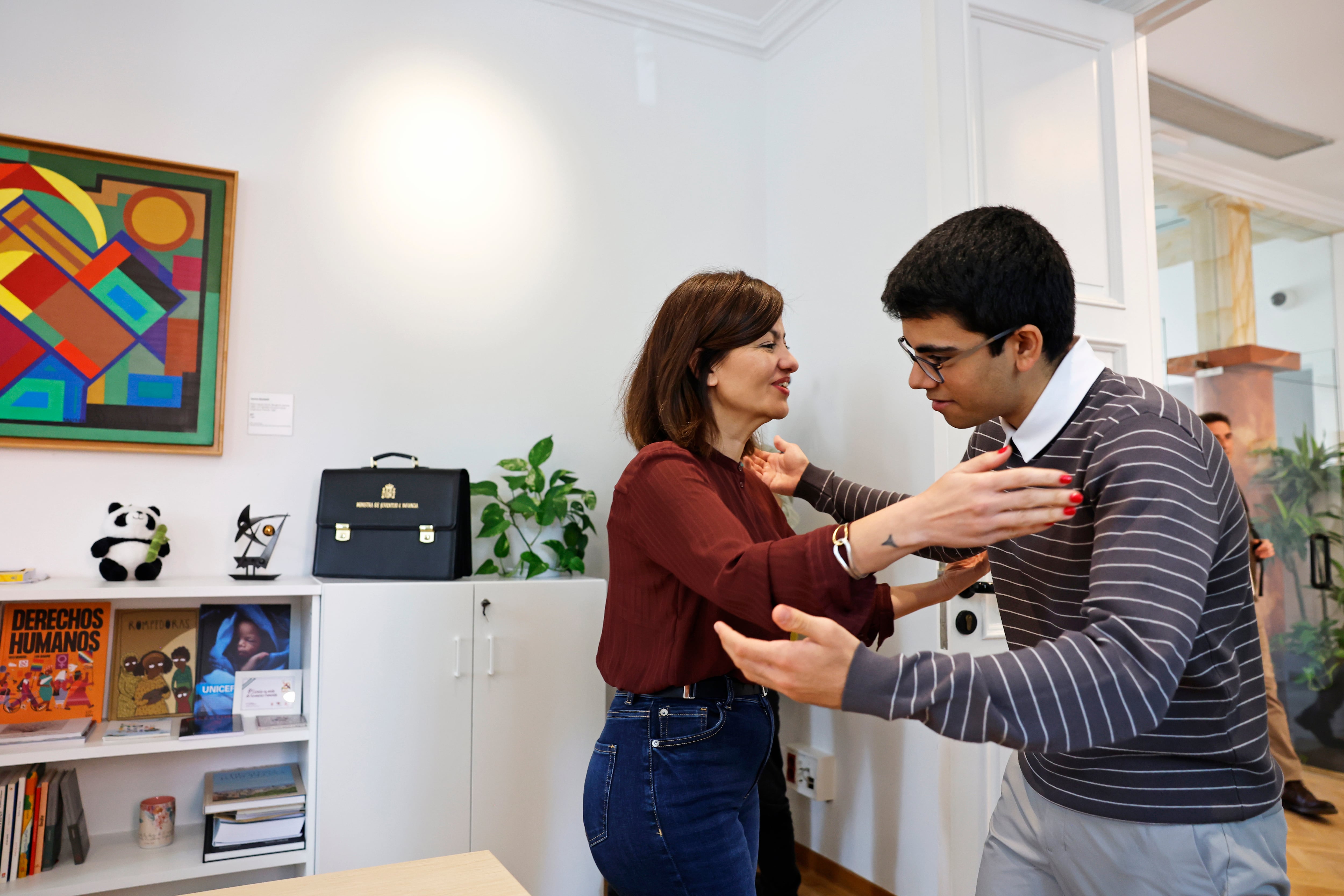
Kian is only 14 years old, making him a minor under the law. He was part of a group of students representing the Community of Madrid. The Spanish government has been active in this case for several days. Sira Rego, the Minister of Youth and Children, met with Kian personally on Friday to discuss the situation. The Ministry of Foreign Affairs also contacted US officials to ask them to change their minds, but the travel ban remained in place. This has forced the government to stop asking for a visa and start looking for other ways for Kian to be part of the event.
Background and Context
The Global Classrooms project is a well-known educational initiative in Madrid. It helps students learn about international relations, how to speak in public, and how to solve world problems through talk and agreement. For many students, the trip to the UN in New York is the highlight of their school year. Kian’s case is complicated because of the political tension between the United States and Iran. Even though Kian is a student living in Spain, his place of birth triggered strict US immigration laws that were created for national security. This case shows how these broad laws can sometimes affect people who have nothing to do with political conflicts.
Public or Industry Reaction
The reaction to Kian’s situation has been one of support and concern. Minister Sira Rego expressed that it is not right for a child to be labeled a security risk because of where he was born. Many people in the education community believe that students should be judged on their skills and hard work, not their passports. Kian’s school and his fellow students have also shown strong support, as they believe he deserves to be with them in New York. The Spanish government’s decision to intervene shows how important they believe it is to protect the rights of children living in Spain, regardless of their background.
What This Means Going Forward
Since the US will not allow Kian to enter the country, the Spanish government is exploring "alternatives." This could mean that Kian will participate in the UN sessions through a video link or other digital tools. The goal is to make sure he can still give his presentations and interact with other students from around the world. This case might also lead to more discussions between Spain and the US about how to handle similar situations in the future. It highlights the need for special rules that protect students who are traveling for educational purposes, ensuring they are not unfairly blocked by general security policies.
Final Take
Kian’s story is a reminder that international rules can have a very personal impact. While countries have the right to manage their borders, applying security labels to a 14-year-old student seems out of touch with reality. The effort by the Spanish government to find a solution shows a commitment to education and equality. No student should be denied the chance to succeed because of political issues they cannot control. Finding a way for Kian to participate virtually is a good step, but it also shows that there is still work to do to make international education truly open to everyone.
Frequently Asked Questions
Why was Kian denied entry to the United States?
Kian was denied entry because of his Iranian nationality. US authorities applied a security rule meant to protect the country from foreign threats, which affected his ability to get a visa for the school trip.
What is the Global Classrooms project?
It is an educational program where students simulate United Nations meetings. They learn about diplomacy and global issues, and the best students are invited to a final session at the UN headquarters in New York.
How is the Spanish government helping?
The Spanish government tried to talk to US officials to allow Kian to travel. Now that the travel ban is final, they are looking for ways for him to participate in the event from Spain, likely using video technology.