Summary
High-level officials from the United States and Iran have started peace talks in Islamabad, Pakistan. U.S. Vice President J.D. Vance and Iranian Parliament Speaker Mohamad Baqer Qalibaf are leading the discussions to end the ongoing conflict. While these talks represent a major diplomatic step, Iran has warned that a deal is only possible if their specific conditions are met. The situation remains tense as military actions continue in nearby regions despite the diplomatic efforts.
Main Impact
The meeting in Islamabad is a significant attempt to prevent a larger war in the Middle East. For the first time in recent years, top leaders from both nations are sitting down to find a path toward peace. However, the success of these talks depends on whether the U.S. is willing to lift economic sanctions and if the peace deal will include other areas of conflict, such as Lebanon. If the negotiations fail, officials warn that the entire world could face serious economic and security problems.
Key Details
What Happened
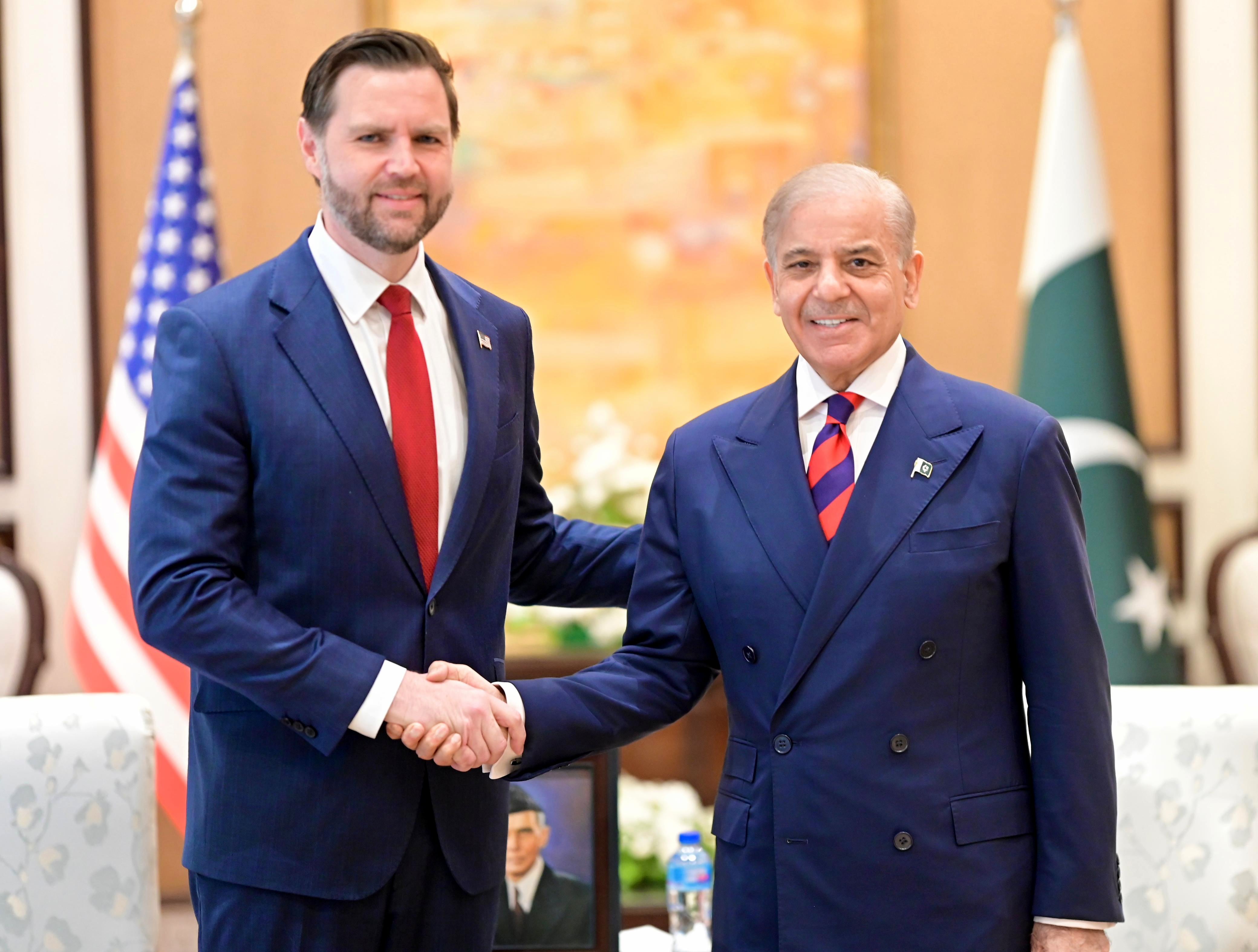
On Saturday, April 11, 2026, the American and Iranian delegations met in the Pakistani capital. This meeting follows months of high tension and military exchanges involving the U.S., Israel, and Iran. The U.S. team is led by Vice President J.D. Vance, showing how important the White House considers these talks. On the other side, Mohamad Baqer Qalibaf represents the Iranian government. The primary goal is to establish a lasting ceasefire and settle long-standing disputes over regional security and economic restrictions.
Important Numbers and Facts
While the leaders talk in Pakistan, the violence on the ground has not stopped. Reports show that at least 13 people died in southern Lebanon due to recent military strikes. These attacks happened even though a temporary truce between the U.S. and Iran was supposed to be in place. Iran has made it clear that they want two main things: the removal of U.S. sanctions that hurt their economy and a guarantee that the ceasefire will extend to Lebanon to protect their allies there.
Background and Context
The conflict between the United States and Iran has lasted for decades, but it has recently turned into a direct military struggle. This war also involves Israel, a close ally of the U.S., which has been fighting against groups supported by Iran. Pakistan was chosen as the location for these talks because it maintains a neutral position and has good relations with both sides. The world is watching closely because this region is vital for global energy supplies. Any major disruption in the Middle East usually leads to higher gas prices and slower trade across the globe.
Public or Industry Reaction
The reaction to the talks has been a mix of hope and caution. Mohamad Reza Aref, the First Vice President of Iran, gave a stern warning as the meetings began. He stated that if the U.S. focuses only on the interests of Israel during the talks, there will be no agreement. He also mentioned that a failure to reach a deal would lead to "greater consequences" for the international community. Meanwhile, human rights groups are calling for an immediate end to the violence in Lebanon, noting that civilians are paying the highest price while the politicians negotiate in private rooms.
What This Means Going Forward
The next few days will be critical for regional stability. If J.D. Vance and the U.S. delegation agree to ease some sanctions, it could show Iran that the U.S. is serious about peace. However, the U.S. also faces pressure from Israel to ensure that Iran does not gain too much power in the region. The biggest challenge will be creating a peace plan that satisfies everyone. If the talks succeed, we could see a major drop in oil prices and a return to stability. If they fail, the military strikes in Lebanon and other areas are likely to increase in intensity.
Final Take
The Islamabad peace talks are a rare chance to stop a growing war. While the demands from both sides are difficult to balance, the fact that they are talking at all is a positive sign. The world now waits to see if diplomacy can win over military force.
Frequently Asked Questions
Who is leading the peace negotiations?
The U.S. delegation is led by Vice President J.D. Vance, and the Iranian delegation is led by Mohamad Baqer Qalibaf, the Speaker of the Iranian Parliament.
What are Iran's main conditions for a peace deal?
Iran is demanding that the United States lift economic sanctions and that the ceasefire agreement must also include an end to military actions in Lebanon.
Where are the peace talks taking place?
The negotiations are being held in Islamabad, the capital city of Pakistan, which is acting as a neutral location for both countries.