Summary
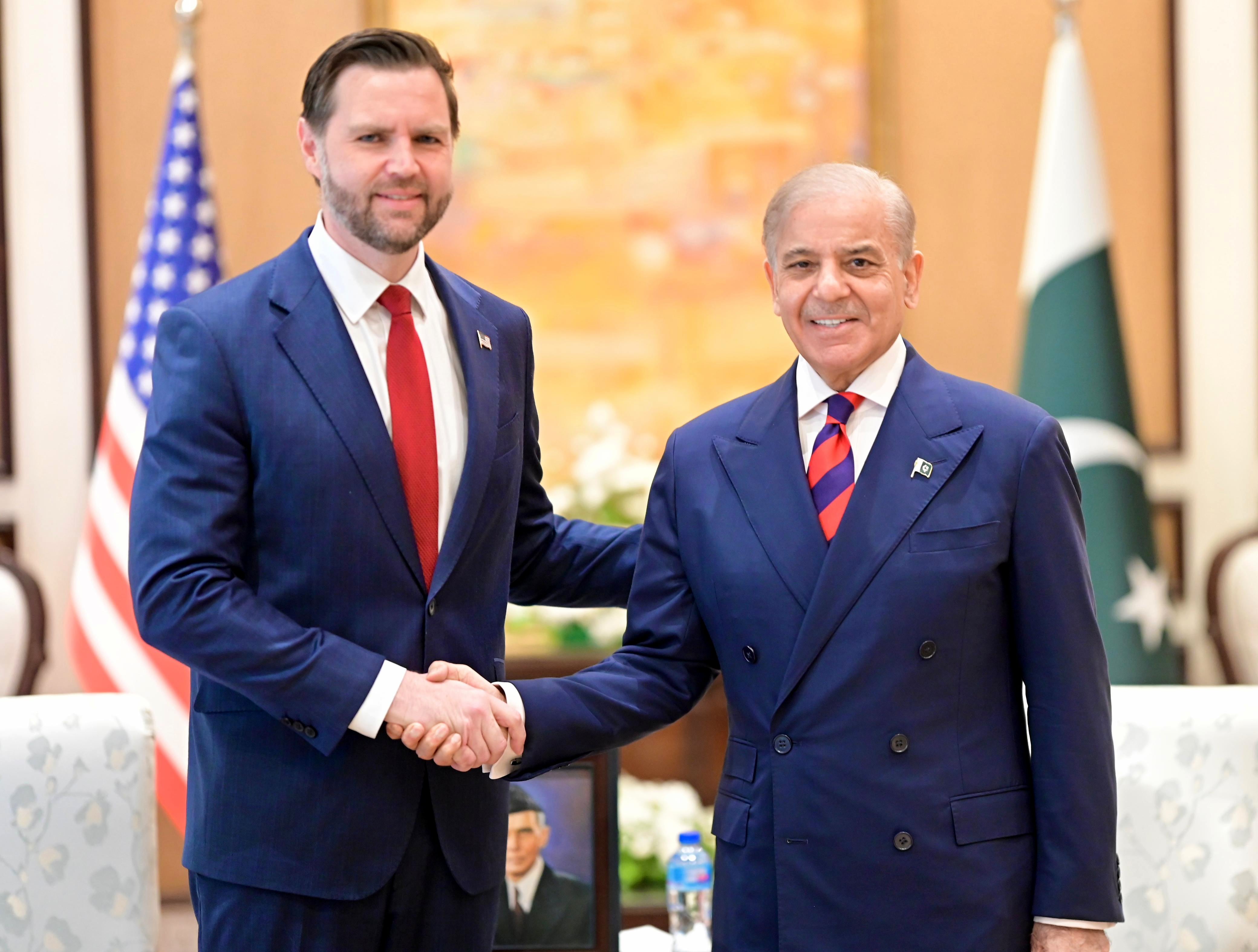
High-level peace talks between the United States and Iran have officially started in Islamabad, Pakistan. U.S. Vice President J.D. Vance and Iranian Parliament Speaker Mohamad Baqer Qalibaf are leading their respective teams to find a way to end the current war. While these negotiations offer a glimmer of hope, Iranian leaders have warned that the talks will fail if the U.S. focuses only on the interests of Israel. This meeting is a critical attempt to stabilize a region that has seen intense fighting and economic hardship over the past several months.
Main Impact
The start of these negotiations is the most significant diplomatic move since the conflict began. It signals that both Washington and Tehran are looking for an exit from the violence. However, the impact of these talks is being tested by ongoing violence on the ground. Even as the leaders met, military strikes continued in other areas, showing how hard it is to maintain a ceasefire. If these talks succeed, it could lead to a major shift in global security and a possible end to the heavy economic sanctions that have affected millions of people.
Key Details
What Happened
The delegations met in Islamabad, a neutral location chosen to host these sensitive discussions. Vice President J.D. Vance represents the American side, bringing the weight of the U.S. administration to the table. On the other side, Mohamad Baqer Qalibaf represents the Iranian government. The primary goal is to turn a temporary ceasefire into a lasting peace agreement. However, the atmosphere remains tense as both sides have set firm conditions before any final document can be signed.
Important Numbers and Facts
The human cost of the conflict remains high. Reports indicate that at least 13 people were killed in southern Lebanon due to recent Israeli military actions. These deaths occurred despite the existing ceasefire agreement between the U.S. and Iran. Iran has made it clear that they want two main things: the total lifting of economic sanctions and the expansion of the peace deal to include Lebanon. Without these two points, Iranian officials say they will not move forward with a permanent agreement.
Background and Context
The conflict between the United States, Israel, and Iran has been building for a long time. It involves complex issues like regional influence, military alliances, and economic control. For years, the U.S. has used sanctions to pressure Iran. These sanctions make it hard for Iran to sell oil or trade with other countries, which has hurt its economy. Iran, in turn, has supported various groups in the region that oppose Israel. This cycle of pressure and military action eventually led to the current war. Pakistan was chosen as the host for these talks because it maintains diplomatic ties with both sides and provides a safe place for high-ranking officials to meet.
Public or Industry Reaction
The reaction from Iranian leaders has been cautious and firm. Mohamad Reza Aref, the First Vice President of Iran, stated clearly that the world faces "greater consequences" if the negotiations do not treat all parties fairly. He warned that if the U.S. puts Israeli interests above everything else, there will be no deal. Meanwhile, international observers are watching closely. Many world leaders are calling for a quick resolution to prevent the war from spreading further. There is a general feeling of relief that the two sides are finally talking, but there is also a lot of doubt about whether they can actually agree on the difficult details.
What This Means Going Forward
The next few days in Islamabad will be vital. If the U.S. agrees to lift some sanctions, it could show Iran that the negotiations are serious. On the other hand, if the fighting in Lebanon continues to claim lives, Iran may walk away from the table. The biggest risk is a total breakdown in communication, which could lead to an even larger military conflict. For a real peace to happen, the deal must address the safety of Israel, the economic needs of Iran, and the protection of civilians in Lebanon. The world is waiting to see if J.D. Vance and Mohamad Baqer Qalibaf can find a middle ground.
Final Take
The meeting in Islamabad is a brave but fragile step toward ending a devastating war. While having the U.S. Vice President and the Iranian Parliament Speaker in the same room is a major achievement, the path to peace is blocked by deep-seated anger and ongoing violence. Success will require more than just talk; it will require both sides to make difficult compromises that they have avoided for years. The lives of thousands of people and the stability of the global economy depend on what happens behind these closed doors in Pakistan.
Frequently Asked Questions
Who is leading the peace talks in Islamabad?
The U.S. delegation is led by Vice President J.D. Vance, and the Iranian delegation is led by the Speaker of the Parliament, Mohamad Baqer Qalibaf.
What are Iran's main conditions for a peace deal?
Iran is demanding that the United States lift economic sanctions and that the current ceasefire be extended to include the territory of Lebanon.
Is the fighting still going on during the talks?
Yes, despite the negotiations and the ceasefire between the U.S. and Iran, Israeli strikes in southern Lebanon have recently killed at least 13 people.