Summary
Ukraine has issued a stark warning about a critical shortage of interceptor missiles after a massive Russian attack on the Kyiv region killed at least 18 people. President Volodymyr Zelensky reported that Sunday's assault involved 68 missiles and 351 strike drones, overwhelming Ukrainian air defenses. The attack highlights the urgent need for more Western military aid as Russia intensifies its aerial campaign.
Main Impact
The deadly attack on the Kyiv region has exposed a serious gap in Ukraine's air defense capabilities. With interceptor missiles running low, Ukraine cannot fully protect its cities and critical infrastructure from repeated Russian strikes. This shortage comes at a critical time, as Russia has stepped up its use of drones and missiles to target energy grids and residential areas. The human toll is rising, and the country's ability to defend itself is under growing strain.
Key Details
What Happened
On Sunday, Russia launched a coordinated attack on Ukraine, focusing heavily on the capital region. The assault combined cruise missiles, ballistic missiles, and a large number of drones. Ukrainian air defense systems managed to shoot down many of the incoming threats, but some got through. The strikes hit residential buildings, causing significant casualties and damage.
Important Numbers and Facts
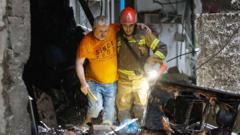
President Zelensky confirmed that the attack consisted of 68 missiles and 351 strike drones. At least 18 people were killed in the Kyiv region, with dozens more injured. Rescue teams worked through the night to search for survivors under the rubble. This is one of the largest single attacks on the capital area in recent months.
Background and Context
Ukraine has relied heavily on Western-supplied air defense systems, such as the Patriot and NASAMS, to protect its cities. However, these systems require a steady supply of interceptor missiles, which are expensive and limited in stock. Russia has been deliberately targeting Ukraine's energy infrastructure and population centers to weaken morale and disrupt daily life. The shortage of interceptors means Ukraine must prioritize which areas to defend, leaving some regions more vulnerable.
Public or Industry Reaction
Ukrainian officials have repeatedly called on Western allies to speed up deliveries of air defense systems and missiles. President Zelensky stated that "every delay in aid costs lives." International observers have expressed concern that Russia is testing Ukraine's defenses before a potential larger offensive. Local residents in Kyiv described the attack as terrifying, with many spending hours in shelters. The United Nations has condemned the strikes, calling them a violation of international law.
What This Means Going Forward
The interceptor missile shortage is a serious problem for Ukraine's defense strategy. Without a reliable supply, Ukraine may be forced to conserve missiles, leaving some areas less protected. This could allow Russia to cause more damage to the power grid as winter approaches. Western nations are under pressure to increase production and delivery of air defense systems. The situation also raises the risk of more civilian casualties if attacks continue at this scale.
Final Take
The deadly attack on Kyiv is a clear signal that Ukraine's air defense is stretched thin. The shortage of interceptor missiles is not just a military issue—it is a matter of life and death for civilians. The coming weeks will test how quickly Ukraine's allies can respond to this urgent need. Without faster support, the cost in human lives will likely keep rising.
Frequently Asked Questions
Why is Ukraine running out of interceptor missiles?
Ukraine uses advanced Western air defense systems that require specific interceptor missiles. These missiles are expensive and take time to produce. Russia has been launching large-scale attacks, using many drones and missiles to overwhelm defenses, which depletes Ukraine's stock quickly.
How does this shortage affect civilians?
When interceptor missiles run low, Ukraine cannot shoot down all incoming threats. This means more missiles and drones hit residential areas, causing more deaths, injuries, and damage to homes and infrastructure. Civilians face greater danger during attacks.
What can Western allies do to help?
Allies can speed up deliveries of air defense systems and interceptor missiles. They can also increase production capacity and provide financial support for Ukraine to purchase more equipment. Faster and larger shipments are critical to closing the defense gap.